Susan_Graham_Credit_Dario_Acosta * Notes * 
Yesterday in San Francisco, Philharmonia Baroque Orchestra performed the first of six performances celebrating Henry Purcell. The evening started with his "O Sing Unto the Lord a New Song," Chacony in G minor, "Hear My Prayer, O Lord," and the Suite from Abdelazer, or The Moor's Revenge. Conducted by Music Director Nicholas McGegan, the playing was buoyant. The Philharmonia Chorale, directed by Bruce Lamott, was also in fine form. Most of the soloists featured in the first half are members of the Chorale, with the exceptions of sopranos Cyndia Sieden and Céline Ricci. All sounded lovely, though Ricci did not clearly enunciate the words of "Lucinda is bewitching fair," in the Suite from Abdelazer.

The semi-staged Dido and Aeneas that came after the intermission was entirely gratifying. The orchestra was splendid and together, as was the chorale. Cyndia Sieden was sweet and bird-like as Belinda, and only had the slightest gasp during "Pursue thy Conquest, Love." Céline Ricci was a good vocal foil as the Second Woman, her voice being warmer but her coloratura more effortful. Ricci overacted and moved a great deal, even swaying her hips to the music. It was not very becoming, considering she had only a few lines by herself, but it was easy enough to ignore her. Sieden and Ricci were amusing as the two witches. Tenor Brian Thorsett also had two roles, as the Spirit in the likeness of Mercury at the end of Act II, and the First Sailor at the beginning of Act III. He was able to give very different characterizations for each.

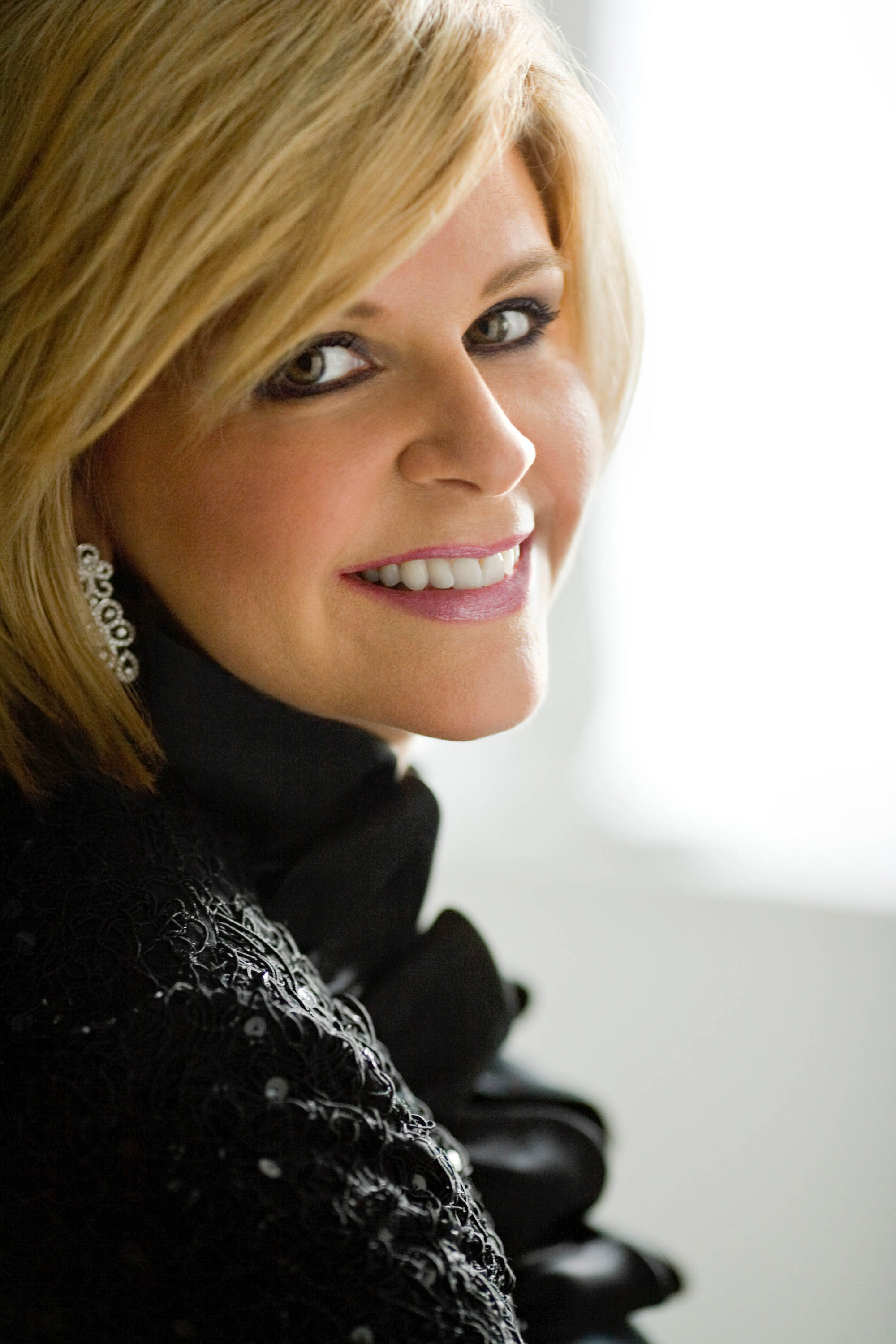
Jill Grove was an imperious Sorceress, her low notes were rich, but there was some strain and lack of smoothness in her higher register. Baritone William Berger (Aeneas) has a pleasant sound, and he held his own against the incredible Susan Graham (Dido). Their exchange in the last act was heartrending. Graham sang with a facile beauty, yet with a stately grace in keeping with the music.

* Tattling * 
They seemed to skip the chorus near the end of Act II, though the text was printed in the program. The audience was well-behaved, though I did hear one watch alarm near the end of the performance.

Posted in , , , , ,

8 responses to “Confess the Flame her Tongue Denyes”

  1. upstairs tenor Avatar
    upstairs tenor

    I attended the last rehearsal, in a very intimate church in Berkley. The set-up was literally three rows of folding chairs set up, then maybe fifteen feet where the singers performed, and then the orchestra. It was the most intimate opera I’ve ever attended, and one of the best.

    Like

  2. cedichou Avatar

    You did not hear that guy cough his lungs out at the balcony during Act II? It was so bad, the person behind him had to give him a cough drop to save the day. He was very thankful, but quite embarrassed. Also, he had a snoring person on his left, and an over-agitated guy with cramping legs on his right.

    Like

  3. The Opera Tattler Avatar

    I feel sorry for people who have to cough, I’m sure it is no fun, and one can’t really help it, unless one is actually ill and should stay at home. I did not hear him, but the coughing was probably muffled by being under the overhang.
    As for snoring, how sad. I don’t really understand, why even bother going?

    Like

  4. EBrown Avatar

    Susan Graham was wonderful. As were the chorale and McGegan. I found Ricci’s hamminess completely distracting; her effort might be better spent working on her diction. Other than that, I thoroughly enjoyed the evening.

    Like

  5. The Opera Tattler Avatar

    I avoided looking at Ms. Ricci, pretty as she is, because it was a bit painful to watch her. But she seemed pretty well-behaved at the Berkeley performance last night.

    Like

  6. jim Avatar
    jim

    That chorus in Act II which “seemed skipped” was listed in the program, since it’s in the libretto; however, no music exists for this. Apparently, the music sources for “Dido” are very few and sketchy–again, thanks to Maestro McGegan for his meticulous attention to the most current and historically-informed sources of PBO’s repertoire! It’s customary for PBO to print the full libretto as it appeared in the composer’s time, even if some of the music has been lost–or perhaps never written. Fortuately, it was a minor part of the drama. The orchestra also repeated an earlier dance movement in Act III where a “witches dance” appears in the libretto, yet no music score can be found.

    Like

  7. The Opera Tattler Avatar

    That’s very good to know, thank you!

    Like

Leave a reply to jim Cancel reply