• Sfopera-ciociara-final-sceneProduction Web Site | SF Opera’s Blog

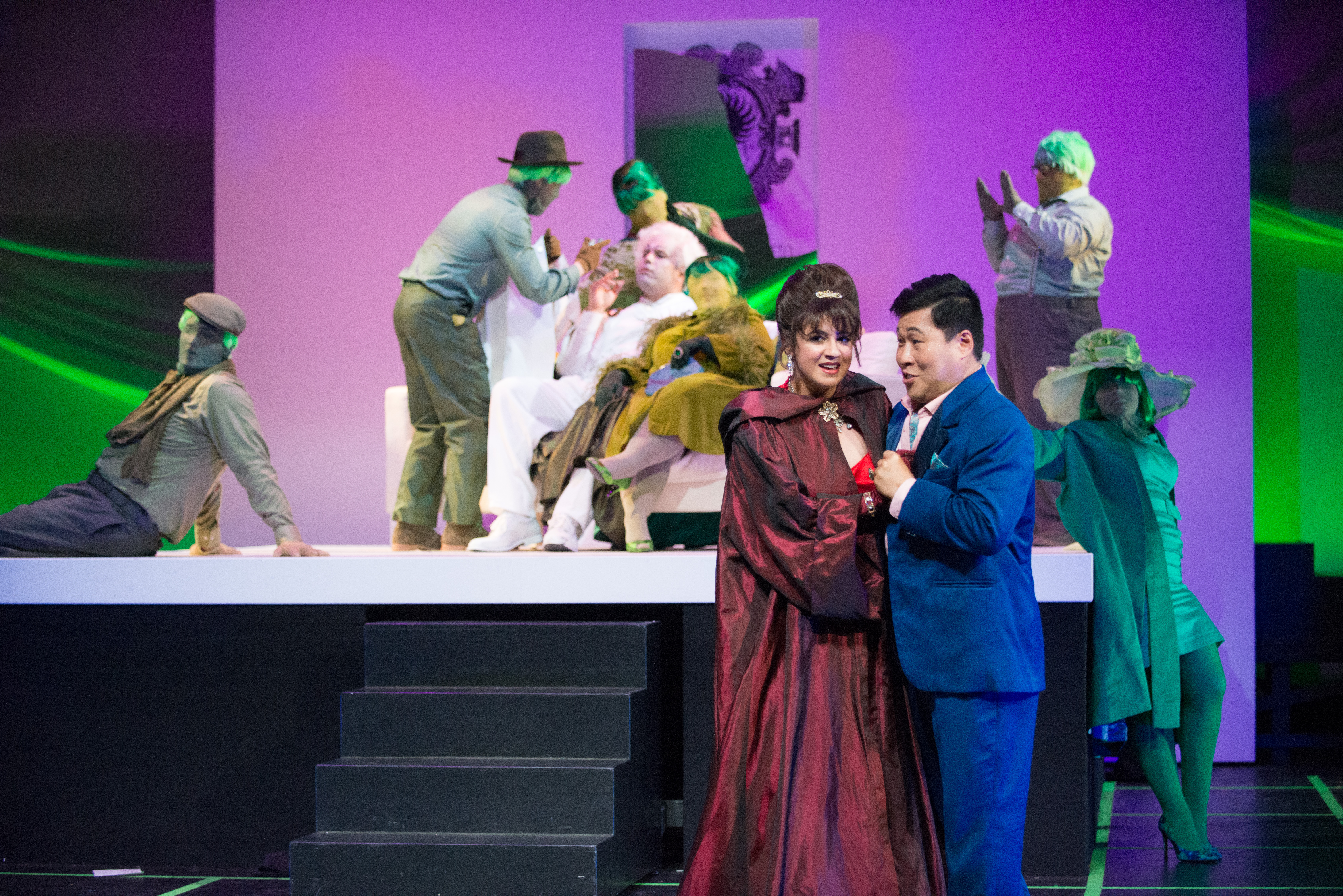
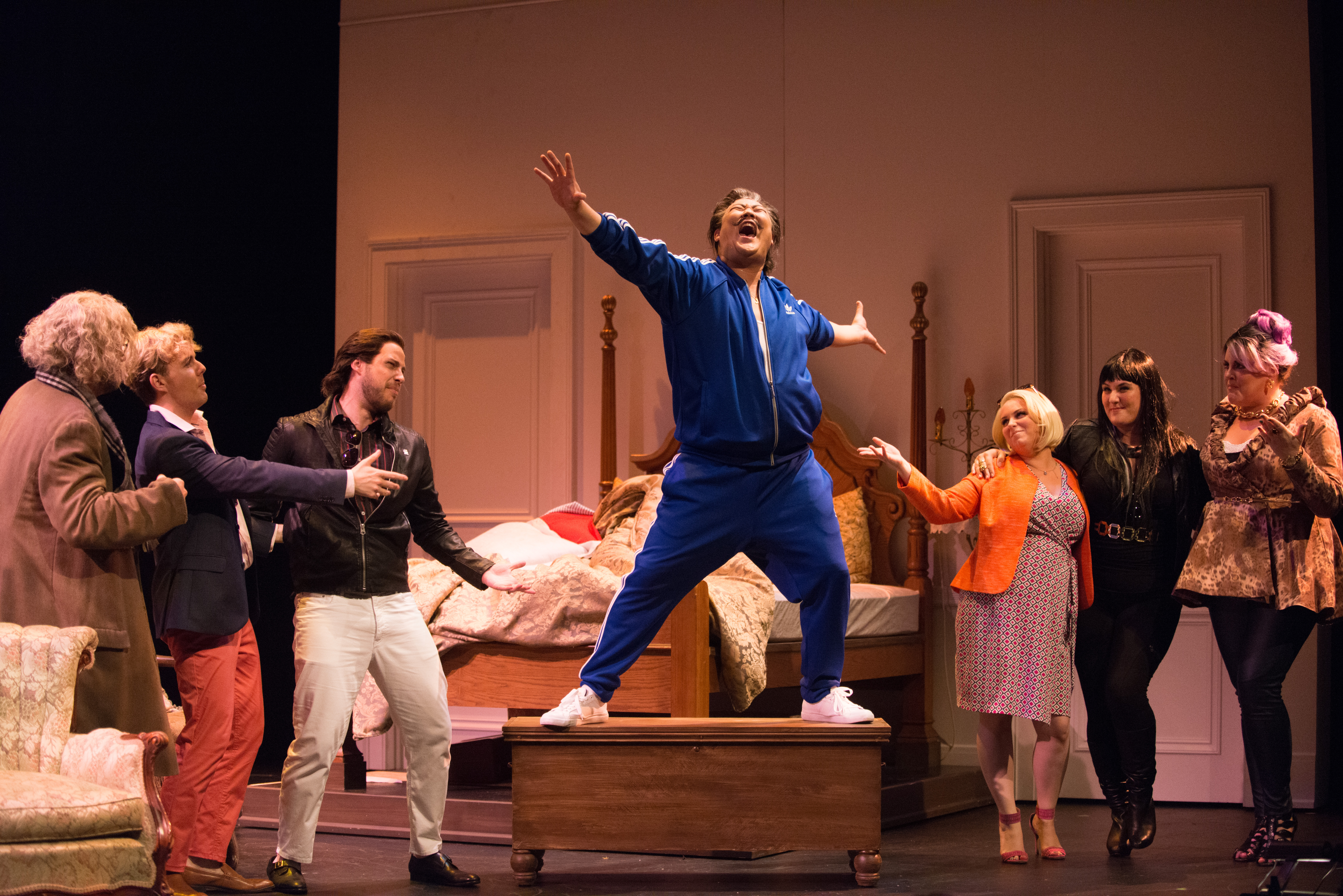
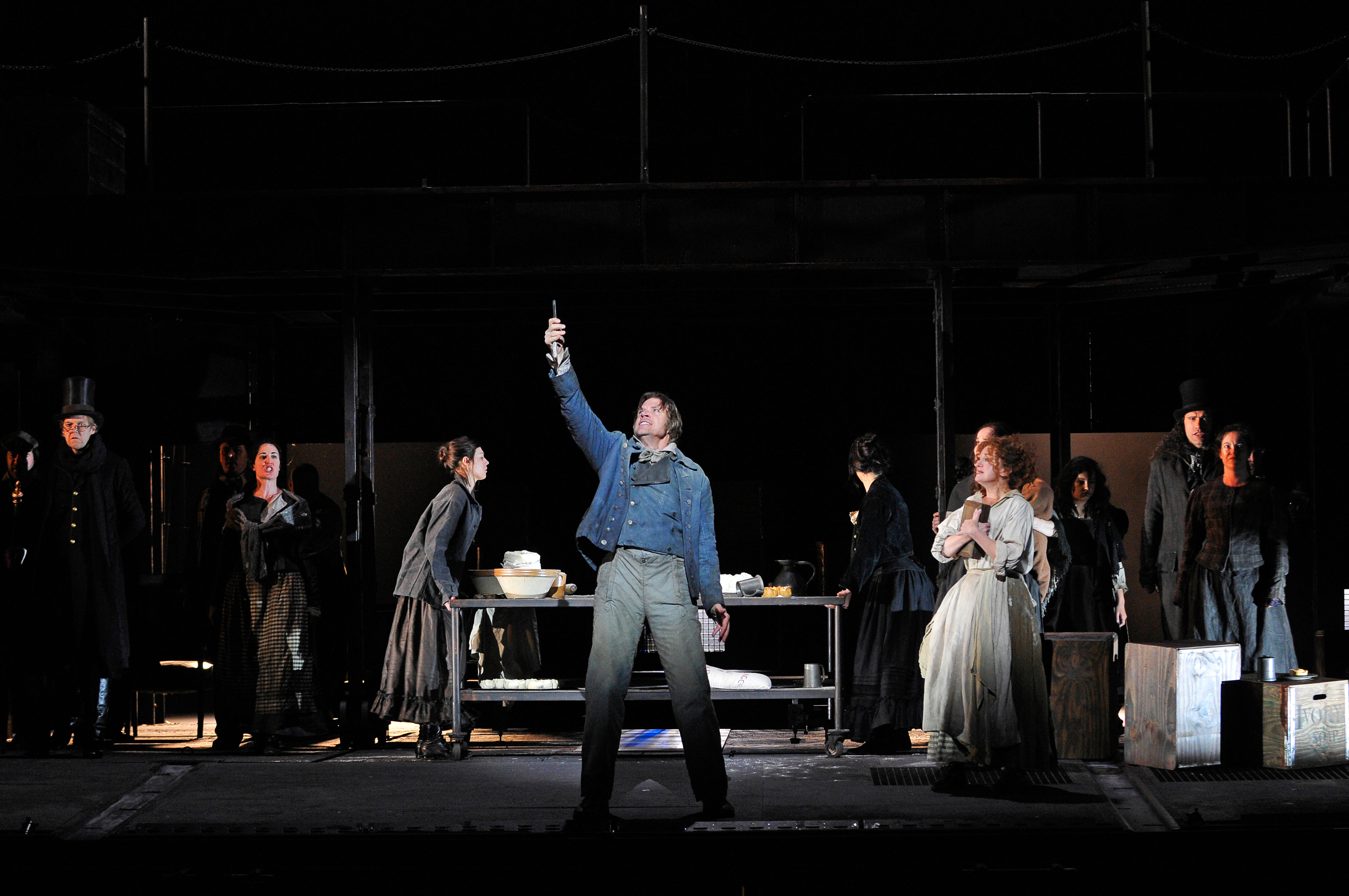
    Most of the reviews are decidedly negative for San Francisco Opera’s La Ciociara (Act II, Scene 3 pictured left, photograph by Cory Weaver).

    Reviews: San Francisco Chronicle | New York Times | Washington Post | San Francisco Examiner | San Jose Mercury News | San Francisco Classical Voice | Examiner.com | The Classical Review

    Leave a comment

  • Sf-opera-ciociara-2015-acti* Notes * 
    San Francisco Opera gave the world premiere of Two Women (La Ciociara) last night. The narrative is compelling. Marco Tutino's sweeping music has a cinematic feel and is pretty. The orchestra sounded engaged under the direction of Maestro Nicola Luisotti. The percussion was particularly gripping.

    All of the singing was strong. The chorus impressed. The two leads — mother and daughter — are the most nuanced of the cast and the contrast of the two sopranos in these roles is effective. Anna Caterina Antonacci is an intense Cesira, her anguish was palpable. Sarah Shafer's Rosetta is sweet and haunting. Yet her dissoluteness in Act II, Scene 3 is convincing.

    The other characters are less subtly drawn, the good are angelic, the bad are monsters. Tenor Dimitri Pittas is an idealistic, gentle Michele. He had some strain in his voice when he sang with the chorus in Act I, Scene 2, but otherwise he sang plaintively. Baritone Mark Delavan delighted in playing the evil Giovanni. Though his sound can be light, he is a persuasive villain.

    In the smaller parts, the Adlers did well. Mezzo-soprano Zanda Švēde was moving as Lena. Baritone Edward Nelson is completely plausible as John Buckley, the U.S. Air Force lieutenant saved by Michele.

    Francesca Zambello's production (Act II, Scene 2 pictured above, photograph by Cory Weaver) is attractive. The projections could be busy and garish, but more often helped further the story without being intrusive.

    * Tattling * 
    There was light whispering on the orchestra level at the start of most scenes. The audience was clearly moved by the piece and the standing ovation at the end was nearly immediate.

    Leave a comment

  • Sfopera-troyens-martens-2015* Notes * 
    Yesterday mezzo-soprano Michaela Martens (pictured left in Act II, photograph by Cory Weaver) sang Cassandra in San Francisco Opera's Les Troyens. She sings again on June 20, 2015. Martens has a lovely resonant voice with powerful low notes and searing high ones. Compared to soprano Anna Caterina Antonacci, with whom she shares the role, Martens is less raw and does not convey the same complete devastation. It is worth the effort to hear both singers, both are gratifying in different ways.

    It was a delight to hear Maestro Donald Runnicles conduct the orchestra again. The woodwinds had a gorgeous, velvety sound, the strings shimmered, and the brass was bright and fluid. The chorus was powerful and the rest of the singing was consistently impressive.

    * Tattling * 
    A woman in Box B whispered a lot during Act II. This might not have been noticed but her voice is high and squeaky, so I had to angle my chair in a way so I could focus on the orchestra.

    Leave a comment

  • 270215
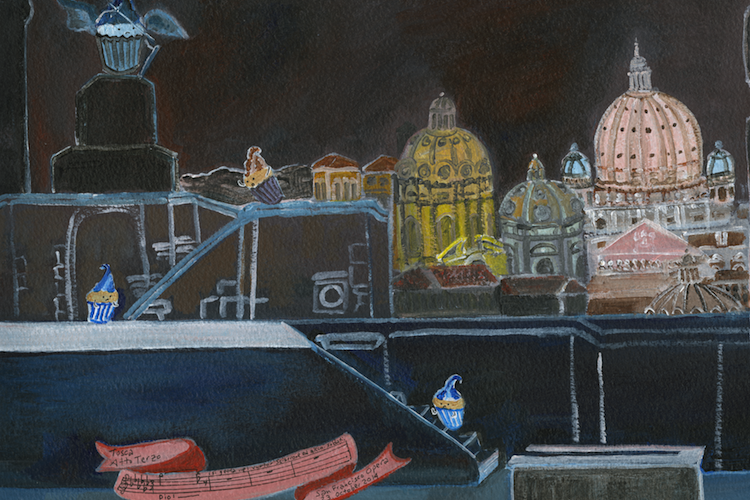
    In Act I, Scene 4 of Partenope, the rather shy Prince Armindo of Rhodes expresses his love for Queen Partenope, but she is, of course, not there to hear him.

    Details of Painting | Performance Review of Partenope

    Leave a comment

  • Troyens-act-2-sf-operaProduction Web Site | SF Opera’s Blog

    So far reviewers were impressed by Donald Runnicles and the San Francisco Opera Orchestra in Les Troyens (Act II pictured left, photograph by Cory Weaver).

    Reviews: San Francisco Chronicle | Los Angeles Times | San Francisco Examiner | San Francisco Classical Voice | San Jose Mercury News | Examiner.com | The Classical Review

    Leave a comment

  • Troyens-act-4-sf-opera-2015* Notes * 
    A new production of Les Troyens (Act IV pictured left, photograph by Cory Weaver) opened this afternoon at San Francisco Opera. The orchestra sounded absolutely gorgeous under the direction of Maestro Donald Runnicles. The playing was fluent and cohesive. The strings sounded lovely and the woodwinds were wonderful.

    The cast is magnificent. Soprano Anna Caterina Antonacci sounded utterly deranged as Cassandra and giving an effective, disturbing performance. Mezzo-soprano Susan Graham had great appeal as Dido, her creamy voice is not as fresh as before, but it seems appropriate for the role. Mezzo-soprano Sasha Cooke (Anna) is vital. Her voice shows no hint of strain or effort.

    Tenor Bryan Hymel made for a powerful Aeneas. His voice is bright and cuts through the orchestration. Baritone Brian Mulligan (Chorebus) sounded rich and warm. Tenor René Barbera (Iopas) sounded wonderful in his Act IV aria, as did tenor Chong Wang (Helenus, Hylas) in his Act V aria. The chorus was strong.

    David McVicar's production is not particularly coherent but does not interfere with the music. The set is enormous yet moves quietly. Acts I, II, and V could have been set at Burning Man. Acts III and IV look more like an Orientalist painting. The juxtaposition of these two aesthetics is odd, as were the different styles of dance used for each of the ballets.

    * Tattling * 
    The audience in the balcony was focused and quiet with the exception of a demonstrative, chatty couple sitting on one of the aisles in the the last row, house right. Thankfully it was easy enough to get away from them and they left after Act IV.

    Leave a comment

  • Charles-Dutoit-4x6* Notes *
    Charles Dutoit (pictured left) conducted San Francisco Symphony in its first performance of Ravel's L'Heure espagnole last night. The orchestra sounded elegant and the cast had a wonderful sense of comic timing in this concert version of the piece.

    Mezzo-soprano Isabel Leonard (Concepcion) has a vivid, smoky voice. She was able to convey hysteria in the edges of her voice that is suited to the role. Baritone Jean-Luc Ballestra sounded healthy and strong as Ramiro. One got the sense he enjoyed singing with the other principals and with the orchestra. Tenor Jean-Paul Fouchécourt was a bright-toned Torquemada, while tenor John Mark Ainsley's Gonzalve was light and funny. Likewise, baritone David Wilson-Johnson was a diverting, pompous Don Iñigo Gomez. The dry wit of this opera came through.

    The first half of the program began with Ravel's Alborado del gracioso. The short piece sparkled and shimmered. The bassoon sounded particularly beautiful. Pianist Javier Perianes was the soloist in Nights in the Gardens of Spain by Falla that followed. He often carefully watched Dutoit and did not play in an overly flamboyant manner. The piece often demands a strong percussive quality of the soloist and Perianes played these passages well.

    * Tattling *
    There was much giggling during L'Heure espagnole and even a few loud guffaws.

    Leave a comment

  • LeonardIsabel 3c (Becca Fay)Charles Dutoit is conducting San Francisco Symphony in a concert version of Ravel’s L’Heure espagnole from June 4 to 6, 2015. The cast includes mezzo-soprano Isabel Leonard (pictured left, photograph by Becca Fay) as Concepción, tenor Jean-Paul Fouchécourt as Torquemada, tenor John Mark Ainsley as Gonzalve, baritone Jean-Luc Ballestra as Ramiro, and baritone David Wilson-Johnson as Don Iñigo Gomez.

    The program also features Ravel’s Alborado del gracioso and Falla’s Nights in the Gardens of Spain.

    San Francisco Symphony

    Leave a comment

  • Wbo-faust-2015* Notes *
    My review of West Bay Opera's Faust is on San Francisco Classical Voice.

    * Tattling *
    There was light whispering during the first act. Watch alarms sounded at 9pm. Audience attrition was noticeable after each intermission.

    Leave a comment

  • 040215

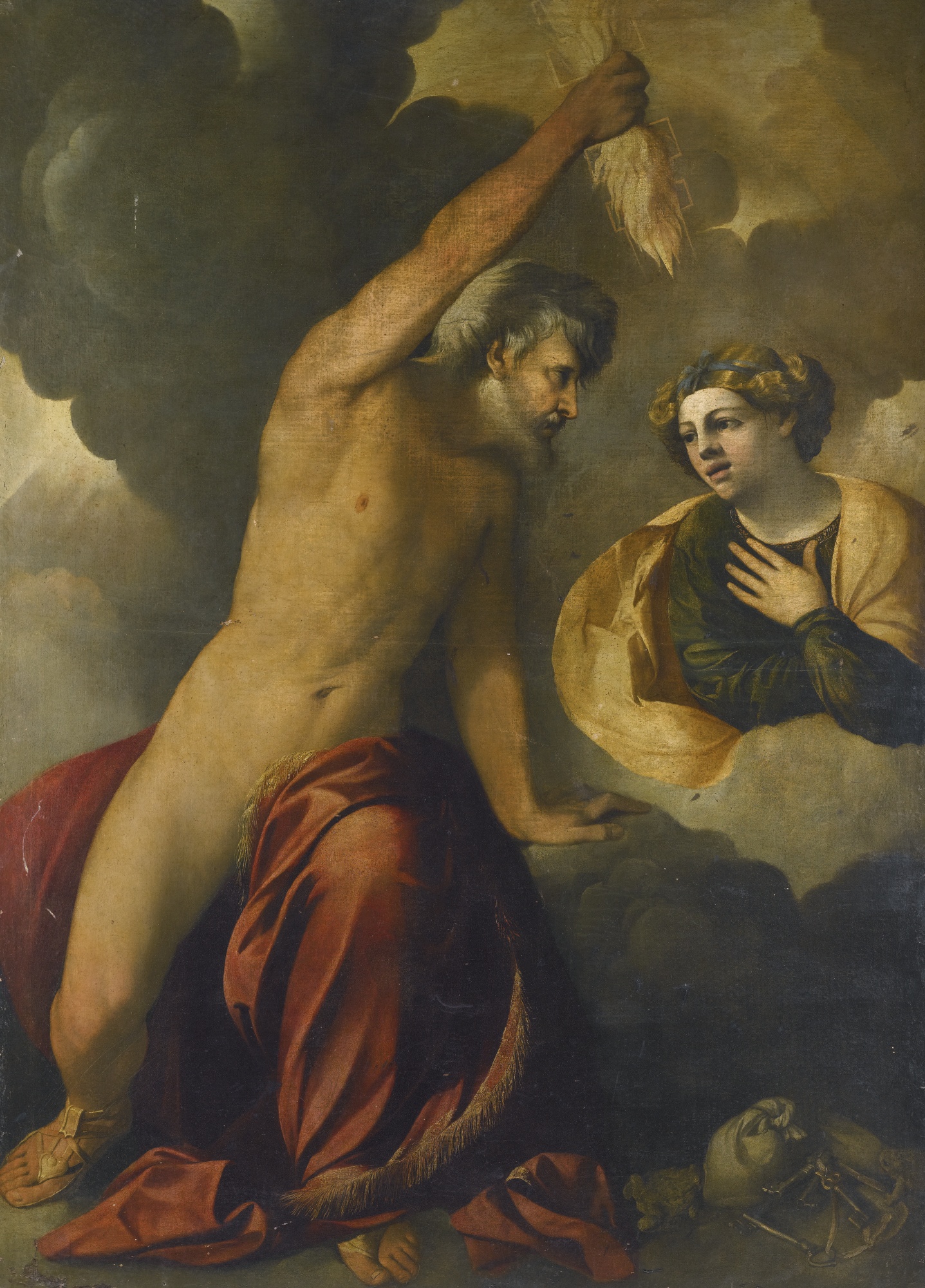
    In Act III, Scene 3 of Un ballo en maschera, the Swedish king Gustavus III has resolved to renounce his love for Amelia, the wife of his chief minister Anckarström.

    Details of Painting | Performance Reviews of Un ballo in maschera

    Leave a comment