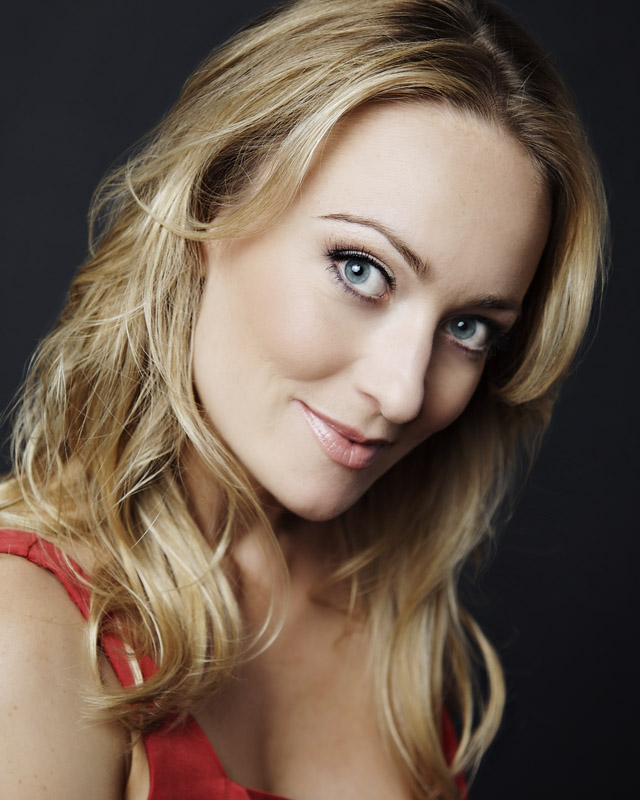
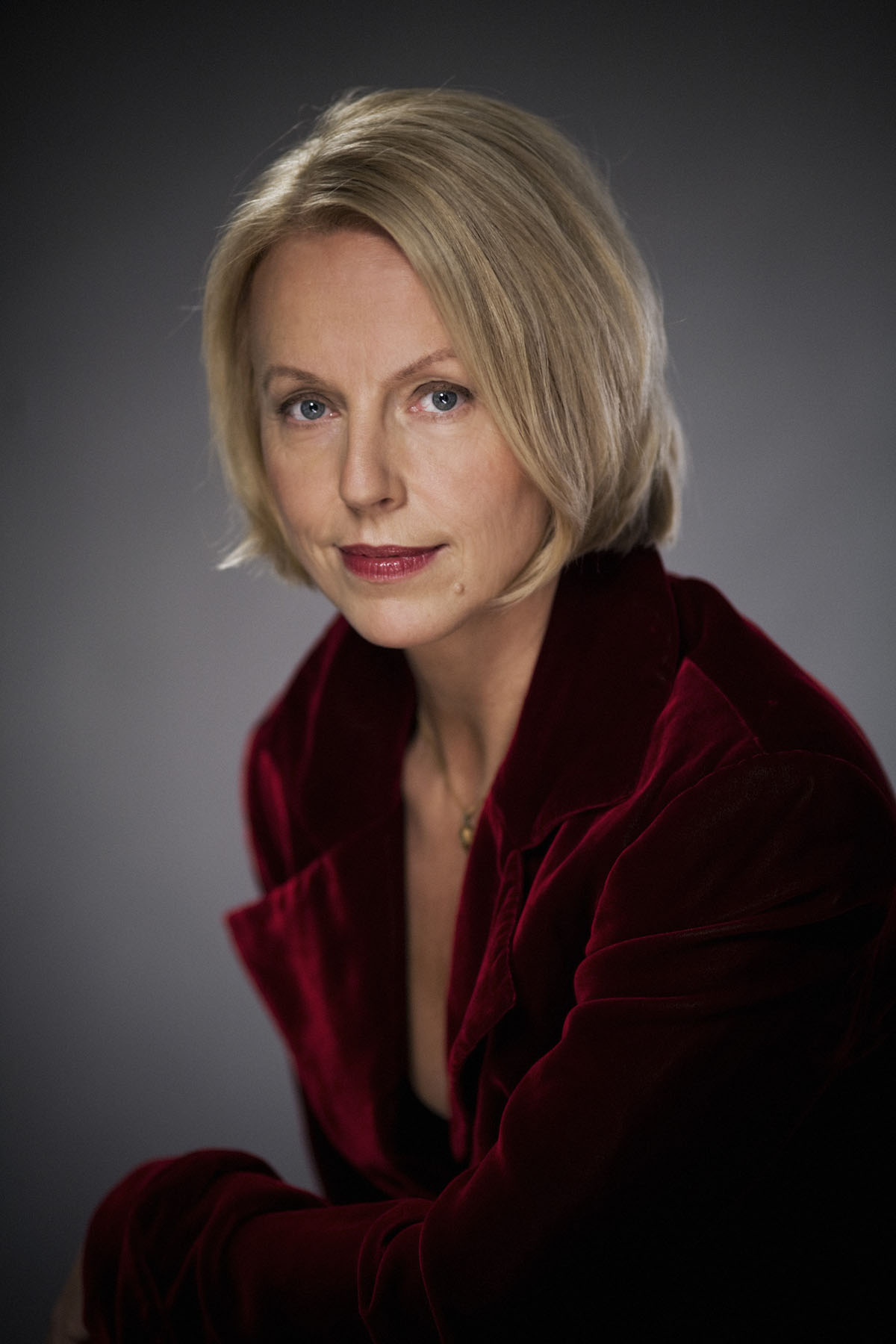
• Anne Sofie von Otter - photo credit Mats Backer * Notes * 
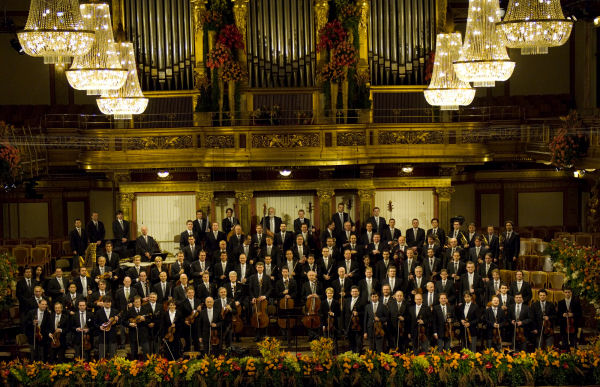
    This week San Francisco Symphony performs a lovely program of Hindemith, Stenhammer, Nielsen, Sibelius, Grieg, and Brahms. Before Michael Tilson Thomas conducted Hindemith’s Concert Music for String Orchestra and Brass on Thursday night, he addressed the audience, saying the program notes, while good, did not convey how much joy there was in playing it. He also did an impression of Leonard Bernstein. The piece was played with vigor but prettiness. The end of the first part had a nice expansiveness without being overwhelming as far as volume. The principal trombone played particularly well in the slow section of Part II. The big soloist of the evening was mezzo-soprano Anne Sofie von Otter, who joined San Francisco Symphony in a sampling of Scandinavian songs. The texts were mostly in Swedish, but there were ones in Danish, Norwegian, and Finnish too. Von Otter has a pure, lucid sound. She did seem at times a bit ahead of the orchestra. The sustained notes of Grieg’s En Svane were beautiful, as was the illusory Var det en dröm? that ended the set. Von Otter gave a delightful encore of Wilhelm Peterson-Berger’s Aspåkers-polska. The second half of the performance was devoted to Brahms’ Serenade No. 1 in D Major. The playing was pleasant, though the horn had a couple painful notes in the first movement. The brass did sound nice in the second Scherzo. The clarinet and oboe were exceptionally winsome in this piece.

    * Tattling * 
    A watch alarm rang throughout MTT’s talk before Hindemith. The audience was exceedingly silent during the songs. There was whispering during Brahms, and applause between the last two movements.

    Leave a comment

  • Adler Fellows, photo by Scott Grieder * Program *
    "Je suis encore toute étourdie" from Manon
    Sara Gartland, soprano and David Hanlon, piano

    "Quando me'n vo" from La bohème
    Sara Gartland, soprano and David Hanlon, piano

    "Aprite un po' quegli occhi" from Le Nozze di Figaro
    Ao Li, baritone and David Hanlon, piano

    "O du mein holder Abendstern" from Tannhäuser
    Ao Li, baritone and David Hanlon, piano

    "Mon cœur s'ouvre à ta voix" from Samson et Dalila
    Maya Lahyani, mezzo-soprano and David Hanlon, piano

    "O mio Fernando" from La Favorita
    Maya Lahyani, mezzo-soprano and David Hanlon, piano

    * Notes *
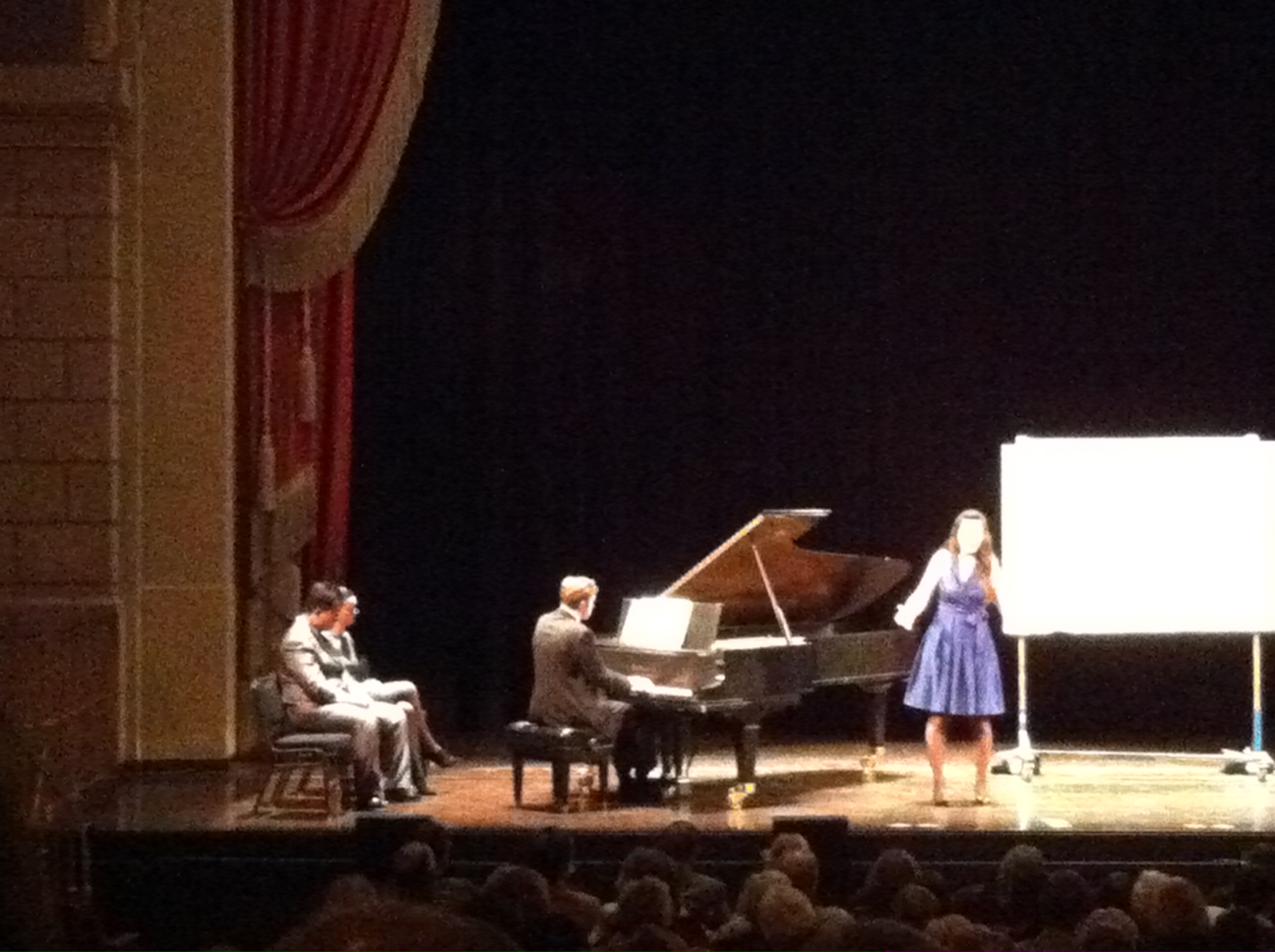
    San Francisco Opera Center Director Sheri Greenawald and San Francisco Opera Center Director of Musical Studies Mark Morash held an event (pictured above, photo by Scott Grieder) about how they cast and program the Merola Opera Program's Schwabacher Summer Concert. We got to hear three mock auditions given by current Adler Fellows Sara Gartland, Ao Li, and Maya Lahyani. Gartland sang "Je suis encore toute étourdie" with a lovely vulnerability. Greenawald and Morash noted the easy top of her voice and the quality of the passaggio. Gartland is a very fine actress, and this came out in her flirty "Musetta's Waltz."

    Next came Ao Li, who sang Figaro's Act IV aria with beauty. Greenawald remarked that Li has a giant head, which is good for Wagner, and praised him for his legato and the gorgeous line of his voice. Li also sang Wolfram's moving aria from Act III of Tannhäuser.

    Our last performer was the fiery Maya Lahyani, who started with Dalila's famous aria. Greenawald and Morash agreed she is a real mezzo and that she would not be singing Rosina or Cenerentola. Lahyani was compared to Tatiana Troyanos and was told she is a riveting actor, so perhaps she would be good for Baroque pieces. Lahyani also sang "O mio Fernando" with great feeling.

    Greenawald and Morash picked 3 phantom singers to cast with, these being David Lomelí, Alek Shrader, and Ryan Kuster. From this they constructed a 60-70 minute program of scenes from Don Giovanni, Le Comte Ory, Il Puritani, The Rake's Progress, and La Favorita.

    * Tattling *
    Greenawald and Morash debated on the proper spelling of "Anne Trulove." As for the audience, man were quite engaged in the lively proceedings. There were some that were slightly restless, a few cellular phones rang, and a few left early.

    Leave a comment

  • Mehtazubin * Notes * 
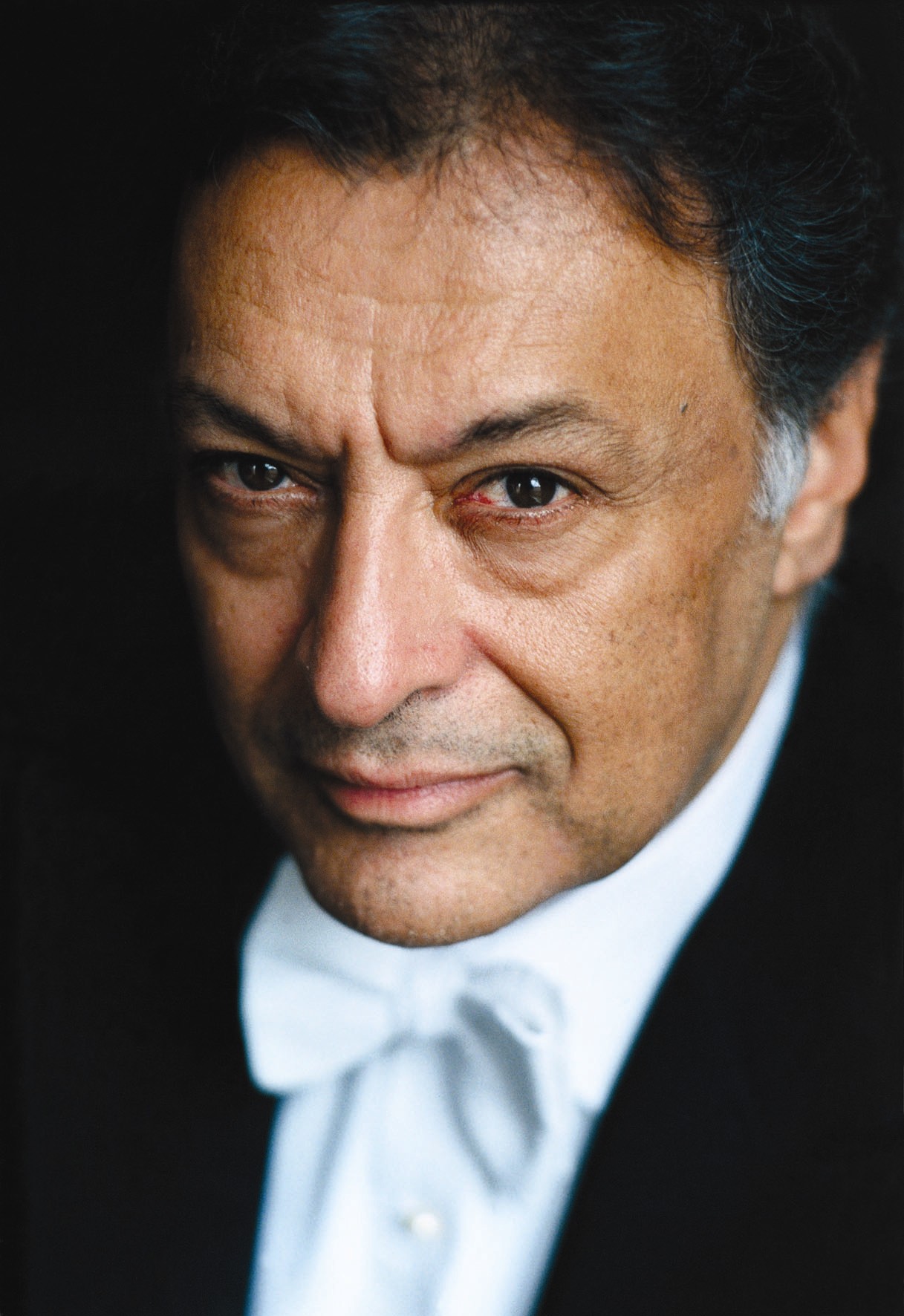
    Maestro Zubin Mehta and the Israel Philharmonic Orchestra are currently on tour in the United States. Monday night’s confounding performance in San Francisco included a program of Beethoven, Webern, and Schubert. The evening started with a rendition of “The Star-Spangled Banner,” followed by “Hatikvah.” Then came the Leonore Overture No. 3. The string players sawed their instruments without drama. The brass was both hazy and blaring, and the playing of the off-stage trumpet lacked a sense of salvation. The Webern Passacaglia and Six Pieces for Orchestra were were not particularly subtle, but the “Very slow” fifth piece had some appeal. Schubert’s Symphony in C Major, The Great was nearly devoid of beauty. One of the French horns had a nice moment. The woodwinds, on the other hand, were not in tune with each other, and some odd sounds emerged from their section. The encore was a bluntly played overture from Die Fledermaus, which Mehta dedicated to Josef Krips.

    * Tattling * 
    The audience was extremely enthusiastic, but many talked throughout the performance. A few cell phones were heard. The orchestra received a standing ovation.

    The next day I was asked why there were protesters outside of Davies.

    Leave a comment

  • September 7 2011: Gala with Lang Lang, piano and Itzhak Perlman, violin
    September 14-17 2011: MTT conducts Beethoven, Hindemith, Brahms; Yo-Yo Ma, cello
    September 21-25 2011: MTT conducts Mahler’s 3rd
    September 29- October 1 2011: Mozart, Adès, Stravinsky
    October 5-9 2011: Shostakovich, Glazunov, Tchaikovsky, Elgar; Joshua Bell, violin
    October 13-16 2011: Conlon conducts Shostakovich, Mussorgsky/Ravel
    October 19-22 2010: Luisi conducts Verdi Requiem
    October 23 2011: LA Phil plays Adams, Chapela, Prokofiev
    October 24 2011: Adams, Stravinsky, Berlioz
    October 27-29 2011: Gilbert conducts Beethoven, Dutilleux, Haydn
    October 31 2011: Phantom of the Opera (1925 film)
    November 2-4 2011: Bychkov conducts Strauss, Schumann
    November 5 2011: Día de los Muertos Concert
    November 6 2011: SF Symphony Youth Orchestra
    November 6 2011: Chamber Music at Davies
    November 6 2011: Joshua Bell, violin
    November 11-13 2011: MTT conducts Schubert
    November 17-21 2011: MTT conducts Gubaidulina, Brahms; Jane Archibald, soprano
    November 23-26 2011: MTT conducts Wagner, Brahms; Gil Shaham, violin
    December 6 2011: Boston Symphony Orchestra plays Berlioz, Mozart, Carter, Bartók
    December 7 2011: Boston Symphony Orchestra plays Harbison, Ravel, Mahler
    December 8-10 2011: Salonen conducts Sibelius, Salonen, Wagner; Leila Josefowicz, violin
    December 10-11 2011: Cabrera conducts Peter and the Wolf
    December 11 2011: Chamber Music at the Legion of Honor
    December 16-18 2011: Messiah
    December 31 2011: New Year’s Eve Masquerade Ball
    January 5-8 2012: MTT conducts Liszt, Ligeti, Tchaikovsky; Christian Tetzlaff, violin
    January 12-14 2012: MTT conducts Janáček, Debussy
    January 15 2012: Cabrera conducts the Bay Area Youth Orchestra Festival
    January 19-22 2012: Heras-Casado conducts Stravinsky, Ravel, Dallapiccola, Falla; Khatia Buniatishvili, piano
    January 22 2012: Paul Jacobs, organ
    January 25-29 2012: Zukerman conducts Mozart, Hindemith
    February 2-14 2012: Blomstedt conducts Mozart, Tchaikovsky
    February 5 2012: Chamber Music at Davies
    February 8-10 2012: Blomstedt conducts Bruckner
    February 11 2012: Chinese New Year Concert
    February 12 2012: Chamber Music at the Legion of Honor
    February 14 2012: Chicago Symphony Orchestra plays Honegger, Bates, Franck
    February 15 2012: Chicago Symphony Orchestra plays Schubert, Clyne
    February 16-19 2012: de Waart conducts Schreker, Rachmaninoff, Saint-Saëns
    February 23-25 2012: Alessandrini conducts Haydn, Mozart
    March 1-3 2012: Dutoit conducts Stravinsky, Tchaikovsky,  Bartók
    March 4 2012: Isabelle Demers, organ
    March 8-9 2012: MTT conducts Copland, Harrison, Ives
    March 10-14 2012: MTT conducts Foss, Cowell, Cage
    March 15-17 2012: MTT conducts Bates, Adams, Feldman, Varese
    March 18 2012: Chamber Music in Davies
    March 25 2012: Cabrera conducts SF Symphony Youth Orchestra
    April 1 2012: Christopher Houlihan, organ
    April 11-14 2012: Perlman conducts Vivaldi,Tchaikovsky
    April 15 2012: Chamber Music at the Legion of Honor
    April 15 2012: Cleveland Orchestra plays Mendelssohn, Saariaho, Shostakovich
    April 16 2012: Cleveland Orchestra plays Beethoven, Adès, Smetana
    April 19-22 2012: Deneve conducts Roussel, Saint-Saëns, Stravinsky; Thibaudet, piano
    April 27-28 2012: Malkki conducts Grisey, Prokofiev, Sibelius; Gutierrez, piano
    April 29 2012: Chamber Music at Davies
    April 29 2012: Academy of St. Martin in the Fields plays Beethoven; Joshua Bell, violin
    May 1-5 2012: Glover conducts Handel, Bach
    May 2-5 2012: Bach, Handel; Barantschik, violin
    May 10-12 2012: MTT conducts Barbary Coast and Beyond
    May 13 2012: NY Phil plays Berlioz, Lindberg, Tchaikovsky
    May 14 2012: NY Phil plays Dvořák , Bartók, Debussy, Ravel
    May 16-29 2012: MTT conducts Mahler, Schnittke, Beethoven
    May 20 2012: SF Symphony Youth Orchestra
    May 24-27 2012: Vänskä conducts Aho, Prokofiev, Shostakovich; Hilary Hahn, violin
    May 31- June 3 2012: Robertson conducts Britten, Dvořák ; Dawn Upshaw, soprano
    June 2 2012: Black and White Ball
    June 9 2012: Philadelphia Orchestra plays Hindemith, Ravel, Shostakovich
    June 10 2012: Philadelphia Orchestra plays Ranjbaran, Rachmaninoff, Debussy, Scriabin
    June 14-17 2012: MTT conducts Faure, Sibelius, Rachmaninoff; Yuja Wang, piano
    June 21-23 2012: MTT conducts Lizst, Bartók; Michelle DeYoung, mezzo-soprano
    June 24 2012: Chamber Music at Davies
    June 27-30 2012: MTT conducts Schoenberg, Beethoven; Erin Wall, soprano

    The San Francisco Symphony announced the 2011-2012 season today. Jessye Norman, Dawn Upshaw, Michelle DeYoung, and Erin Wall sing. Guest conductors include James Conlon, Esa-Pekka Salonen, and Osmo Vänskä.

    Press Kit | Official Site
    Leave a comment

  • American_Bach_Soloist_1 * Notes *
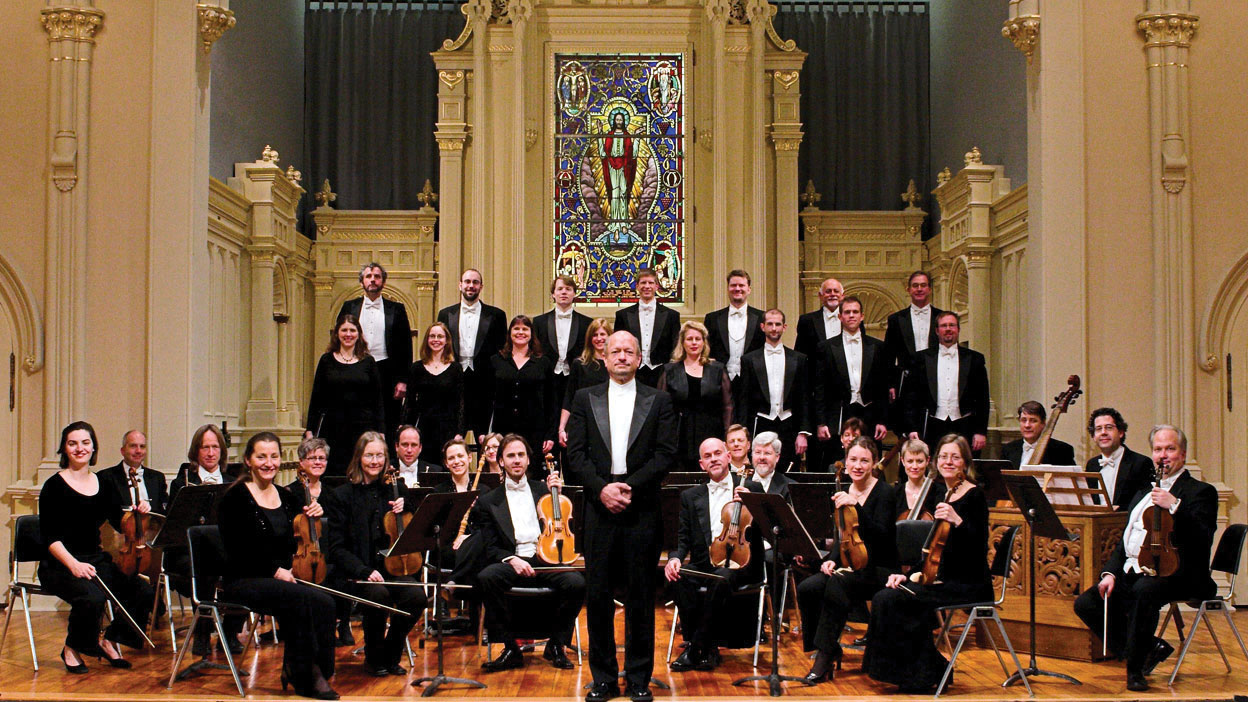
    The American Bach Soloists performed four odes for the “royal women of Britannia” yesterday evening in San Francisco. The first two works were from Purcell, and both for Queen Mary, namely Now Does the Glorious Day Appear and Come, ye Sons of Art. Both orchestra and chorus sounded neat and square under Jeffrey Thomas, and the only discernable error was a small squeak of the oboe during the soprano solo in the second piece. The soloists were all pleasant, Aaron Sheehan (tenor) and Clifton Massey (countertenor) were especially expansive and pleasing in sound. Countertenor Jay Carter did a fine job of stepping in at the last moment for an ailing Ian Howell.

    The second half of the program consisted of two Händel pieces, the first a Te Deum for Queen Caroline, the second the birthday ode for Queen Anne, Eternal Source of Light Divine. The trumpet was impressively in tune for the Te Deum. The chorus and orchestra were very much together, and never overwhelmed the soloists.

    * Tattling *
    The audience was quiet. In between the first two pieces the person behind us in Row D politely asked Axel Feldheim to move over one inch so that he could see.

    Leave a comment

  • Orphee5966 * Notes *
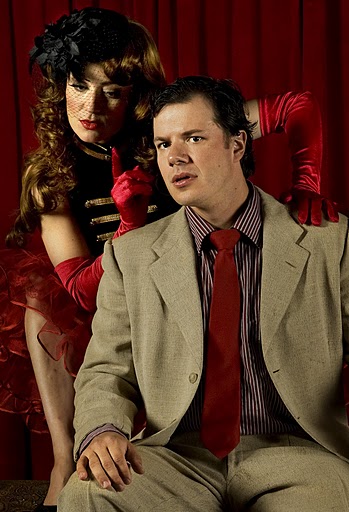
    Philip GlassOrphée was performed impressively by Ensemble Parallèle last night in San Francisco. The 14 musicians sounded lush but clean under Maestra Nicole Paiement. Brian Staufenbiel‘s production involved rather stunning circus art, including Roue Cyr, aerialism, and juggling. However, the video art, especially in the beginning, did not quite work, and people even laughed at the repetition in the introduction. It was used sparingly, and the pleasing retro circus feel was certainly attractive. The vision was carried through all the way from start to finish and the acting was convincing from all sides.

    The singing was all very strong. Aglaonice, sung by Brooke Muñoz, sounded sweet. Austin Kness sounded robust in his two roles as a policeman and commissaire. Thomas Glenn was haunting particularly as Cégeste, also singing the role of the Reporter. Philip Skinner (Poet/Judge) was threatening, as was appropriate. Susannah Biller was a characteristically brilliant Euridice. John Duykers (Heurtebise) sang with tenderness, and Marnie Breckenridge (the Princess) was alluring. Breckenridge sounded icy and pure. In the title role, Eugene Brancoveanu was most awe-inspiring, his voice is hearty and sympathetic.

    * Tattling * 
    The audience was fairly well-behaved, but for some reason, the circus artists brought out the worst in them. The women in G 111 and 112 of the orchestra level could not stop talking during Act II, and one of them insisted on clapping and screaming for the aerealist despite the music.

    Leave a comment

  • Vienna-phil * Notes * 
    The Vienna Philharmonic's latest tour with Semyon Bychkov started in Cologne, has 5 stops in California, and ends in Toronto. Last night's performance at Cal Performances in Berkeley was the first of three different concerts here.

    The evening began with Schubert's Symphony No. 2 in B-flat major. The sound was fastidious yet with much warmth and sweetness. The tempi changes were clear, and each of the movements were rendered transparently. The two parts of the first movement were distinct and had so much energy, the audience could be contained from clapping. The first three variations of the Andante lilted, while the fourth and fifth ones were more restrained, then the coda lilted yet again. The Menuetto danced, and the Presto vivace was robust.

    After an intermission we heard Wagner's Prelude and Liebestod from Tristan und Isolde. The playing was taut and ominious. The brass sounded lucid, the strings shimmered. This was followed by Béla Bartók's Suite from A csodálatos mandarin. The dense, chaotic work was played colorfully, but with control. The fugue was particularly brilliant.

    * Tattling * 
    The people around me were rather chatty before the performance and during the intermission. The man to my right got a lecture about the Vienna Philharmonic and the program notes were even read to him. He did listen to the performance in rapt silence. The person behind me happened to be a physics student writing for the Daily Cal, said writer was interograted extensively by a woman seated in H 6 of the orchestra. Everyone managed to be quiet during the music, except H 6's companion, who felt it necessary to exclaim during Bartók. He took my hushing of him well, and did not speak again.

    Leave a comment

  • Breckenridge This weekend soprano Marnie Breckenridge (pictured left) will be singing the role of the Princess in Ensemble Parallèle‘s production of Orphée by Philip Glass. She will be singing in The Rape of Lucretia with Castleton Opera, which will be presented by Cal Performances in Berkeley next month. Last week, the Opera Tattler met with her in a practice room of the San Francisco Conservatory of Music between rehearsals.

    You attended San Francisco Conservatory of Music, so welcome back! Are you from California?
    Yes, though the Conservatory was on Ortega Street then. I grew up in Claremont, California, lived in San Francisco and Napa, but now I live in New York.

    I see you have sung in English quite a bit, such as in Love and Other Demons, Candide, and The Rape of Lucretia. Orphée of course is in French, what are the challenges of not singing in your native language?
    French was the first foreign language I studied, before I knew I was going to be an opera singer. It does feel different in the body than English.

    How did you get the role of the Princess?
    I was already singing with Nicole Paiement for the BluePrint Series, so Brian Staufenbiel asked me to audition for the Glass. I sang Juliette’s Waltz, and I got the part. I’ve never sung Glass before but I’m absolutely loving the challenge.

    I’ve seen some of the previews, and the production looks very exciting. Your character looks like a ringmaster in the videos that have been shown. Where have you been rehearsing?
    We’ve been here at the conservatory, and rehearsing at a circus school too. We don’t get into Herbst until the Wednesday before the opening. The performers in this production are incredible. The Roue Cyr artist, aerialist, and juggler are as much a part of this opera as the singers.

    What was your first opera?
    The first opera I sang in was Così fan tutte, and I was Despina.

    Favorite opera?
    I love all of Janáček’s operas. Wozzeck and Der Rosenkavalier are also favorites.

    Dream role?
    Norma! I will probably never sing it, but I do sing it in the shower.

    Who do you look up to?
    The list is very long, and also, in a way, very short. Renée Fleming is amazingly consistent, and a nice person too. I admire Anna Netrebko, Angela Gheorghiu, Barbara Bonney, Kathleen Battle, but my all-time favorite is Leontyne Price.

    How do you feel about live simulcasts?
    As far as exposing opera to more people, it is really great. However, opera is a live art form, and you feel all the vibrations physically, so simulcasts do not recreate a full experience of it.

    Do you feel pressure to be able to move and act well?
    I have always been physically active, I danced ballet, jazz, and did gymnastics before deciding to become an opera singer. I’ve also acted, I was in ACT’s summer training program. So I am coming to this from the other side, I’ve had to figure out how to move less! So I haven’t felt that pressure.

    Are there musicians in your family?
    My mother plays piano, she also sang, and played organ at church.

    Do you play an instrument?
    I play piano. I played flute in band, but I didn’t like the freezy brain feeling it give you.

    What are your hobbies and interests?
    I am interested improv, my husband is in a troupe. I go to art museums. I especially enjoy Monet, Manet, and Delacroix, but I also love trying to figure out more abstract paintings, like those of Jackson Pollock.

    Leave a comment

  • Rothko-chapel * Notes * 
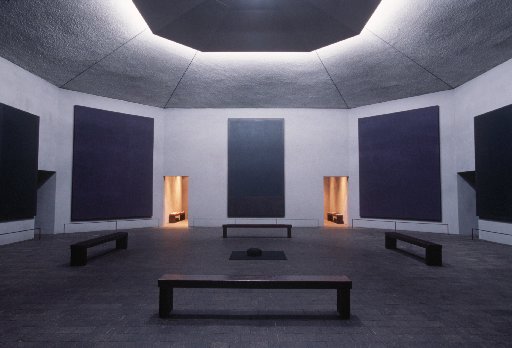
    This week San Francisco Symphony performs a contemplative program of Urbaitis, Feldman, and Mozart. Ragnar Bohlin conducted the San Francisco Symphony Chorus in Mindaugas Urbaitis' Lacrimosa, an inoffensive, pretty piece, which was sung with beauty. Before Michael Tilson Thomas conducted Morton Feldman's Rothko Chapel, he addressed the audience, and did an impression of the late composer. The piece itself is pensive, the chorus made for a humming cloud to support the percussion, celesta, and viola solist Jonathan Vinocour. The latter played thoughtfully and with warmth. He walked about the stage silently in stocking feet, from one of the five music stands to another. Most of the audience seemed to be there for Mozart's Requiem, which was sung and played perfectly well. The chorus was strong, the orchestra clear, and the soloists blended nicely. Mezzo-soprano Sasha Cooke sang with particular loveliness.

    * Tattling * 
    The audience on in the Loge was silent. At least one person was looking at her phone during the Feldman.

    Leave a comment

  • La-opera-turco * Notes *
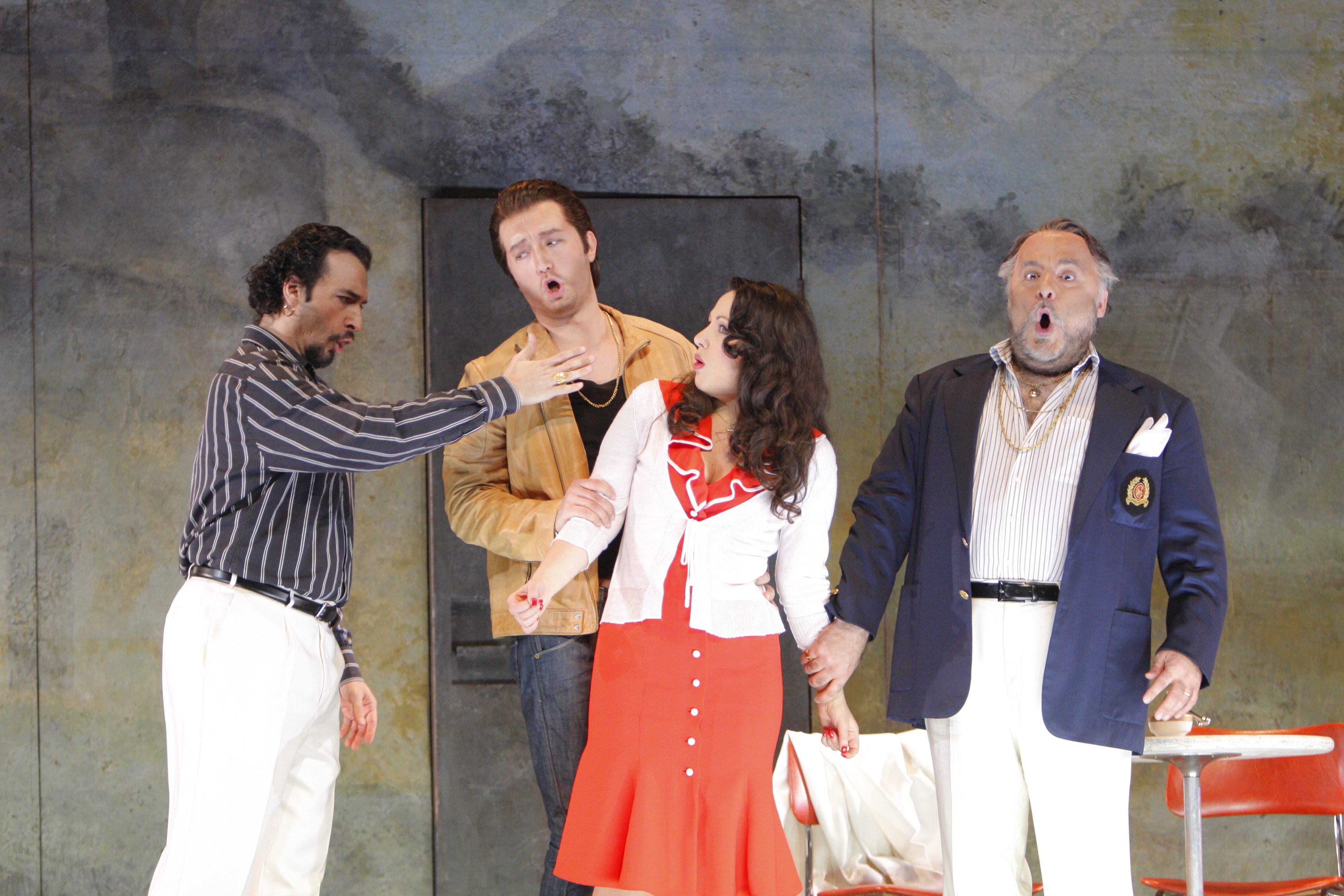
    The opening performance of Il Turco in Italia at Los Angeles Opera was delightful. The production originates from Hamburgische Staatsoper, directed there by Christof Loy, with attractive costumes and sets from Herbert Mauerauer. Here Axel Weidauer directed the amusing action to good effect, the audience certainly was engaged. Even though the specifics of immigration and Orientalism are different between Hamburg and Los Angeles, the production still made sense to an American viewer. For example, the fear of both the Romani and the Turks is more keenly felt in Germany than the United States, but this did not detract from the our understanding of the opera.

    As usual, the Los Angeles Opera orchestra was sounding its best under Music Director James Conlon. The brass soli were a bit tentative, perhaps occasionally sour, but not bad. The chorus had a particularly transparent sound.

    Kate Lindsey made her Los Angeles Opera debut as Zaida, she was awfully spunky and sang with zest. Maxim Mironov's light, pretty tenor suited Narciso, though there were times when he was not audible over the orchestra. Paolo Gavanelli was most impressive as Don Geronio. His voice is luminous and warm, and he always embodied the role convincingly. Thomas Allen was charming as Prosdocimo, his comic timing perfect.

    As Fiorella, Nino Machaidze looked stunning, and sang well. Her voice has a penetrating quality to it, just bordering on shrill. Simone Alberghini (Selim), the Turk of this opera, was comic and his voice had good volume. He does have a lot of vibrato, but this was fine for this role.

    * Tattling * 
    The performance was dedicated to Maria Altmann, who died last Monday.

    There was some light talking from the audience on the orchestra level, but otherwise, everyone behaved acceptably. The slow moving zombie dancers in the background of many scenes were given great applause, though so were the singers, and Machaidze received a standing ovation.

    Leave a comment