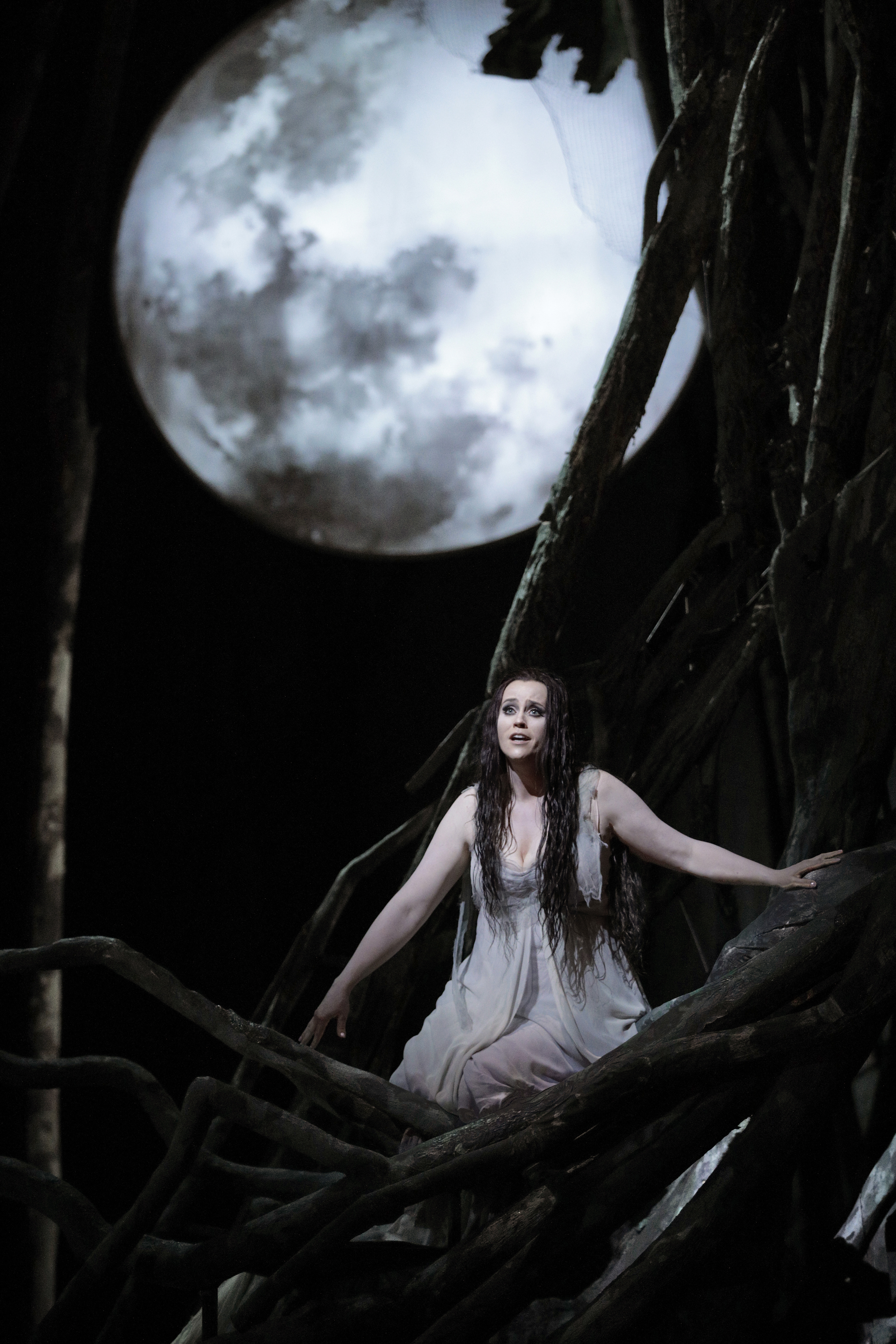
• WMOH9_JoelPuliattiSeptember 6– October 1 2019: Romeo et Juliette
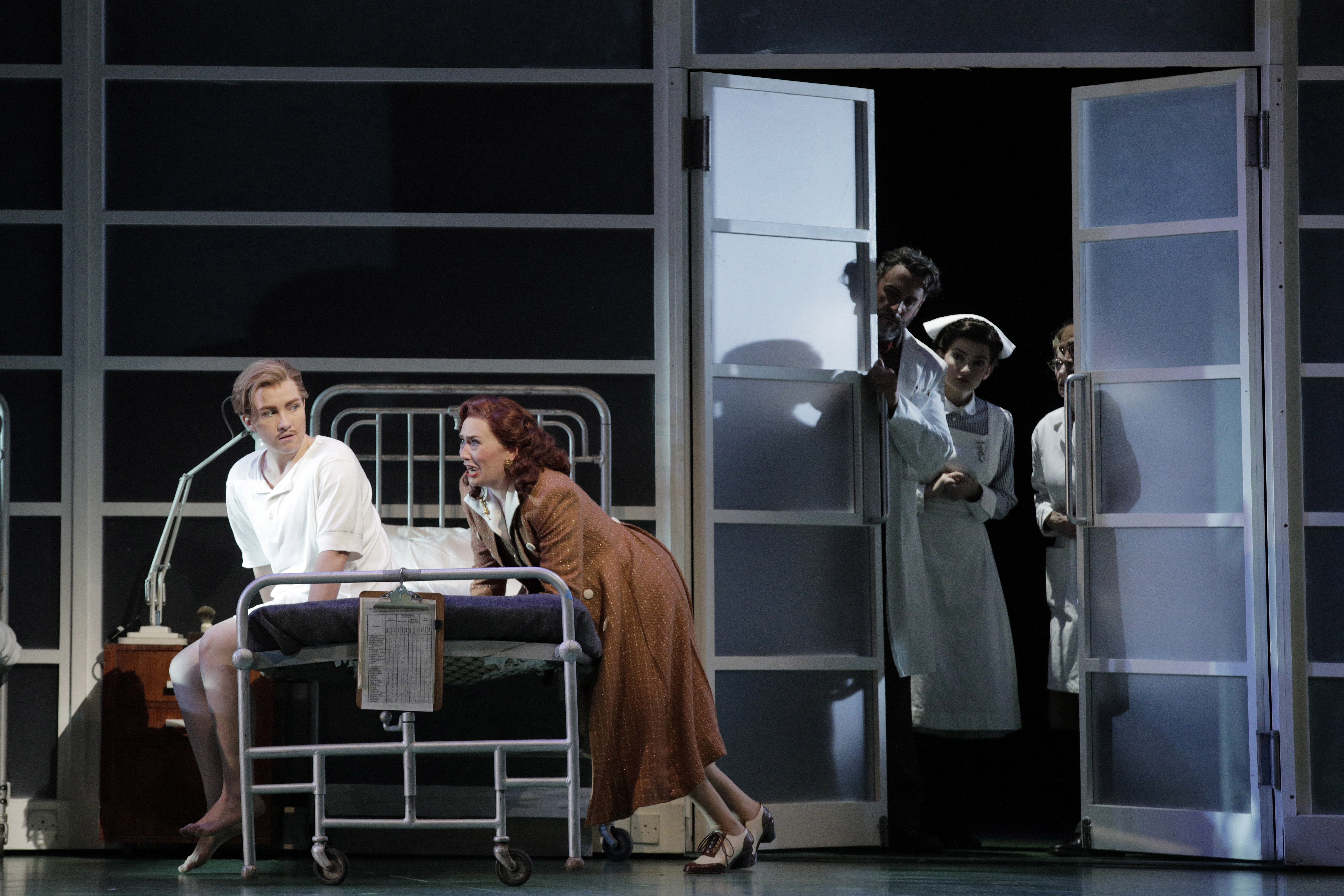
    September 7–22 2019: Billy Budd
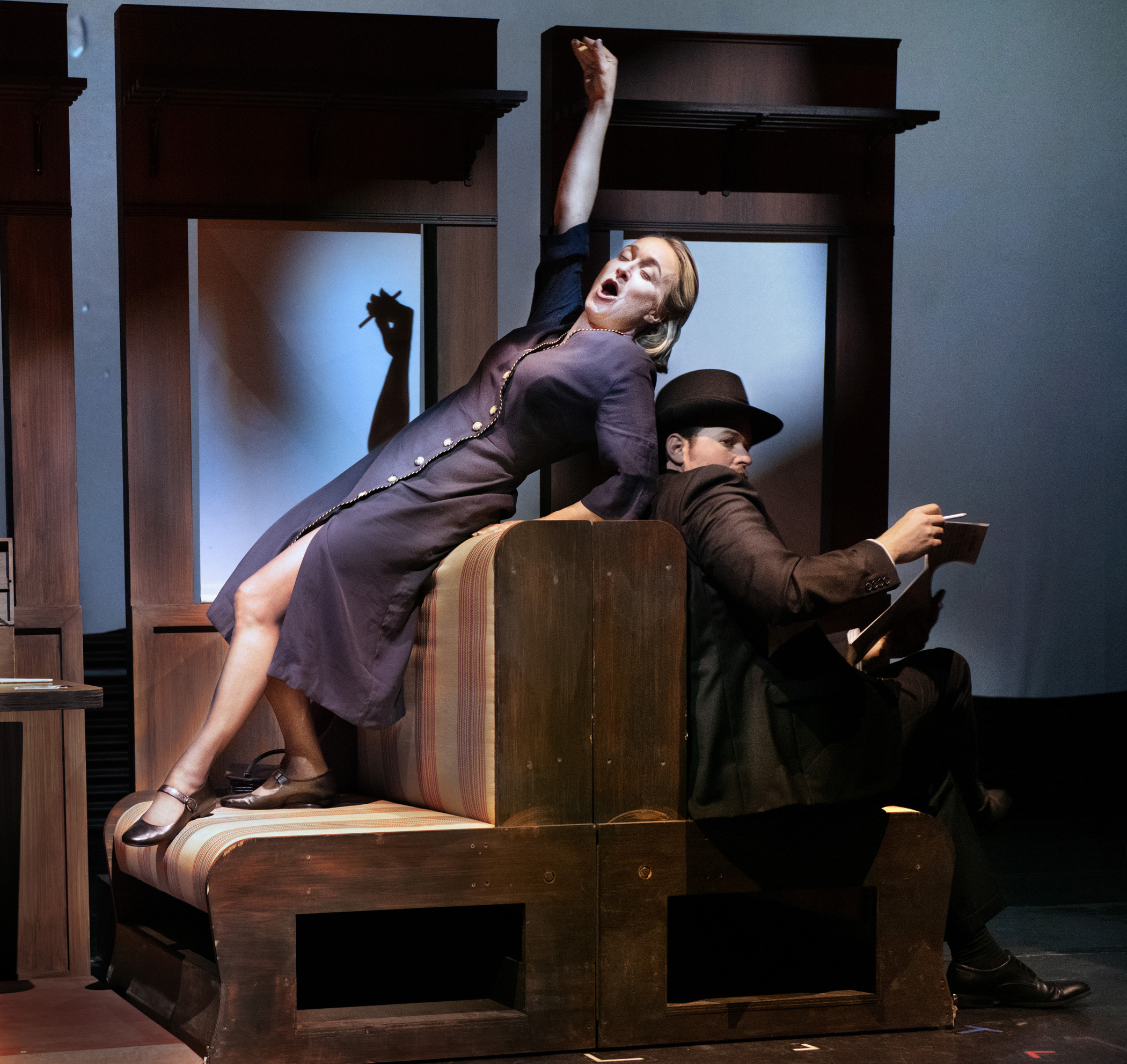
    October 11– November 1 2019: Le Nozze di Figaro
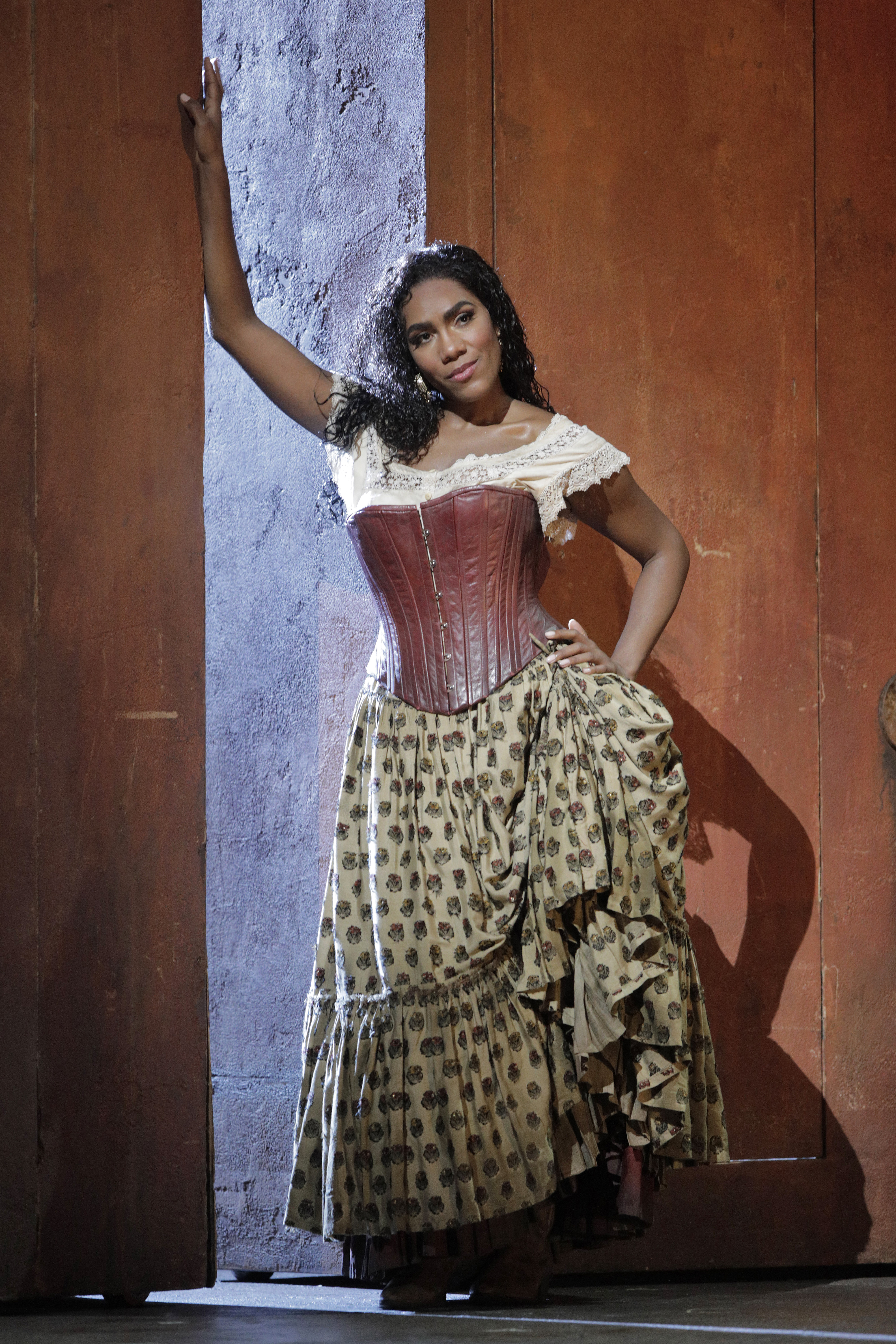
    November 8–26 2019: Manon Lescaut
    November 15–December 7 2019: Hansel und Gretel
    June 7- July 2 2020: Ernani
    June 12-27 2020: Partenope
    June 20- July 3 2020: The (R)evolution of Steve Jobs

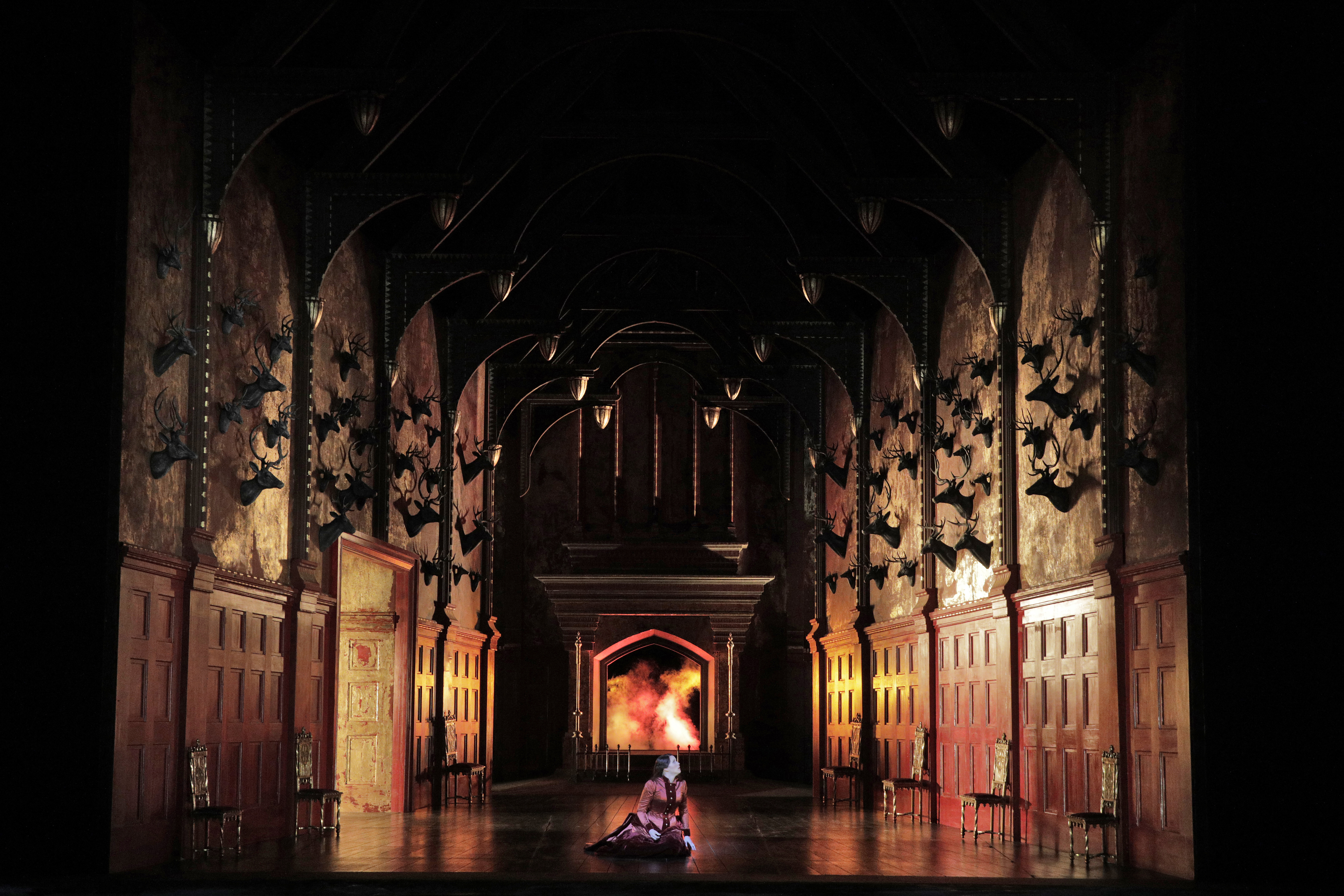
    General Director Matthew Shilvock announced the 2019-2020 season for San Francisco Opera today. Tenor Bryan Hymel and soprano Nadine Sierra sing the lead roles in Gounod's Roméo et Juliette; tenor William Burden is Edward Fairfax Vere in Billy Budd; bass-baritone Michael Sumuel is Figaro; soprano Lianna Haroutounian is Manon; and tenor Russell Thomas is Ernani.

    Press Release | Official Site

    Leave a comment

  • Dreaming-in-ColorAugust 10-28 2019: Rigoletto
    October 19- November 1 2019: Cenerentola
    January 11-25 2020: Eugene Onegin
    February 22- March 7 2020: Charlie Parker’s Yardbird
    May 2-19 2020: La bohème

    Seattle Opera announced the 2019-2020 season today.

    Official Site

    Leave a comment

  • Lp_dress1_3895* Notes * 
    Opera Parallèle revived last year's production of The Little Prince this weekend at the Marines' Memorial Theatre. The opera is perfectly charming and the feminist twist of having mostly female principals worked well.

    I had a better appreciation for Nicholas Wright's libretto this time around — it is concise — condensing some 90 pages of text into showing us the story rather than telling it to us. Composer Rachel Portman is instrumental in all of this, naturally, and the music is both lovely and engaging. 

    It is always a joy to hear conductor Nicole Paiement, even if the ensemble only had a pianist and percussionist, it never felt anything less than lithe and completely together.

    The members of the San Francisco Girls Chorus as stars and birds sounded otherworldly, as did our title role Little Prince, Erin Enriquez (pictured with Christabel Nunoo as the Snake, photograph by Steve DiBartolomeo). Enriquez has a bell-like sweetness that was only occasionally marred by staticky feedback from her microphone. In contrast, it is not surprising at all to see that mezzo-soprano Eve Gigliotti (The Pilot) is singing Siegrune in Die Walküre at The Met this spring, she has a fabulously dramatic voice.

    Mezzo-soprano Kindra Scharich is a delight as The Fox, her warm, supple sound suits the role. Soprano Sabrina Romero-Wilson sang the vain, silly but lovable Rose with clarity, while soprano Maggie Finnegan was quite haunting as The Water. Soprano Christabel Nunoo sang The Snake with both beauty and menace.

    Of the quartet of male singers, all of whom sang various grownups found on neighboring asteroids 325 to 330, tenor J. Raymond Meyers is most memorable, partially because he plays a catchy kazoo tune, and partially because he is dressed as Elvis. Baritone Zachary Lenox is funny as The Businessman counting his stars, as is bass-baritone Philip Skinner as a King who doesn't have much power at all. Tenor Samuel Faustine is endearing as The Drunkard and the hapless Lamplighter who suggests Earth to the Little Prince.

    Hats off to director Brian Staufenbiel for a very attractive production that doesn't try to slavishly mimic Saint-Exupéry's illustrations. The visuals are courtesy of Matt Kish (best known for his Moby-Dick monograph) and David Murakami, the look is much more urban and contemporary than the original book.

    * Tattling * 
    This was my four year old son's first full opera performance excluding those he was present for in utero. He is a nervous little boy with sensory processing sensitivity (in fact, he hid during a rendition of "Happy Birthday" earlier that day) so we did a lot of preparation, including reading the book and watching the opera beforehand on YouTube. He seemed to like the experience and was very quiet and still for the full 95 minutes.

    A couple near the front and middle of the orchestra level brought their toddler and baby, but got to the performance late and had to leave early, as the baby was crying during Act II.

    Leave a comment

  • 181127_EsaPekkaSalonen_Shot1_0140-copySan Francisco Symphony announced today that Esa-Pekka Salonen (pictured left, photograph by Andrew Eccles) is its next music director. He starts in September 2020, succeed Michael Tilson Thomas, who leaves after 25 years.

    Press Release | Press Kit

    Leave a comment

  • Ifigenia-2018* Notes * 
    Ars Minerva was back at ODC with Giovanni Porta's Ifigenia in Aulide last weekend. This opera, premiered in 1738 at Shrovetide in Munich, is in many ways the typical Baroque opera with an elaborate plot based on a classical subject. The music certainly is beautiful and was vibrantly performed here.

    The most famous opera using Euripides original drama is of course Gluck's Iphigénie en Aulide, and Porta's version also changes the tragic ending, but the music (written more than three decades before) is rather frilly in comparison.

    The music is pretty and the small orchestra, lead by Derek Tam, played with a fresh brightness. There was much lovely singing from the eight soloists, including artistic director and founder of Ars Minerva Céline Ricci, whose mezzo-soprano is clear and powerful as Achille. Countertenor Matheus Coura makes for a very sensible Teucro, while soprano Cara Gabrielson is a robust and very emotional Elisena. Tenor Kevin Gino had the slightest strain at the top of his voice, but otherwise is quite a convincing Ulisse, doggedly after Agamennone to sacrifice his own daughter for the greater good.

    Mezzo-soprano Nikola Printz in turn was a strong Agamennone, with lots of color to her voice and some gorgeous low notes. Her singing with sopranos Shawnette Sulker (Clitennestra) and Aura Veruni (Ifigenia) was particularly good. Sulker has never struck me as a natural fit for Baroque opera, perhaps because I've heard her in more contemporary pieces, but her bird-like sound works well in this. She is a fine actress, her mastery of side-eye got a few laughs in Act II as she comes upon her daughter's supposed rival. Veruni has a clean, light voice and makes for a noble Ifigenia.

    Ricci's production used all the characters plus a supernumerary in purple robes and tragic masks as a near constant presence. It was effective, and the semi-staging seems to refer to the lack of set besides the background video projections and a large rock in one scene of Act III.

    I enjoyed the pleated velour athleisure worn by the male characters, the women's one-sleeved velour gowns were somehow less fun. There were also a lot of sequined capes.

    * Tattling * 
    I attended the Saturday performance with a group of young people that was coordinated by the secretary of the board of Ars Minerva. Somehow many of us managed to wear dresses that matched the dark red and black program.

    The woman in B 13 spoke to both of the people next to her throughout the performance, but otherwise it was a fairly quiet audience. There was noticeable attrition after Act II, perhaps because the opera was three hours and 15 minutes long.

    Leave a comment

  • _37A8140_edit* Notes *
    The West Coast premiere of It's a Wonderful Life (Act II pictured left, photograph by Cory Weaver) opened at San Francisco Opera on November 17. Based on Frank Capra's holiday film, the music here by Jake Heggie is sugary sweet, and though reminiscent of Bernstein is very much his own. There was fine stagecraft and beautiful singing as well.

    The opera is set in 1916 to 1945 and has a certain earnestness. It is just on the edge of being cloying, but both composer Heggie and librettist Gene Scheer infuse the drama with enough humor to avoid the sickening saccharine. The repetition of themes such as "Dancing the Mekee Mekee" or Uncle Billy Bailey's "O boy, o boy, o boy" are funny rather than annoying. The set design from Robert Brill is appealing with dozens of screens in the air and on the ground, all the scene changes go very smoothly.

    Maestro Patrick Summer conducted a fluid orchestra that never overwhelmed the singers. There are more than 30 characters in this piece, and many of the soloists are from the ranks of the talented San Francisco Opera Chorus. The Angels First Class is comprised of four current Adler Fellows: soprano Sarah Cambidge, mezzo-soprano Ashley Dixon, tenor Amitai Pati, and bass-baritone Christian Pursell.

    They did sound angelic, as did soprano Golda Schultz, who plays guardian angel Clara (changed from Clarence in the movie) Odbody. Schultz is sympathetic and her high notes floated quite nicely. Evidently the role is meant for a woman of color. Schultz, a mixed-race South African, shares her duties at San Francisco Opera with Kearstin Piper Brown, who is African-American, as is Trevigne Talise, who sang Clara for the world premiere in Houston.

    Baritone Rod Gilfrey is a perfectly evil Mr. Potter, while soprano Andriana Chuchman sang Mary Hatch with vim and lyricism. As George Bailey, tenor William Burden sounds as good as ever, warm and lovely.

    * Tattling * 
    Unlike with many recent operas, I could easily hum a bar or two of the music, even though I've only heard it the once. I couldn't bring myself to sing "Auld Lang Syne" at the end of the opera though Maestro Summers turned around to conduct us. Perhaps it was because I was crying an embarrassing amount. I've really gone soft in my old age.

    I only made it to the fourth performance of the run, since I missed the premiere to escape the unhealthy air quality in the Bay Area due to the Camp Fire up in Butte County. I also did not manage to see the 1946 film version of It's a Wonderful Life before attending the opera, even though it is currently available on Amazon.

    Leave a comment

  • _T8A0778* Notes *
    An elegant co-production of Arabella (Act III pictured left, photograph by Cory Weaver) opened at San Francisco Opera last night. The orchestra and singers were all very strong in Strauss' glittering Viennese comedy.

    The huge cast for this opera boasted many familiar faces, from mezzo-soprano Jill Grove (Merola 1995) as the fortune-teller to soprano Hye Jung Lee (Merola 2010) as the Fiakermilli. The only new singer to the War Memorial stage was tenor Daniel Johanssen as the melodramatic Matteo who loves Arabella but is loved by her sister Zdenka who lives as a boy. Johanssen looks the part and sounds terribly plaintive as he longs for even a glance from his beloved.

    It was a pleasure to hear mezzo-soprano Michaela Martens (Countess Waldner) again singing something rather less grave than Cassandre from 2015 or Klytemnestra last year. Baritone Richard Paul Fink was perfect as Count Waldner, his diction is clear and he's very funny, so different than his Edward Teller in Doctor Atomic or his Alberich.

    Soprano Heidi Stober is a great Zdenka, I remember loving her in this role when I heard it in Santa Fe back in 2012. Her physicality is tomboyish and completely convincing, her voice sparkles and has a beautiful flexibility. Baritone Brian Mulligan too is wonderfully cast as Mandryka, his robust voice is velvety and he is a fine actor. He looks like he could wrestle a bear, as he is purports to do just after receiving Count Waldner's letter. Soprano Ellie Dehn has a white, clean sound as Arabella herself, and  looks as alluring as one would expect for someone sought after by no less than five suitors.

    Director Tim Albery's production is very pretty, not least of all because of the set, designed by Tobias Hoheisel. The stylish grey interiors look great with the pops of color from flowers or the bright red jacket of the Fiakermilli.

    Maestro Marc Albrecht had a promising debut. The orchestra gleamed, staying together without overwhelming the singers or being too square. I particularly loved hearing all the viola music in Act I.

    * Tattling * 
    This was poorly attended, and I got standing room ticket 22 only 15 minutes before curtain. The young man in Row J Seat 103 of the balcony blinded me with his phone at one point during Act I, and the young woman next to him in Seat 105 looked at her Apple Watch throughout the performance.

    Leave a comment

  • In-the-penal-colony-glass-2018* Notes *
    This weekend Opera Parallèle is in Carmel for In the Penal Colony as part of the Days and Nights Festival. Philip Glass' potent chamber opera from 2000 is a perfect match for this company and the production gets to the nightmarish core of the short story from Kafka.

    Maestra Nicole Paiement conducted the string quintet with her usual vim. Though the musicians were regulated over to the right front corner of the stage, they were balanced with the singers and were easy to hear without being overwhelming.

    Brian Staufenbiel's direction is anything but static, there's so much going on even though we only have two singers and two actors. The set has two concentric turntables that can move at different rates and three jagged screens — one in the middle and one for each side. It is just able the right amount of realism — the torture machine is menacingly spiked — mixed with off-kilter weirdness such as a portrait of the previous commandant which shows him with waving pink tentacles rather than a head.

    The opera is in English and much of Rudolph Wurlitzer's text hews closely with Kafka but obviously is much shorter to accommodate the singing. There were no titles, and I really liked this as it forces the audience to play close attention to the singers. Tenor Javier Abreu has a sweet, sympathetic voice as The Visitor, making for a good proxy for the audience. Robert Orth has a great authority as The Officer, his bright, high baritone is convincing.

    * Tattling * 
    There was some scattered talking during the opera. I heard a familiar tiny, muffled sound behind me near the end of the opera, which turned out to be a newborn who was nursing as I left the hall.

    Leave a comment

  • _37A5746* Notes * 
    The new production of Tosca (Act II with Scott Hendricks as Scarpia, Joel Sorensen as Spoletta, and Carmen Giannattasio as Tosca pictured left; photograph by Cory Weaver) that opened last night at San Francisco Opera is an ideal first opera. The set looks like a meticulous reproduction of the places featured within Rome and the singing is strong. The young cast looks very convincing.

    I don’t think I’ve ever seen a Tosca that didn’t try to recreate Sant’Andrea della Valle, Palazzo Farnese, and Castel Sant’Angelo, since they are such specific locales. This offering, designed by Robert Innes Hopkins, is no exception, but it was impressive how real everything looked. The costumes also look very genuine, there are no gratuitous wardrobe changes, Tosca doesn’t even put on a coat to fetch Cavaradossi before their would-be escape. Shawna Lucey’s direction is straightforward and effective. Act II was especially disturbing, Scarpia’s sexual violence against Tosca is all the more palpable in light of current events and I winced from those scenes, even at the back of the balcony.

    The cast is uniformly fine both vocally and dramatically. I was able to spot Hadleigh Adams (Angelotti), Dale Travis (a sacristan) and Joel Sorensen (Spoletta) right away, even without looking at the program, so often have I heard these singers from the War Memorial stage. Tenor Brian Jadge has also performed Cavaradossi here many times, and did well. His voice is as loud as ever, and his arias sounded great. His fall in Act III looked alarmingly authentic.

    Soprano Carmen Giannattasio has a lovely vulnerablity as Tosca, her “Vissi d’arte” alone is worth the price of admission and she sang prostrate on the stage, but this did not seem to have any influence on the volume of her voice at all. She did sound shrill at times at first, but that suits the jealous questioning and nagging of her part in Act I. Scott Hendricks completely embodied Scarpia, he was slick and repulsive, his voice sounded suitably powerful.

    Maestro Leo Hussain conducted the orchestra with vigor that bordered on chaos in Act I, but improved over time. There was a gorgeous solo from the harp and the brass played out with clarity.

    * Tattling * 
    The audience was sparse, and the latecomers in the last row north of center were terribly ill-behaved and talked so much that I had to move to the other side of the balcony to get away from them. Because there were not many people back there, they were even audible from that distance.

    I don’t know if it is because I have two little kids of my own, but children’s voices in opera often creep me out now. Zachary Zele as the shepherd boy made me completely uncomfortable.

    Leave a comment

  • Abduction_opera-san-jose1* Notes *
    A winsome cast (Matthew Grills as Belmonte and Rebecca Davis as Konstanze pictured, photograph by Pat Kirk) opened the Opera San José 2018-2019 season with the delightful music of Die Entführung aus dem Serail yesterday night. Mozart's jaunty Singspiel is a joy to experience with the young soloists, the sprightly orchestra, and gorgeous set, despite the muddled staging.

    The quality of Opera San José's soloists always is solid and this was no exception, the singers are appealing and can both sing and act. The music of Entführung is challenging to pull off, and I was especially impressed by soprano Rebecca Davis as Konstanze, her incisive sound is strong and beautiful. I am astounded every time Konstanze has to sing the back to back arias in Act II, and Davis did not disappoint. Tenor Matthew Grills (Belmonte) also gave a pleasing, lovely performance, making only a few errors. He swallowed a note in his first aria and may have been under pitch for one or two notes in "Ich baue ganz auf deine Stärke," but did great in "Wenn der Freude Tränen fliessen" of Act II and in all the ensembles.

    Abduction_opera-san-jose3Tenor Michael Dailey is endearing as Belmonte's valet Pedrillo and soprano Katrina Galka is perfectly sassy as maid Blonde. Both (pictured left, photograph by Pat Kirk) were very distinct from the other tenor and soprano, Dailey's voice has texture to it and Galka's has a hard edge. Both are excellent actors and are ridiculously attractive, especially for opera singers.

    Bass-baritone Ashraf Sewailam is an amusing as the grumpy Osmin. His clowning had to compete with a lot of silliness from nearly everyone on stage, of course from Pedrillo but there was much buffoonery from Belmonte and even Bassa Selim, the speaking role portrayed here by bass Nathan Stark.

    My least favorite element of the performance was the English dialogue coupled with the singing in German, I wish they simply sang in English as much as I like hearing the sung German text. Dramatically it doesn't make sense, and an opera is artificial enough already without having to overcome this too. I appreciated the many details of Michael Shell's direction and the wonderful physical humor, but some gravity was missing for Bassa Selim, I don't see how he goes from his crass antics to becoming the enlightened person who lets his enemy's son go in the end.

    This was saved by a splendid set from Steven C. Kemp, which looks better than both productions at San Francisco Opera right now and provides a fine spectacle. It did not surprise me at all that the audience clapped for the last act's set design as it was revealed, it simply looks like a seraglio.

    In the end though, Mozart's music shines. I love this opera and I loved hearing it here. Though there were inconsistencies in intonation from the strings, Maestro George Manahan kept the orchestra together and the sound was buoyant. The chorus was powerful and bright as well.

    Tattling *
    "Your" replaced "you" in a supertitle announcement about silencing electronic devices at second intermission. A cellular phone did ring in Row D, around Seat 5 and 7. More distracting were the loud comments from the man in Row F Seat 1, who talked regardless if the orchestra was playing alone or people were singing.

    Leave a comment