September 9-23 2017: Carmen October 7-28 2017: The Pearl Fishers October 14-November 19 2017: Nabucco October 28-31 2017: La Belle et la Bete November 9-12 2017: Keeril Makan's Persona January 27- February 18 2018 Bernstein's Candide March 10-25 2018: Orpheus and Eurydice May 12- 31 2018: Rigoletto May 26 2018: Matthew Aucoin's Crossing June 22-24 2018: Gordon Getty's Usher House and Canterville Ghost
Los Angeles Opera announced its next season on Facebook Live this evening at 6:30pm. Domingo sings the title role of Nabucco, Morris Robinson sings Zaccaria. Robinson returns as Sparafucile in Rigoletto. Maxim Mironov and Lisette Oropesa star in Orpheus and Eurydice with the dancers of the Joffrey Ballet. Oropesa also sings Gilda in one of the Rigoletto casts, sharing the role with Irina Lungu. Of local interest, Sara Jobin conducts the Gordon Getty operas and Brian Staufenbiel of Opera Parallèle directs.
General Director Matthew Shilvock announced the 2017-2018 season at San Francisco Opera today. Highlights include John Adams' new opera about the Gold Rush, Girls of the Golden West, to premiere this November and a revival of the Ring cycle next summer directed by Francesca Zambello.
The two new productions are Elektra, previously seen in Prague and Manon, which has the same team that did the recent I Capuleti e i Montecchi. Both operas boast stellar casts: the powerhouse trio of Christine Goerke, Stephanie Blythe, and Adrianne Pieczonka lead the Strauss opera while Nadine Sierra and Michael Fabiano star in the Massenet.
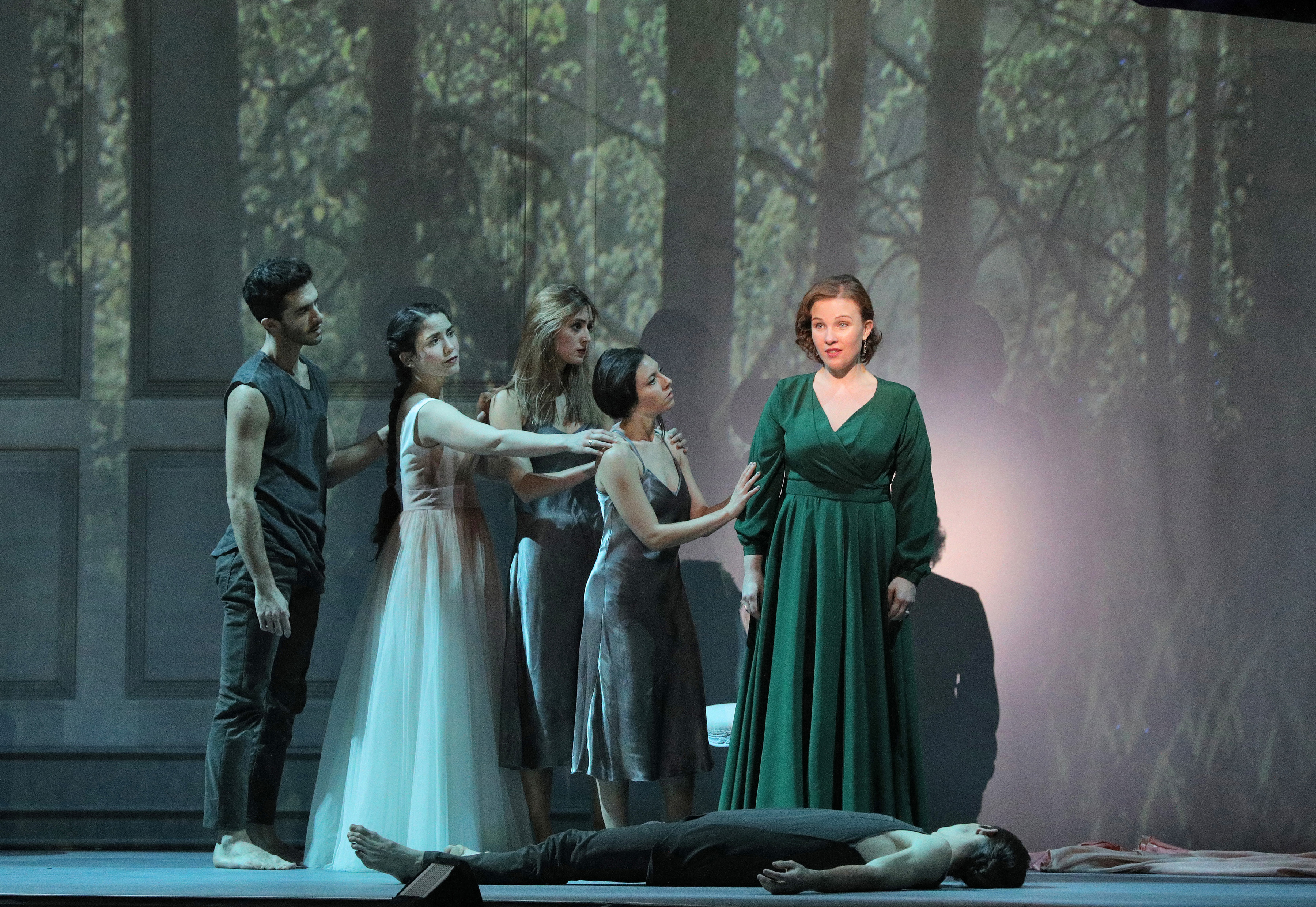
* Notes * Last weekend Michael Tilson Thomas and San Francisco Symphony presented Das Klagende Lied with some wonderful vocal soloists (Joélle Harvey and Sasha Cooke pictured left with dancers, photograph by Cory Weaver/San Francisco Symphony) and a somewhat incoherent but pretty staging. The early Mahler cantata is narrated by four singers and a chorus, since the characters aren't played by the vocalists, having a staging confuses the plot.
The biggest problem with the performance was not James Darrah's direction, which involved four dancers, two children, and lots of tree video art from Adam Larsen. It was the piece itself, which dates from 1880, and is one of the earliest works of Mahler's that still exists. It sounded a lot like substandard Wagner, and while interesting, it did not make for compelling drama.
The singers were great, baritone Brian Mulligan is rich toned, tenor Michael König is robust, and soprano Joélle Harvey is as clear as ever. Best of all is mezzo-soprano Sasha Cooke, whose ethereal voice has brilliant high and low notes. She also sounded lovely in the Songs of a Wayfarer that was performed before the intermission.
The orchestra sounded shimmery throughout the Sunday afternoon performance and the brass was clear and bright in the beginning Blumine. MTT kept a stately pace.
Tattling * The audience was patient and silent, giving a standing ovation at the end.
October 5-28 2017: Arabella October 11- November 4 2017: L'elisir d'amore January 20- February 23 2018: Rigoletto February 7-24 2018: Die Entführung aus dem Serail April 13- May 19 2018: The Nightingale and Other Short Fables April 28- May 26 2018: Anna Bolena
August 5-19 2017: Madama Butterfly October 14-28 2017: The Barber of Seville January 13-27 2018: Così fan tutti February 24- March 10 2018: Beatrice & Benedict May 5-19 2018: Aida
Seattle Opera announces the 2017-2018 season today.
By Charlise Tiee Dec 16, 2016 | Updated Sep 19, 2024
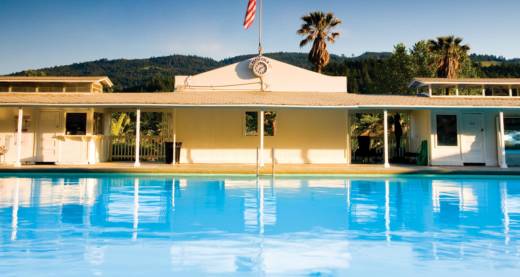
Indian Springs in Calistoga boasts an Olympic sized hot mineral pool. (Photo: Indian Springs)
Let’s face it, 2016 has been a tough year. If your friends and family are anything like mine, they’ve been stressed out by the untimely deaths of David Bowie and Prince, the contentious election season, police brutality, a rise in hate crimes and ongoing social injustice. It can be totally overwhelming, and coming up with holiday gifts seems especially challenging this year.
Self-care is important of course, and those who are most vulnerable may need a gentle nudge to remember to take care of themselves. This holiday season perhaps the kindest thing to do is to not give our loved ones more stuff but to help them to take time out and relax.
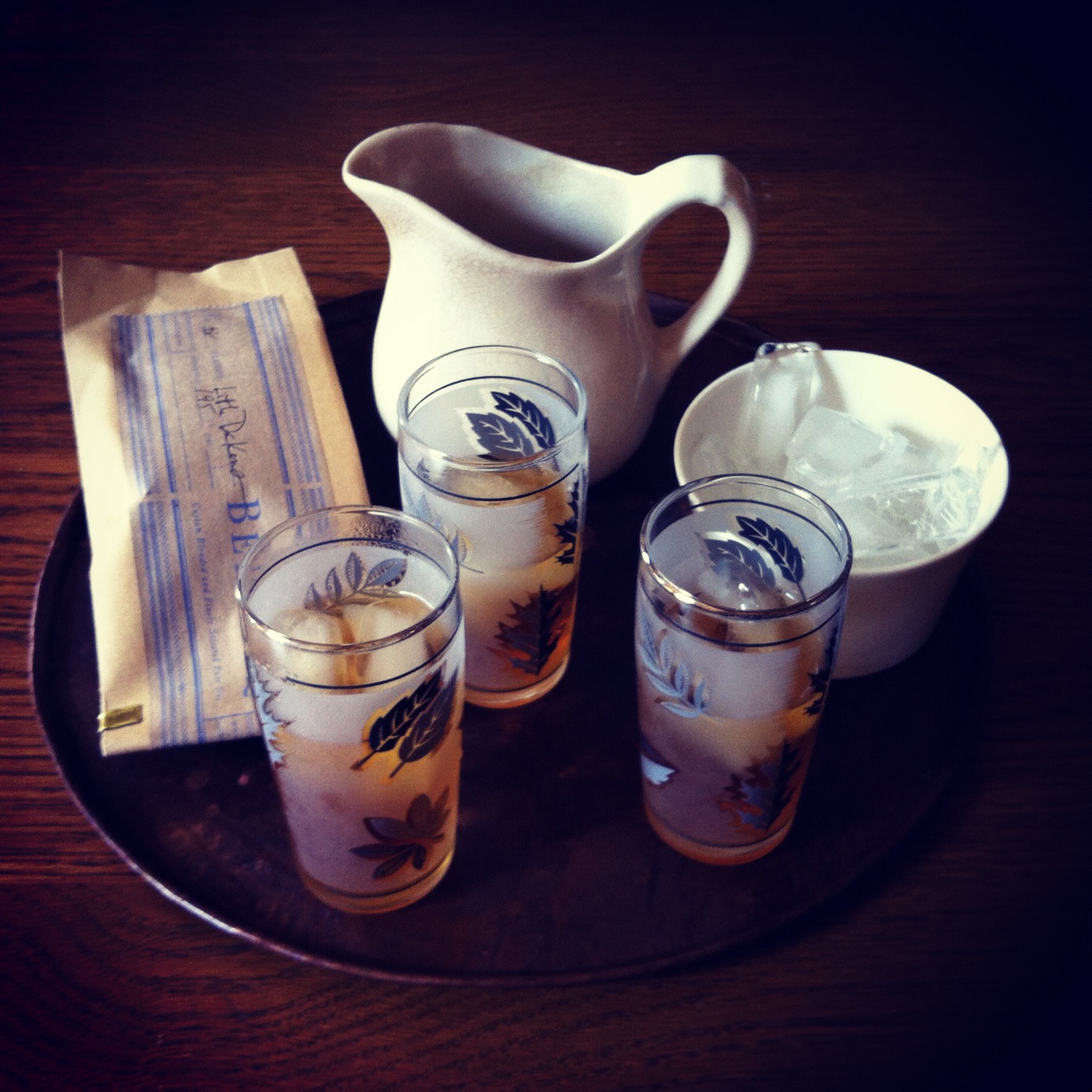
Bellocq Tea Atelier, based in Brooklyn, makes many appealing herbal blends. (Photo: Bellocq Tea Atelier)
Tea
For several years running, I’ve been gifting my close friends and family tea blends from Bellocq Tea Atelier. The Brooklyn-based company has seasonal offerings such as Bellocq Christmas (a black tea with cinnamon and rose petals) and Little Dickens (a rooibos blend with mint and chocolate.)
The herbal blends are a calming option, especially Le Hammeau, which includes soothing lemongrass, chamomile, and lavender. The packaging is very pretty — even the simple brown atelier bag with blue lettering and handwritten label is charming.
Another idea in this vein is taking your loved one to afternoon tea in San Francisco. The Fairmont, Palace, and Ritz-Carlton are the fancy options, while Lovejoy’s is a cozier and more offbeat choice.
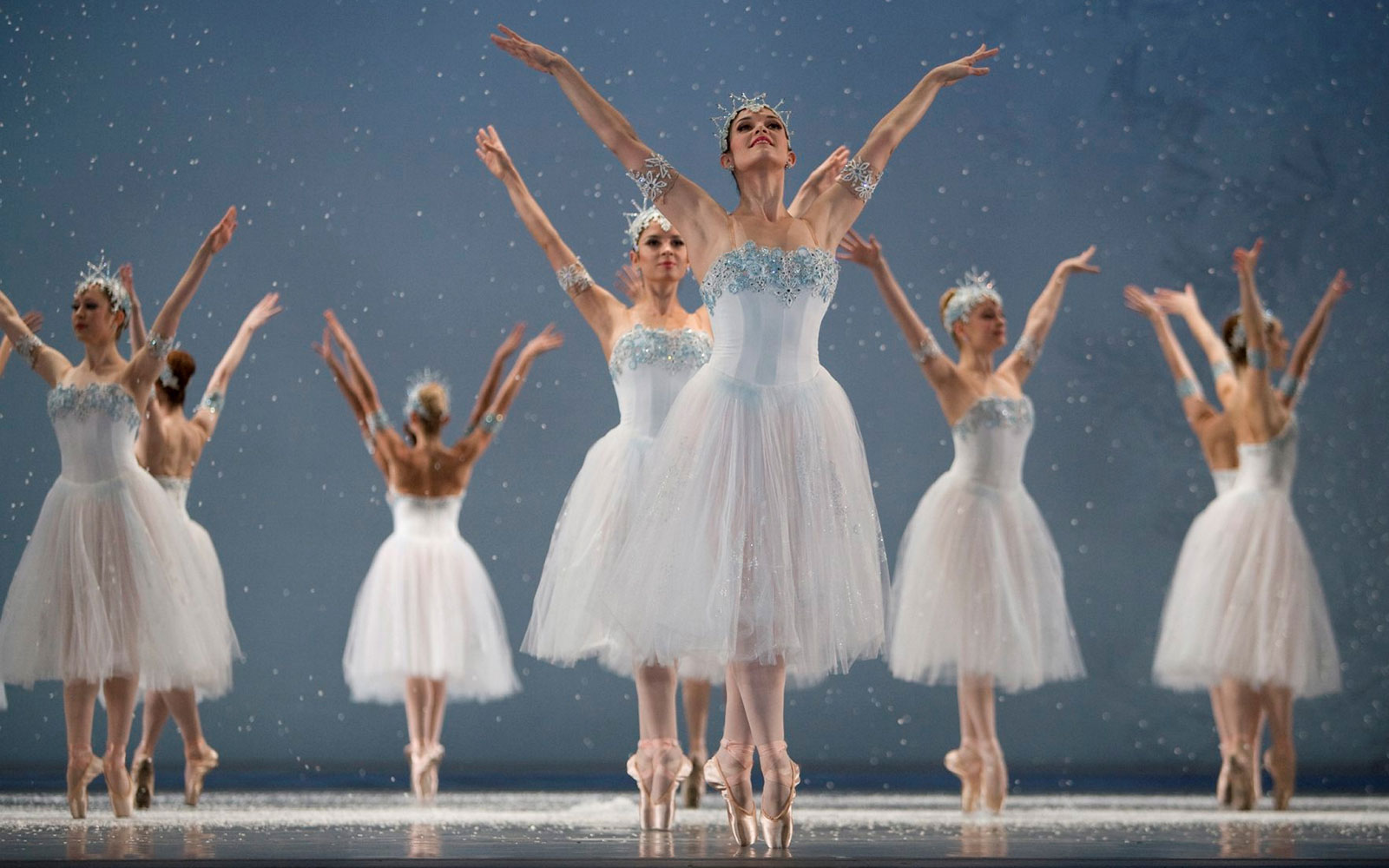
San Francisco Ballet’s Nutcracker is a perennial favorite for the holiday season. (Photo: Erik Tomasson)
Performances
The performing arts are a source of solace for many, myself included. There’s something transcendental about sitting in a huge hall and experiencing live music, dance, or theater. Why not take the family to San Francisco Ballet’s Nutcracker(Dec. 10 – 29) or head to San Francisco Symphony for A Charlie Brown Christmas (Dec. 21-24)? For those who want a less Christmasy time, there’s The Lion King, which goes until New Year’s Eve, or Shotgun Players’ Rep Fest, in which the audacious Berkeley-based theater company performs all five plays of its present season on consecutive nights, through Jan. 22.
You can also gift tickets to the people you love for shows happening months in the future. One of my standard gifts for a close friend is tickets for Alvin Ailey Dance Theater, as the company always comes to Cal Performances in the spring while on tour. Another idea is to try and score tickets to Hamilton, which comes to San Francisco in March. Though you’ll need quite a bit of luck, not to mention spare cash to make that happen.
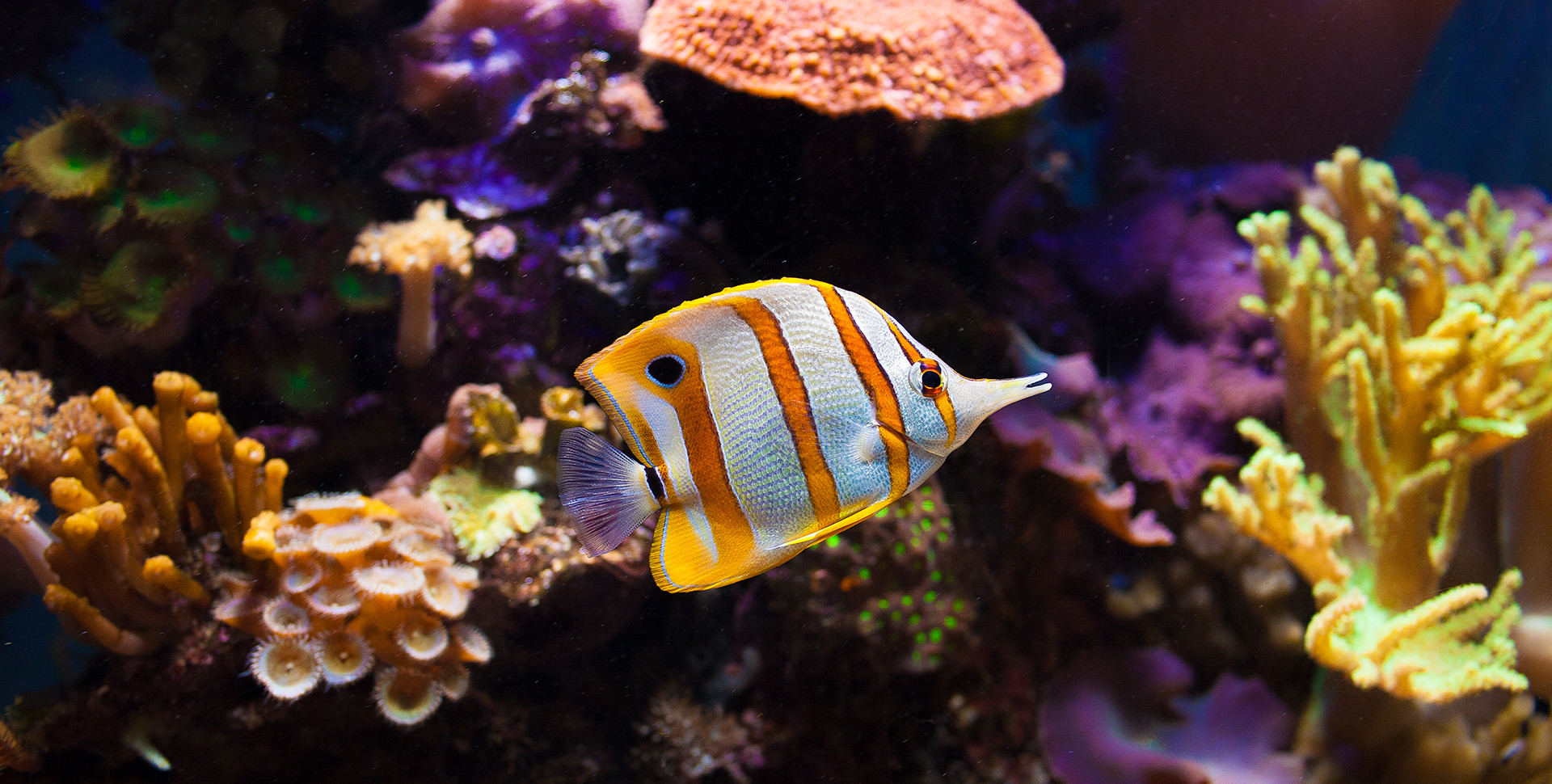
The Steinhart Aquarium, part of the California Academy of Sciences, can be a very calming spot. (Photo: Kathryn Whitney)
Aquarium Membership
One of the calmest places in all of San Francisco must be Cal Academy‘s Steinhart Aquarium during members-only hours on Sunday and Tuesday mornings. The Philippine Coral Reef is completely serene — you can just watch the jewel-like fish flit back and forth. I also love to space out in the tranquil Amazon Flooded Forest. The installation has a soothing effect on my toddler, who can sit surrounded by the “fish tunnel” as he calls it for a full hour.
A membership to the Monterey Bay Aquarium is also a fine option, especially if you live in the South Bay. Watching the undulating jellies is a good way to take a break and be in the moment. If you are further north, you can use the membership as an excuse for a weekend away.
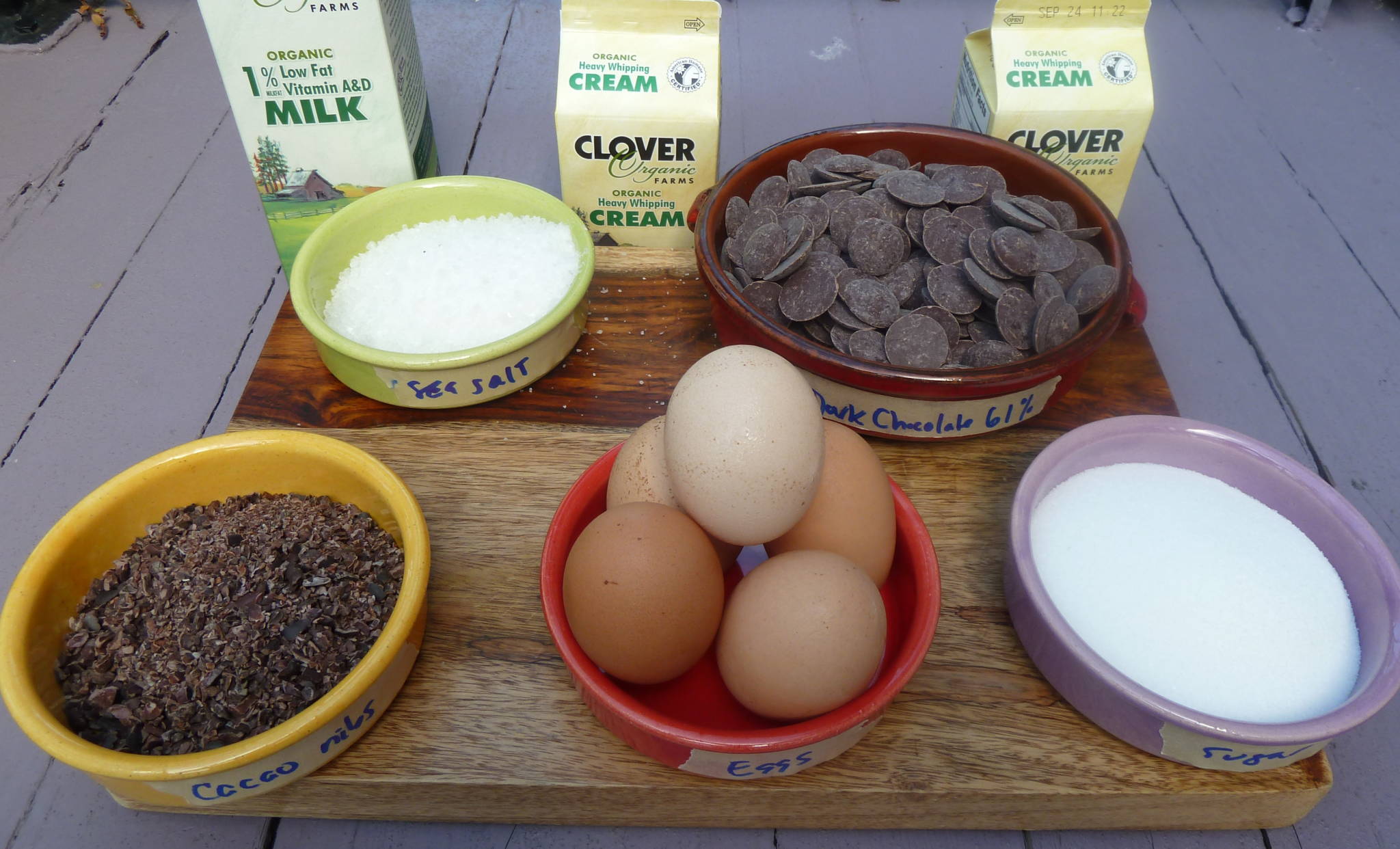
Jordan’s Kitchen holds popular cooking classes, including those for children, in San Francisco. (Photo: Jordan’s Kitchen)
Cooking Classes
Cooking can be daunting for the uninitiated, and I would have never guessed in my single days, when my fridge only had beer and ketchup in it, that making your own meals can be quite meditative. Taking a cooking class can give those with less confidence in the kitchen that extra encouragement to create their own menus. What could be more in line with self-care than figuring out what goes into your own body?
It’s easy enough to give that special person a gift certificate for Jordan’s Kitchen in SOMA, which covers everything from knife skills to Thai cooking. The school also offers Valentine’s Day classes to share with a significant other or close friend.
Another option is Cozymeal, which features classes from both local and traveling chefs. This can also make a great activity for a group of friends, adding a social component to the gift. Sometimes spending time together is a gift unto itself.
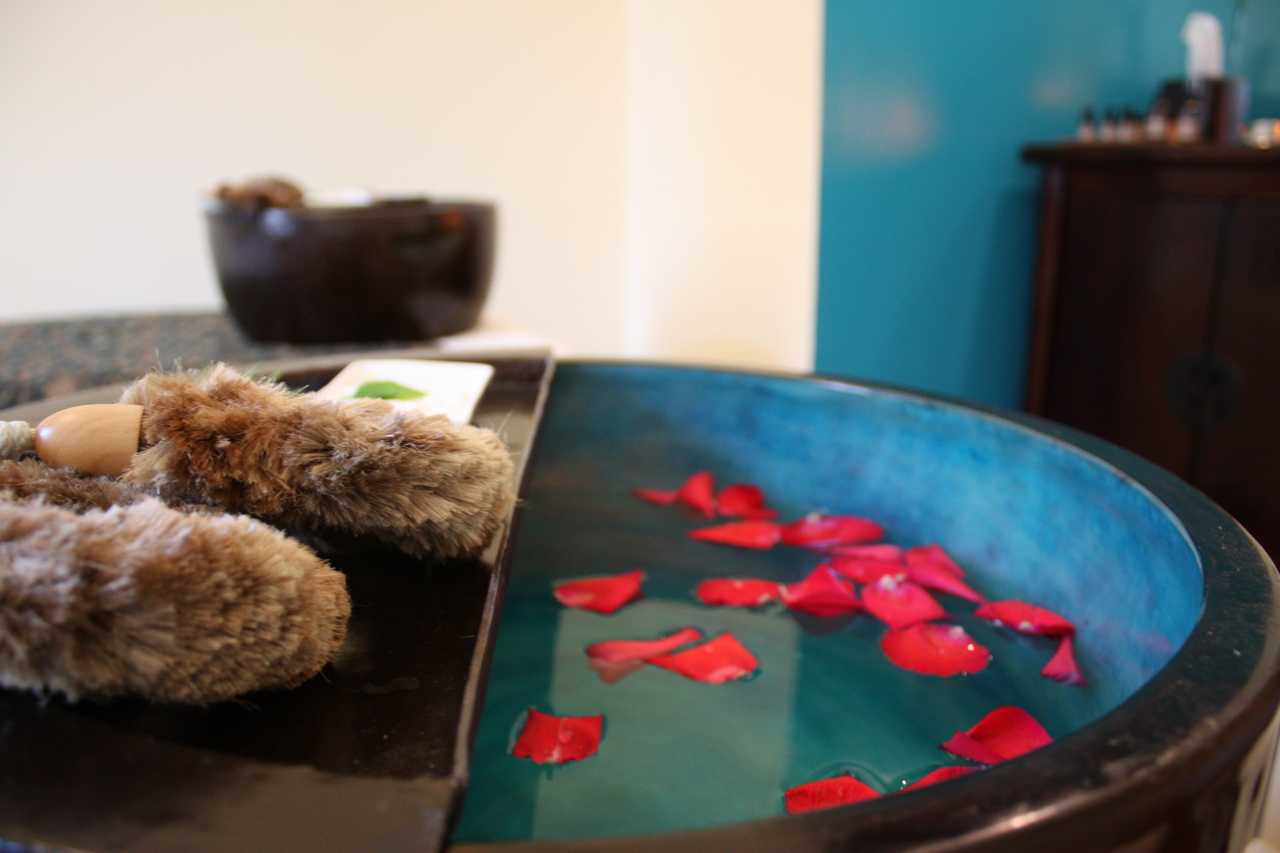
EarthBody is an organic day spa in Hayes Valley with an ayurvedic bent. (Photo: EarthBody)
Spa Treatments
A trip to the spa is the perfect way to reduce stress, and a gift certificate provides an easy step towards taking care of one’s self. I like EarthBody Day Spa, which is an oasis of stillness in bustling Hayes Valley. Treatments include massages and facials using handcrafted organic products with a nod to ayurvedic traditions. Others swear by Korean style spas like Imperial Day Spa in Japantown, which is known for its scrubs and acupressure massages.
Another option is making this gift an escape to nearby Napa for a day at one of the region’s fancy hotel spas. I’ve taken family members to Indian Springs in Calistoga, which has mud and mineral baths and some seriously intense deep tissue massages on offer. You can spend the rest of your time in their Olympic-sized mineral pool, which is a toasty 82–102 degrees.
* Notes * San Francisco Opera's Adler Fellows had an especially impressive annual concert at Herbst Theater last Friday. Supported by the talents of the San Francisco Opera Orchestra and Maestro Jordi Bernacer, the new resident conductor, the singers gave one electrifying performance after another.
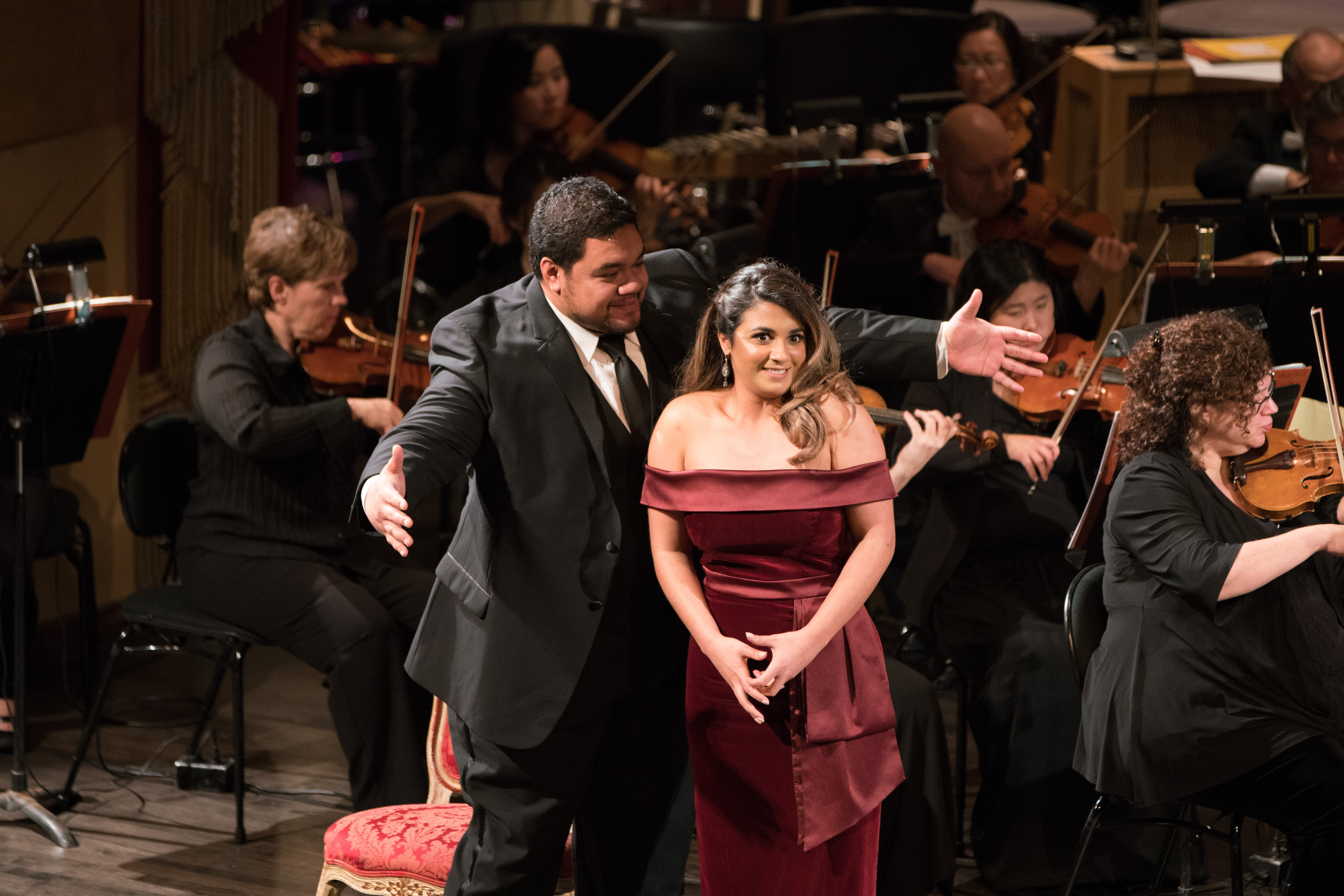
San Francisco Opera has been keeping the Adlers busy this fall, and it was great to hear the likes of tenor Pene Pati and baritone Edward Nelson take center stage for a change. Pati is arresting every time I hear him, and as Tebaldo in I Capuleti e i Montecchi, he sang "Che sei tu che ardisci aggirarti furtivo?" with utter conviction, making Nian Wang (Romeo) seem a bit weak in comparison. Pati was charming in a duet with his wife Amina Idris (pictured above, photograph by Kristen Loken), they sang "Quoi, vous m'aimez? … De cet aveu si tendre" and were very cute. Pati also did very well with "Quango le sere al placido" from Luisa Miller.
Edward Nelson was another standout, his acting was perfect for the duet he sang with soprano Toni Marie Palmertree from Pagliacci. He was completely engaging in "Look, through the port comes the moonlight astray" and one hopes to hear him cast as Billy Budd sometime in the future.
Julie Adams had my favorite aria of the evening with "Glück das mir verblieb" from Die tote Stadt, a reminder both of her incredible voice, put to use only in smaller roles like Kate Pinkerton and Kristina lately, and of the amazing run we had of this opera back in 2008. Adams also gave a riveting performance of "The trees on the mountain" from Susannah.
I was most taken aback by hearing bass Anthony Reed in Song of the Viking Guest from Rimsky-Korsakov's Sadko, he sounded really nice. Oftentimes I find it hard to appreciate the Adlers with lower voices, as they tend to be less far along in their development, and it's hard to extrapolate how their voices will be in decades to come. Reed often sounds a little underpowered to me, and his youth is always at odds with the old man roles he plays on the War Memorial stage.
* Tattling * It has been so long since I've been to one of these concerts that I didn't realize it is held in Herbst rather than the War Memorial. I had to scurry over and thank goodness traffic hadn't been worse, or I would not have made it in time.
I sat next to a critic who asked me if Toni Marie Palmertree had to step in as Butterfly for a performance, which I confirmed, she sang the role on November 18. On the other side of me was an enthusiastic man who forgot to turn off his phone, which rang before the singing started for the first aria, but kept making sounds as he tried to disable it.
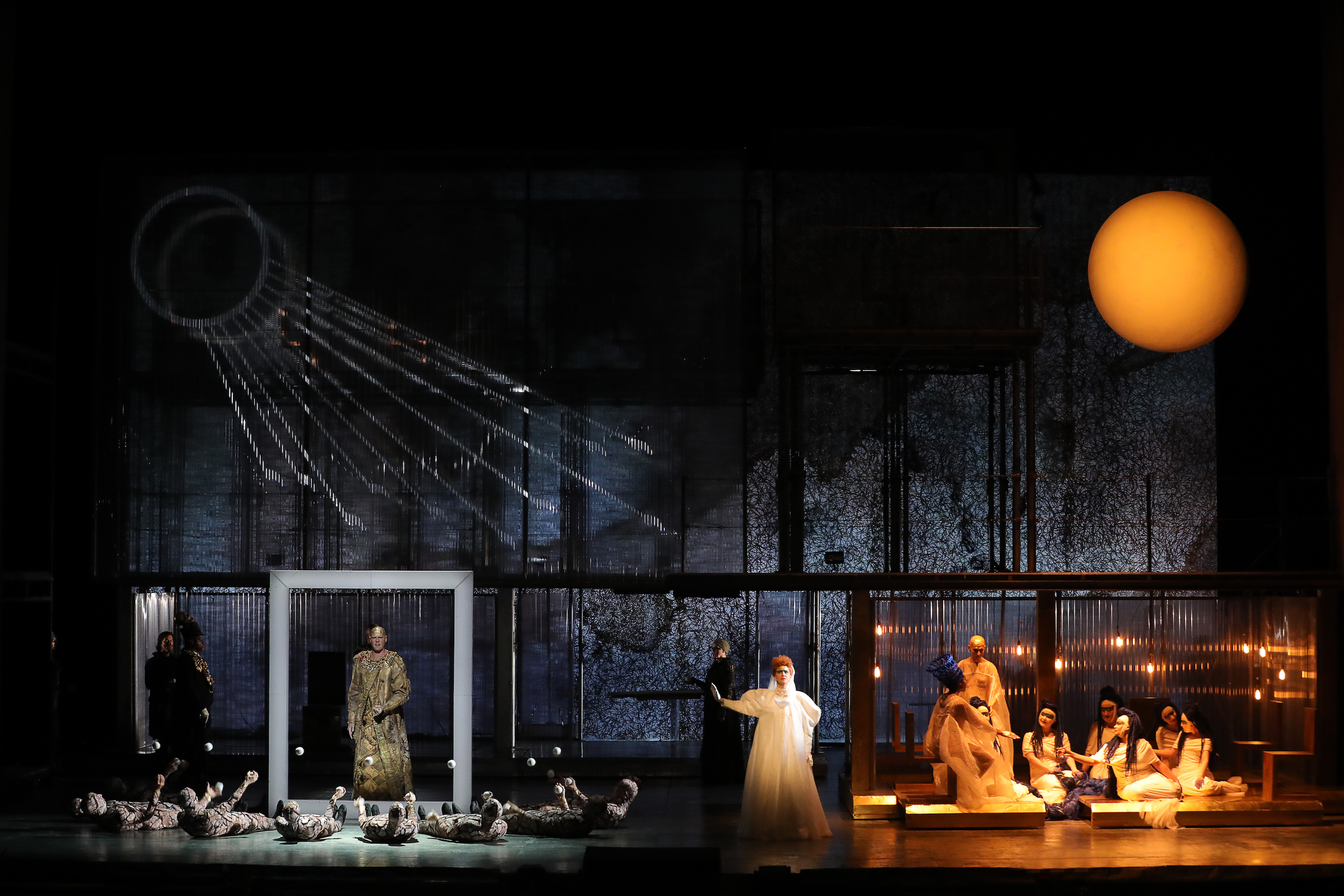
* Notes * Los Angeles Opera's recent Akhnaten, which closed last Sunday with a matinee performance, was nothing short of spectacular. With Philip Glass' hypnotic score, an excellent cast, and a grand production featuring acrobats and a flexible, multi-level set, it was hard to look away from the stage for even a second.
This is the third of three biographical operas by Glass, the first two being Einstein on the Beach and Satyagraha, which focus on Albert Einstein and Mahatma Gandhi. This opera deals with the life of pharaoh Akhenaten, who abandoned polytheism in favor of worshipping Aten, a sun deity. The text of the opera is in Ancient Egyptian, Biblical Hebrew, and Akkadian.
The music features many arpeggios and no violins, it is not as surreal as Einstein and not as austere as Satyagraha. The music does seem difficult to perform, and though not perfectly precise, the LA Opera orchestra did admirably under the direction of Matthew Aucoin. The chorus members looked like they were all concentrating very hard as well, especially when they had to throw balls as they sang.
The main character is sung by a countertenor, in this case by the very talented Anthony Roth Constanzo, who is a regular at the Met and also had a star turn in San Francisco Opera's Partenope a few years ago. Constanzo has a beautiful, pure tone. He did sound somewhat shrill in Act II Scene 2, his duet with Nefertiti, but he was incredible in the rest of the piece. The epilogue was especially gorgeous, and certainly soprano Stacey Tappan (Queen Tye) and mezzo-soprano J'Nai Bridges (Nefertiti) made strong contributions here as well. Tappan has a clear, sweet sound and Bridges is powerful without dominating the other voices.
The smaller roles were all beautifully cast. Baritone Kihun Yoon (Horemhab), bass-baritone Patrick Blackwell (Aye), and tenor Frederick Ballentine (High Priest of Amon) sang with an unparalleled cohesion. The six daughters of Akhnaten sounded elegant and lovely, particularly sopranos So Young Park and Summer Hassan. Even the non-singing role of the scribe, who narrates the scenes in lieu of supertitles, was expertly performed by bass Zachary James, a imposing presence with an attractive voice, even if he didn't sing here.
The striking co-production with English National Opera opened at that opera house last March. The set, which looks to be made of metal and is designed by Tom Pye, features three levels and sliding doors, it is contemporary and easily moved but still formidable, especially when populated by the chorus and the supers. Kevin Pollard's costumes make nods at Ancient Egypt but also reference other eras. The look is a bit Steampunk and also a bit H.R. Giger. Akhnaten's robes have baby doll heads on them, for instance.
Director Phelim McDermott makes use of ten jugglers, an acknowledgement of the earliest known depiction of juggling being found in Egypt and of Philip Glass' music, which requires similar adroit, well-timed skill. The jugglers, dressed for the most part as cracked statues, add to both the spectacle and otherworldly quality of the piece. McDermott never lacks for ideas, there was a huge hamster wheel in Act I and Contanzo is completely naked for much of this act as he is slowly maneuvered into his pharaoh clothing. Act II Scene 4 has a giant balloon aloft mid-stage, prettily lit different colors until it clearly represents the sun. The six daughters have blue dreadlocks that all tie together, and the scene in which they are drawn into the crowd is very effective and disturbing. The production has a coherence that never detracts from the music.
* Tattling * This final performance looked completely full, and I made a point of trying to sit near the stage, as I had heard the visual aspect of the production was very compelling. Also, one would think being so close to the performers would make one embarrassed to talk. This was not completely true, the women in Row C Seats 9 and 10, the second row, made a lot of comments, but at least they were about the action, however uninsightful ("Pretty" or "Like Cirque du Soleil") they sometimes were.
* Notes * The day before Thanksgiving last week I went to hear Maestro Simon Rattle and the Berlin Philharmonic play a second performance at Davies Hall on their current tour. The concerts mark Rattle's farewell as principal conductor as he will not extend his contract when it ends in 2018. The orchestra sounded clean without feeling uptight or frightened, and played with a lot of joy.
The performance began with Rattle speaking about the first pieces about to be played, which were an answer to the previous night's program which featured Mahler's 7th. This evening included Schoenberg's Five Pieces for Orchestra, Webern's Six Pieces for Orchestra, and Berg's Three Pieces for Orchestra, which was played as a "14 movement suite or Mahler's fictional 11th Symphony" according to the conductor.
The pieces all had a lot of percussion and the four musicians in charge of this had a lot to do. The Schoenberg was sinuous and graceful, while the Webern was much more spare. It was clear when we got to the Berg because everything became much more lush. The large hammer "with non-metallic tone" used in this piece is comically huge and was very amusing to watch and hear.
The Brahms, Symphony No. 2 in D major, was wonderful to hear. Played with absolute jubilation, it was one of the only times I have heard this composer without thinking of pastures and cows and was instead engaged with the cheer and vibrancy of the musicians. The horn was especially great, warm and secure without sounding overly loud or sterile.
Tattling * The audience well-behaved, everyone clearly wanted to be there aside from one or two who left at appropriate times and without making a fuss.
It's A Wonderful Life, a new opera by composer Jake Heggie (pictured left, photograph by Art & Clarity) and librettist Gene Scheer is based on Frank Capra's 1946 film and will have a West Coast premiere at San Francisco Opera in the 2018-19 season. The work has a world premiere at Houston Grand Opera this Friday.
 September 9-23 2017: Carmen

![Jake_heggie_piano[1]](https://operatattler.com/wp-content/uploads/2016/11/mt_imported_image_1757650421.jpg "Jake_heggie_piano[1]")
 The Opera Tattler
Leave a comment