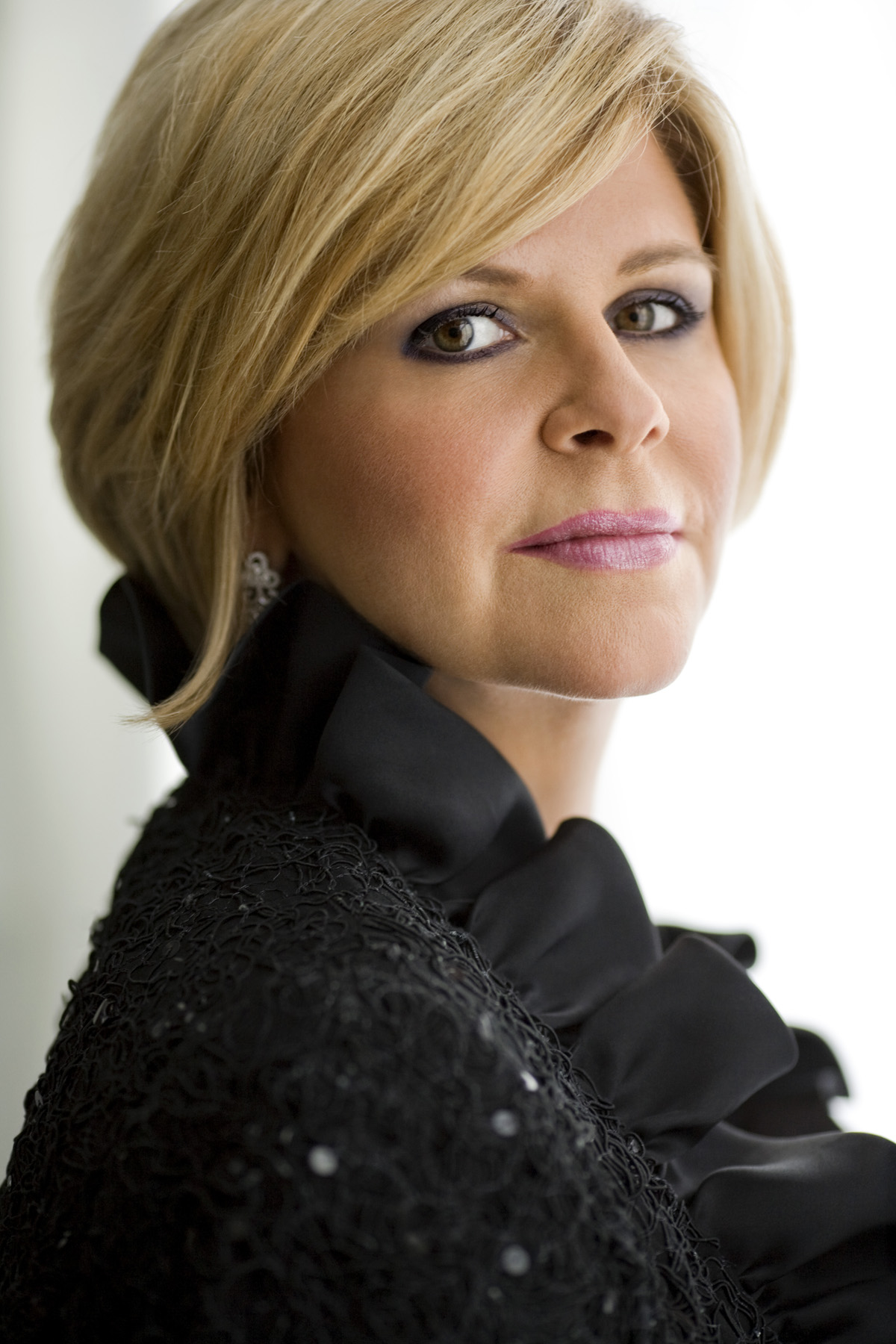
September 7 2016: MTT conducts Steve Reich, Rossini; Renée Fleming, soprano and Susan Graham, mezzo-soprano
September 8 2016: MTT conducts Copland, Vivaldi, Rossini; Susanna Phillips, soprano and Alexander Barantschik, violin
September 9-10 2016: MTT conducts Copland, Reich; Susanna Phillips, soprano and eighth blackbird, chamber ensemble
September 11 2016: MTT conducts Steve Reich 80th Birthday Celebration
September 14-17 2016: MTT conducts Haydn, Sibelius, Beethoven
September 18 2016: MTT conducts Beethoven Discovery Concert
September 22-24 2016: MTT conducts Marcello, Berio, Verdi; Michael Fabiano, tenor; Swingle Singers, vocal ensemble; Eugene Izotov, oboe
September 28- October 1 2016: MTT conducts Bright Sheng, Shostakovich, Stravinsky; Yuja Wang, piano; Mark Inouye, trumpet
October 9 2016: Vincent Dubois, organ
October 13-15 2016: Brad Lubman conducts 2001: A Space Odyssey
October 16 2016: Chamber Music with members of SFS
October 19-22 2016: Pablo Heras-Casado conducts Mozart, Schumann, Dvořák; Alisa Weilerstein, cello
October 23 2016: Chamber Music with members of SFS
October 27-30 2016: MTT conducts Allegri, Mozart, Brahms; Rudolph Buchbinder, piano; Pacific Boychoir
October 31- November 1 2016: Gustavo Dudamel conducts Los Angeles Philharmonic Orchestra
November 2-4 2016: MTT conducts Chopin and Bruckner; Yuja Wang, piano
November 5 2016: Día de los Muertos Concert
November 6 2016: Jacek Kaspszyki conducts Warsaw Philharmonic Orchestra; Yulianna Avdeevat, piano
November 9-22 2016: Asia Tour with Yuja Wang
November 20 2016: Christian Reif conducts SFS Youth Orchestra
November 22-23 2016: Simon Rattle conducts Berlin Philharmonic
December 3 2016: Edwin Outwater conducts Music for Families
December 4 2016: Chamber Music with members of SFS
December 4 2016: Yu Long conducts China Philharmonic Orchestra; Julian Rachlin, violin
December 9-10 2016: SoundBox
December 11 2016: Christian Reif conducts SFS Youth Orchestra in Peter and the Wolf
December 11 2016: A Merri-achi Christmas
December 15-17 2016: Patrick Dupré Quigley conducts Messiah
January 7-8 2017: David Newman conducts On the Waterfront
January 13-15 2017: MTT conducts Mahler
January 16 2017: Itzak Perlman, violin & Rohan De Silva, piano
January 21-24 2016: James Gaffigan conducts Musssorgsky, Prokofiev, Mozart, and R. Strauss; Simone Lamsma, violin
January 20-21 2017: SoundBox
January 26-28 2017: Lionel Bringuier conducts Kodály, Ravel, Beethoven; Jean-Yves Thibaudet, piano
January 28 2017: Edwin Outwater conducts Music for Families
January 29 2017: Chamber Music with members of SFS
January 29 2017: Emmanuel Villaume conducts Prague Philharmonia; Gautier Capuçon, cello
February 1-3 2017: Herbert Blomstedi conducts Beethoven
February 4 2017: Chinese New Year Concert
February 5 2017: Chamber Music with members of SFS
February 7 2017: Lang Lang, piano
February 9-12 2017: Herbert Blomstedt conducts Beethoven and Brahms; Yefim Bronfman, piano
February 10-11 2017: SoundBox
February 16-18 2017: Joana Carneiro conducts John Adams’ The Gospel According to the Other Mary
February 19 2017: Chamber Music with members of SFS
February 22-25 2017: MTT conducts John Adams, Prokofiev; Leila Josefowicz, violin
February 26 2017: James O’Donnell, organ
March 1-4 2017: MTT conducts Gnesin, Shostakovich, Tchaikovsky; Gautier Capuçon, cello
March 5 2017: Christian Reif conducts SFS Youth Orchestra
March 9-12 2017: Marek Janowski conducts Beethoven, Hindemith, Brahms; Arabella Steinbacher, violin
March 10-11 2017: SoundBox
March 13 2017: András Schiff, piano
March 16-18 2017: Juraj Valčuha conducts Schreker, Barber, Beethoven; Gil Shaham, violin
March 18 2017: Christian Reif conducts Music for Families
March 19 2017: Chamber Music with members of SFS
March 19-20 2017: Yuri Temirkanov conducts St. Petersburg Philharmonic
March 23-24 2017: MTT conducts Cage, Robin Holloway, Bartók; Jeffrey Anderson, tuba
March 25-26 2017: MTT conducts Cage, Bruch, Bartók; Nicola Benedetti, violin
March 26 2017: Anne-Sophie Mutter, violin and Lambert Orkis, piano
March 30- April 2 2017: MTT conducts Mahler
April 2-3 2017: Fabio Luisi conducts Danish National Orchestra
April 5-8 2017: US Tour
April 7 2017: Ragnar Bohlin conducts San Francisco Symphony Chorus
April 14-15 2017: SoundBox
April 14-15 2017: Emil de Cou conducts Raiders of the Lost Ark
April 19-22 2017: Andrés Orozco-Estrada conducts Prokofiev and Rachmaninoff; Denis Kozhukhin, piano
April 27-29 2017: Fabio Luisi conducts Schumann and R. Strauss; Igor Levit, piano
April 30 2017: Chamber Music with members of SFS
May 4-6 2017: Charles Dutoit conducts Berlioz’s Requiem; Paul Groves, tenor
May 7 2017: Chamber Music with members of SFS
May 10-13 2017: Charles Dutoit conducts Sibelius, Mozart, Falla, Debussy; Emanuel Ax, piano
May 14 2017: Christian Reif conducts SFS Youth Orchestra
May 17-21 2017: Roberto Abbado conducts Schumann and Mendelssohn; Veronika Eberle, violin
May 25-27 2017: Manfred Honeck conducts Shostakovich and Tchaikovsky; Matthias Goerne, baritone
May 28 2017: Chamber Music with members of SFS
May 31- June 1 2017: Alexander Barantschik, violin leads Vivaldi, Mozart, J.S. Bach
June 2-3 2017: Sarah Hicks conducts Casablanca
June 3 2017: Christian Reif conducts Music for Families
June 4 2017: Wayne Marshall, organ
June 9-11 2017: Susanna Mälkki conducts Debussy, Beethoven, Stravinsky; Garrick Ohlsson, piano
June 15-18 2017: Vasily Petrenko conducts Glinka, Lalo, Rachmaninoff; Joshua Bell, violin
June 23-25 2017: MTT conducts Ives, MTT, Harrison, Antheil; Measha Brueggergosman, mezzo-soprano
June 28- July 1 2017: MTT conducts Berlioz’s Roméo et Juliette; Sasha Cooke, mezzo-soprano; Nicholas Phan, tenor; and Luca Pisaroni, bass-baritone
The Opera Tattler
Reviews of Performances and their Audiences
-
-
* Notes *
American Bach Soloists gave a splendid performance of the fittingly titled Alexander's Feast, or The Power of Music yesterday afternoon in San Francisco. The oratorio by Händel is adapted from John Dryden's ode for Saint Cecilia's Day of the same name.ABS was played with the composer's Concerto in B-Flat Major for Harp after the second recitative and Concerto Grosso in C Major before Part Two. The harp concerto was especially impressive. Maria Christina Cleary played the triple harp with a fearless and sparkling intensity.
Maestro Jeffrey Thomas kept the proceedings clean and neat. Only the horns had a brief misstep in the middle of the first half, but regained their footing as far as intonation is concerned. The chorus sounded robust and cohesive.
Tenor Aaron Sheehan sounded bright and had some incredible breath control as was evidenced by his first air, "Happy, Happy, happy Pair!" He was fittingly strident in "War, he sung, is Toil and trouble." I also liked soprano Anna Gorbachyova, who has an icy, resonant sound. Baritone William Sharp could be gravelly and thin in his lower register but was otherwise fine.
* Tattling *
The rows and seats in the balcony of St. Mark's were unmarked because of a problem with a printer, leading to a fair amount of confusion that was resolved by a helpful usher.Beeps and rings were heard during both halves of the performance.
Leave a comment
-
* Notes *
SF Opera Lab held the first event at the new Taube Atrium Theater last night. The evening was open to certain San Francisco Opera donors but involved having to call the box office to reserve tickets, as the space only has 299 seats.The theater is part of the Diane B. Wilsey Center for Opera, which consolidates SF Opera's operations on the fourth floor and basement of the Veterans Building. The space, which originally housed SFMOMA, includes an education studio that can also be used as a rehearsal venue, a costume studio, the San Francisco Opera Archive, exhibition galleries, and administrative offices. The opera moved in two weeks ago, though not everything is quite done, there has been painting and such in the interim.
The performance ended up being a salon curated by members of the San Francisco Opera Orchestra, part of SF Opera Lab's ChamberWORKS series. The intimate setting had a casual feel, performers addressed the audience and introduced many of the pieces. There was no printed program, instead titles were projected over digital wallpapers from the Cooper Hewitt.
The performance started with cellist Thalia Moore playing Vivaldi's Sonata No. 6 in B flat major, RV 46 accompanied by Adler Fellow Ronny Michael Greenberg on harpsichord who were joined by flutist Stephanie McNab, percussionist Rick Kvistad, and mezzo-soprano Adler Zanda Švēde, who sang a setting of ten Shakespeare sonnets to music by Pauls Miervaldis Dambis. Dambis seems to have a penchant for the Renaissance, hence the harpsichord rather than the piano.
Greenberg did shift to playing piano, and one of the highlights of the evening was certainly Robert Muczynski's Sonata for Flute and Piano Op. 14. Played with verve by Stephanie McNab, Greenberg's playing was crisp and supportive. We also got to hear a piece of Kvistad's called "Blues for Wilsey," in which the percussionist plays a drum set along with the other musicians playing their respective instruments. Greenberg played piano in this and McNab played both flute and piccolo.
The performance was capped by the Habanera and Seguidilla from Bizet's Carmen, accompaniment arranged for vibes, cello, flute, and piano by Peter Grunberg. Švēde is brilliant, getting the emotional import of all the words through her voice. She made her entrance through the audience, and it was a testament to how great the Meyer Sound system is, because it sounded nicely balanced — not too loud or dry.
* Tattling *
The audience was extremely focused and quiet. It was fun hearing the musicians speak, especially Kvistad, who joked the more he studied music, the less notes he was allowed to play, especially at the opera, where he must be the highest paid musician per note.The theater can get rather warm, and the controls to the AC system have apparently not been handed over to the opera yet, as we learned from the Q&A with the performers and Elkhanah Pulitzer, Director of Programming for the SF Opera Lab (pictured above). Also, one of the lenses of the projection system needs replacement, most of the images were pretty blurry.
Leave a comment
-
* Notes *
My review of West Bay Opera's Eugene Onegin is up on San Francisco Classical Voice.* Tattling *
The Lucie Stern Community Center was secured for much of the performance on Sunday because Hillary Clinton was having an event there while the opera was going on. The general director of West Bay Opera joked that he had asked Hillary for a "Secretary of Opera" if she wins the election.Leave a comment
-
* Notes *
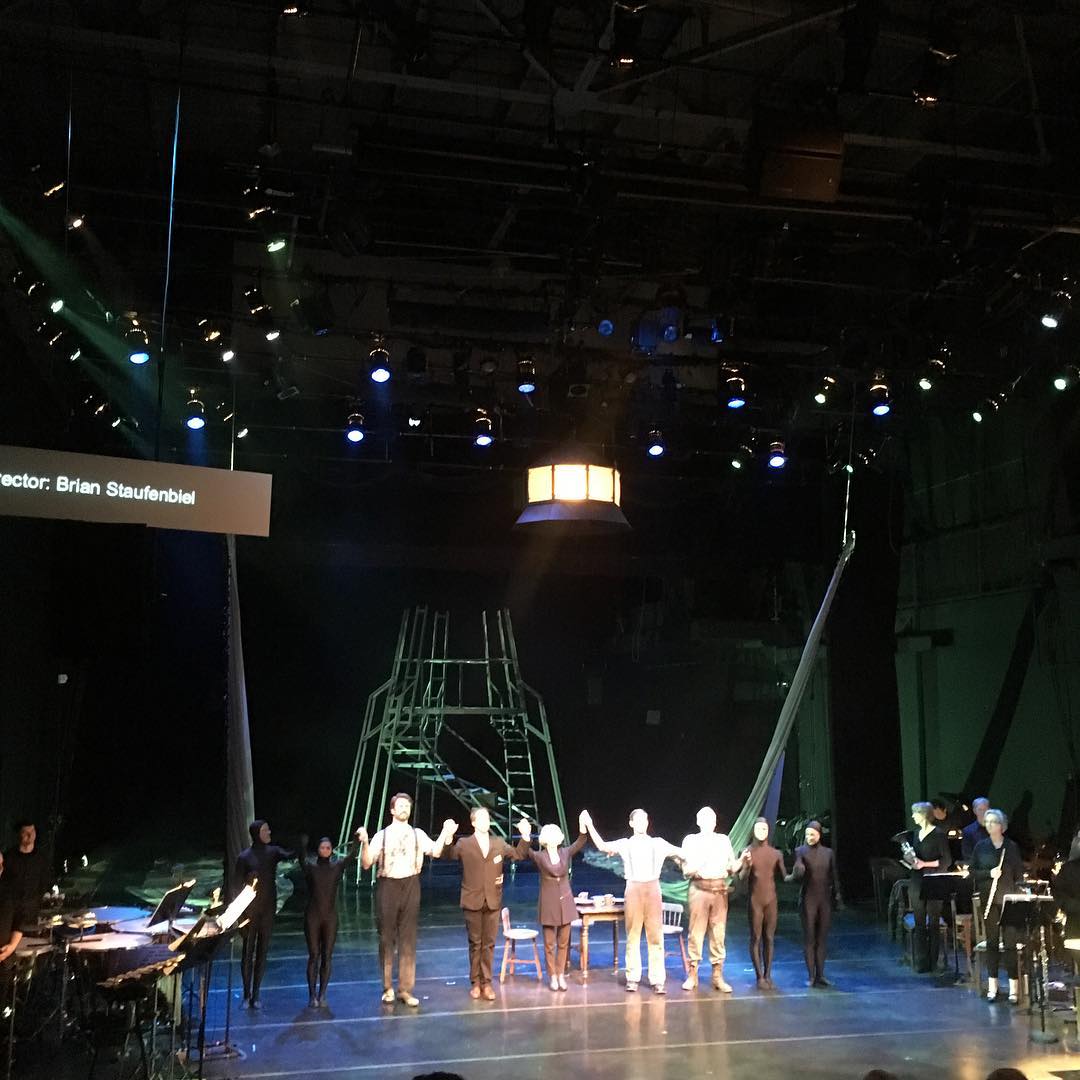
Champion: An Opera in Jazz had an impressive opening last night in San Francisco. As always, Opera Parallèle, which co-produced the 2013 work with SFJAZZ, gave an impeccable performance as far as playing, singing, and production values. Based on the life of bisexual boxer Emile Griffith, Terence Blanchard's music has much to recommend it, but it is hardly a perfect work and the libretto from Michael Cristofer can sound trite.The piece shifts from different time periods, so there are three singers that play Emile Griffith, often even at the same time as the character remembers his past. All of the singers are very compelling. Bass Arthur Woodley is Griffith as an elderly man suffering from dementia, his voice is warm and rich, and his performance is sympathetic and haunting. Bass-baritone Kenneth Kellogg as Griffith in his prime has a lighter sound, but is no less convincing. Sharing the role of Little Emile with Evan Holloway, Moses Abrahamson sounded utterly angelic.
Everyone else was fantastic as well, including the twelve person chorus that played paraders, reporters, and boxing fans. Standouts included Robert Orth as Emile's trainer Howie Albert and Karen Slack as his mother Emelda Griffith. The way both of these singers wholly embodied their characters was completely convincing.
Maestra Nicole Paiement seamlessly conducted a small orchestra of twenty-six and a jazz trio. The music has some wonderful percussion, and the upbeat ensembles were particularly good, including a trio from Kellogg, Slack and Orth in Act I. The drama is weirdly static perhaps because we are seeing much of the action through a main character that clearly has brain disease. The pacing could be sluggish, making the opera, which is only 145 minutes of music, feel long, perhaps because some of the words did not sit well with the vocal lines.
Director Brian Staufenbiel has created a characteristically stylish production, using layered platforms and screens to dazzling effect. The video projections took us through the ten scenes without being overwhelming, cheesy, or confusing.
* Tattling *
There was a small child (apparently a student of percussion) in the audience two rows ahead of me (Row H Seat 18 or thereabouts) that managed to be quiet the entire opera.Leave a comment
-
September 26- October 27 2016 : Tristan und Isolde
September 27 2016- May 11 2017: Don Giovanni
September 28 2016- January 14 2017: La Bohème
October 4-29 2016: L'Italiana in Algeri
October 18- November 12 2016: Guillaume Tell
October 28- November 17 2016: Jenufa
November 5 2016- April 20 2017: Aida
November 14- December 10 2016: Manon Lescaut
December 1-29 2016: L'Amour de Loin
December 5-28 2016: Salome
December 12 2016- January 7 2017: Nabucco
December 20 2016- January 5 2017: The Magic Flute
December 31 2016- March 18 2017: Roméo et Juliette
January 9-February 11 2017: Il Barbiere di Siviglia
January 20-April 27 2017: Rigoletto
February 2- March 2 2017: Rusalka
February 10-28 2017: Il Puritani
February 16- March 9 2017: Werther
February 24- April 14 2017: La Traviata
March 6-25 2017: Idomeneo
March 16- April 8 2017: Fidelio
March 30- April 22 2017: Eugene Onegin
April 13- May 13 2017: Der Rosenkavalier
April 25- May 12 2017: Der Fliegende Holländer
May 2-13 2017: Cyrano de BergeracThe Met announced the 2016-2017 season today. There will be 225 performances of 26 operas, including six new productions. The new productions are Tristan und Isolde, Guillaume Tell, L'Amour de Loin, Roméo et Juliette, Rusalka, and Der Rosenkavalier.
Leave a comment
-
* Notes *
My review of Opera San José‘s Carmen is up on San Francisco Classical Voice.* Tattling *
The audience was very happy for this performance, though it was odd to note someone behind me on the orchestra level that was surprised the opera is in French.Leave a comment
-
San Francisco Symphony presenting Hitchcock's Vertigo with the score being played live by the orchestra this Friday and Saturday. We spoke to SF Symphony's Associate Director of Artistic Planning Richard Lonsdorf, who programmed the film series.There have often been silent films with the scores played live around Halloween for some years, but The San Francisco Symphony film series started in 2013-14, was it with the Hitchcock film week? How did this come about?
The film series came about for a few reasons, first and foremost out of a desire to find new audiences and bring some more multimedia elements to the symphony experience. Around this time, many of the independent producers we work with were beginning to develop symphonic film projects, so it seemed possible to put a stake in the ground around films with orchestra as an "evergreen" project. There were a critical mass of Hitchcock titles back in 2013, so that was a great place to start. Hitchcock was also famous for making the music a central character in his narratives, which comes off beautifully in this context. The available titles have only grown since then, so it's an exciting project every year to whittle them down into the ones we select for our audiences.What is the place of a film series like this in the larger scope of the San Francisco Symphony season? Is it meant to draw a different audience than the typical classical music concert goer?
We do hope to find new audiences with this series, and so far, it seems we have! The way I see it, for people who are unfamiliar with symphonic repertoire, connecting our wonderful orchestra to a beloved film with a great score is a perfect "first step" for someone to come and see us. We know they'll come away with a great experience and a familiarity with what a visit to the Symphony entails, which leads to less of a "threshold fear" about visiting us in the future.Are there specific reasons you are revisiting Vertigo beyond the obvious fact that it is set in San Francisco?
Its San Francisco setting is the main reason it's coming back so soon! It's also one of the best film scores of all time and a great film overall, but much like we revisit favorite classical masterworks from time to time, I think it's appropriate to have a few local favorite films reappear. I'm certainly excited to see and hear it again!Are there particular technical challenges with having the Symphony play with a film that isn't silent and usually isn't accompanied by a live orchestra?
There's a lot of technical wizardry involved in scrubbing the soundtrack from the film print so that we are just left with the dialogue and sound effects, and honestly, I'm far from the best person to articulate exactly how that is achieved! But once you have a "clean" print, there are a series of visual signals the conductor follows on a special screen by the podium (you can watch for these during the performances), in addition to a "click track" (or metronome pulse) in the ears of all the players for certain projects. These technologies were all developed to help synchronize the orchestra with the film and are in fact very similar to how films scores are recorded in the studio as well.It's delightful that Kim Novak is going to be at Davies for a pre-concert conversation with Steven Winn. How did you convince her to speak before the presentation?
She approached us, actually! She doesn't live too far from the Bay Area, and so she got in touch about attending the screenings (the second performance falls on her birthday). Our conversation evolved into sharing some of her experiences with our audiences, and Steven Winn is the perfect moderator for that conversation. We all think it will be great fun and an exciting opportunity to hear from a legendary actress about an iconic film.Leave a comment
-
* Notes *
My review of Island City Opera's Rigoletto at the Elks Lodge in Alameda is up on San Francisco Classical Voice.* Tattling *
I was surprised how fine the singing was in this opera and how many people attended.Leave a comment
-
Sopranos
Adelaide Boedecker, Sarasota, Florida
Sarah Cambidge, Vancouver, Canada
Teresa Castillo, Denver, Colorado
Yelena Dyachek, Vinnytsya, Ukraine
Mary Evelyn Hangley, Long Beach, New York
Shannon Jennings, Orlando, Florida
Jana McIntyre, Santa Barbara, CaliforniaMezzo-Sopranos
Tara Curtis, Kansas City, Missouri
Chelsey Geeting, Portland, Maine
Taylor Raven, Fayetteville, North Carolina
Alexandra Schenck, Long Beach, CaliforniaCountertenor
Aryeh Nussbaum Cohen, Brooklyn, New YorkTenors
Isaac Frishman, Omaha, Nebraska
Josh Lovell, Victoria, British Columbia, Canada
Brian Michael Moore, Cincinnati, Ohio
Amitai Pati, Auckland, New Zealand
Boris Van Druff, Olean, New York
Kyle van Schoonhoven, Lockport, New YorkBaritone
Andrew G. Manea, Troy, MichiganBass-Baritones
Nicholas Boragno, Newport Beach, California
Cody Quattlebaum, Ellicott City, Maryland
Josh Quinn, Tampa, FloridaBass
Matthew Anchel, New York, New YorkApprentice Coaches
Jonathan Brandani, Lucca, Italy
John Elam, Cleburne, Texas
Noah Palmer, Baltimore, Maryland
Nicolò Sbuelz, Udine, Italy
Jennifer Szeto, Calgary, Alberta, CanadaApprentice Stage Director
Aria Umezawa, Toronto, Ontario, CanadaThe Schwabacher Summer Concert at the San Francisco Conservatory of Music is on Thursday, July 7. The free outdoor afternoon Schwabacher will be held at Yerba Buena Gardens on Saturday, July 9.
The Merola artists perform Conrad Susa's Transformations on Thursday, July 21 and Saturday, July 23 and Mozart's Così fan tutte on Thursday, August 4 and Saturday, August 6. All of these operas are to be performed at the San Francisco Conservatory of Music.
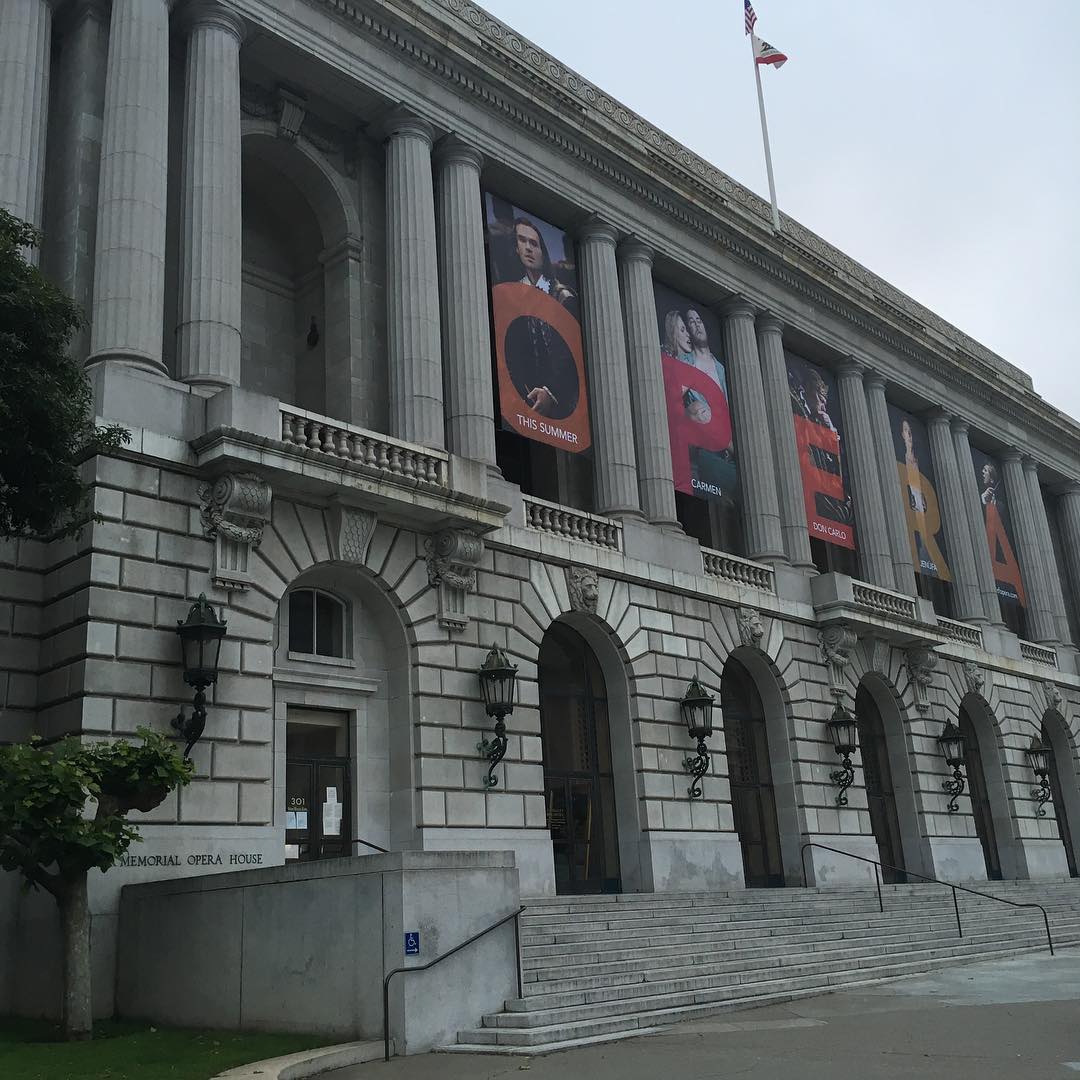
The season ends with the participants singing in the annual Merola Grand Finale on Saturday, August 20 at the War Memorial Opera House.
Leave a comment
Leave a comment