• 2425-Concerts-JohnAdamsCarminaBurana-Brandon-Patoc_0053* Notes *
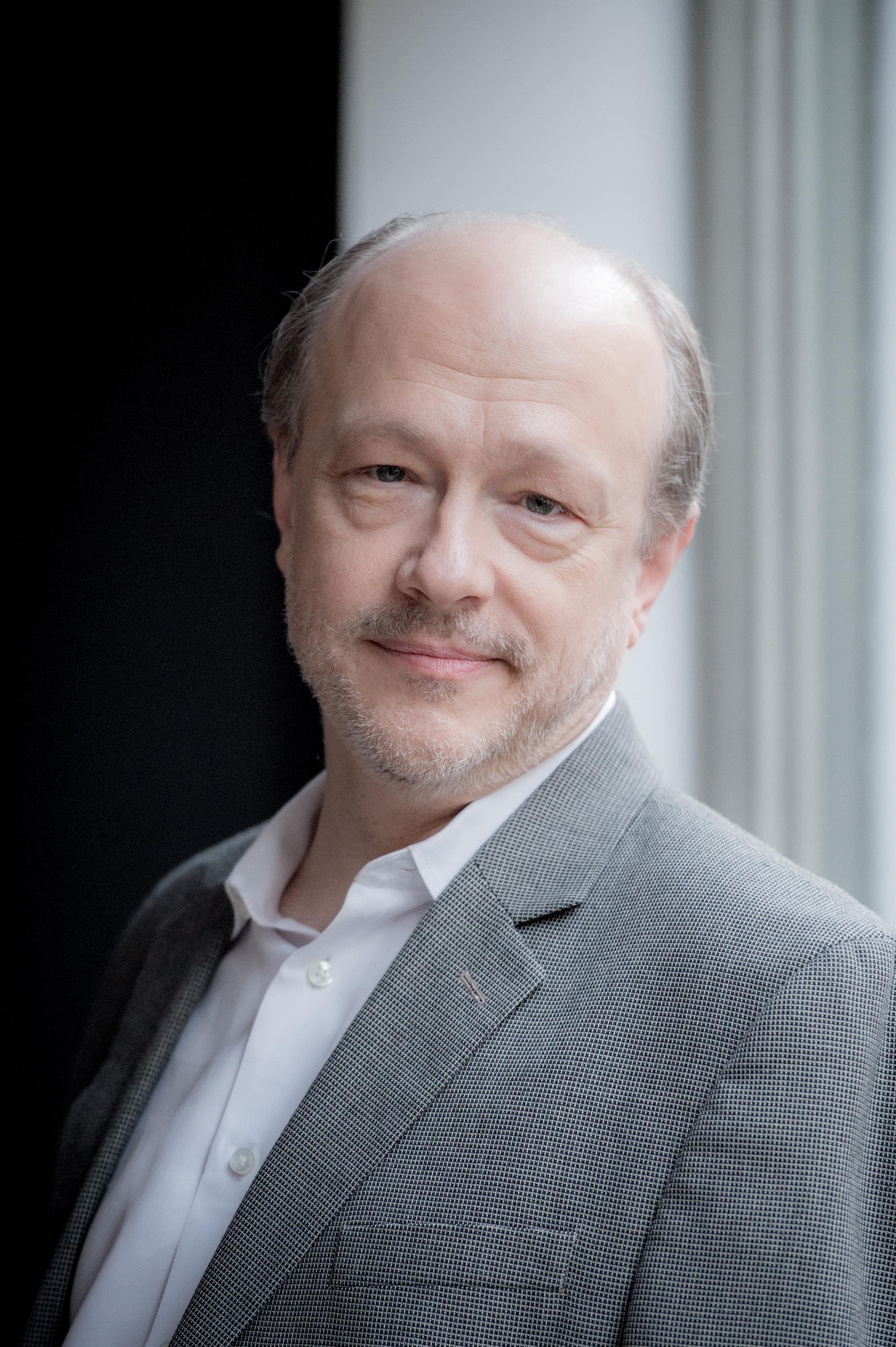
    San Francisco Symphony gave the world premiere of John Adams’ piano concerto After the Fall (2024) with Víkingur Ólafsson as the soloist last Thursday with two following performances this weekend. The orchestra was very much together with Maestro David Robertson (pictured on the left with Adams in the center and Ólafsson on the right, photograph by Brandon Patoc) at the helm during the performance I attended last night.

    The music swirled and buzzed, and I had the very weird sensation of pinpricks in my ribcage from the various sounds. The orchestration was dense, there were lots of percussionists and two harps. Ólafsson’s playing is clear and direct. The piece references the C minor Prelude from the first book of Bach’s The Well-Tempered Clavier, and this is highly enjoyable. Ólafsson certainly is well-suited as soloist here, having recently done a world tour of the Goldberg Variations.

    The program was quite eclectic, as the piano concerto is only 27 minutes. The evening started with Charles Ives’ The Unanswered Question, which sounded very shimmery. The trumpet soloist did well, as did the flutes.

    2425-Concerts-JohnAdamsCarminaBurana-Brandon-Patoc_0109The second half of the performance gave us Carl Orff’s bombastic cantata, Carmina burana. The chorus sounded extremely strong and cohesive, and the San Francisco Girls Chorus was likewise very lovely. Robertson kept everyone in line without dampening the high spirits and vibrancy of this piece.

    I felt worried for the baritone soloist, Will Liverman, who has a pretty reed-like sound but sometimes sounded a fragile, as if it would crack. He did have a bad moment early on but mostly held it together. Tenor Arnold Livingston Geis also had a plaintive voice that bordered on a whine, his “Olim lacus colueram” was somehow funny, his physical presence garnered laughs especially when entering and exiting the stage. Soprano Susanna Phillips was certainly strongest, her lucid, icy tones could always be heard over the orchestra.

    * Tattling *
    The audience was quiet for the Ives and Adams, a contrast to the Berkeley audience for Ólafsson’s Goldberg Variations performance last year.

    There were some disturbances during the Orff, a few people dropped metal bottles and I heard a lot of velcro at a certain point.

    Leave a comment

  • OSJ_La-Boheme_7480_Photo-Credit_David-Allen-scaled


    * Notes * 
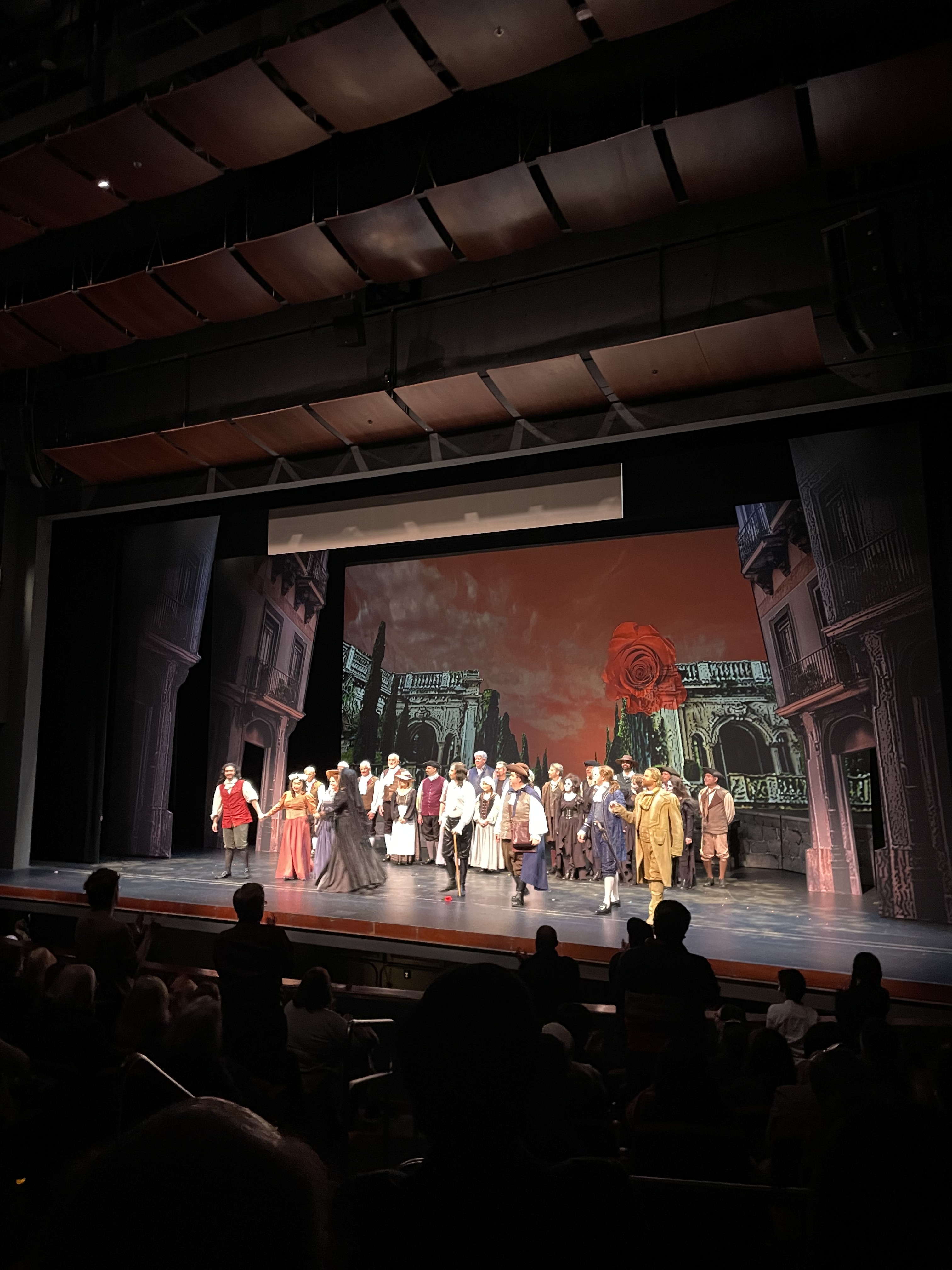
    La Bohème (Kearstin Piper Brown and WooYoung Yoon pictured in Act IV, photograph by David Allen) closed at Opera San José last weekend with a youthful cast and beautiful singing. The traditional production doesn’t make for the smoothest transitions but looks very nice.

    The scenic design, from Kim A. Tolman, completely looks like Paris in the 1840s and Alina Bokovikova’s costumes are attractive, but were perhaps from a later time period. The set is somewhat clunky, and we waited a long time between Acts I and II, plus there were two intermissions rather than just the one in the middle. Directed by Michelle Ainna Cuizon, the action kept to the libretto and seemed perfectly sensible. This would have made a very nice first opera outing.

    Conducted by Johannes Löhner, the orchestra had issues with staying together, despite Puccini’s forgiving score it was obvious when the musicians did not start at the same time.

    The young singers looked very appropriate for their roles. Bass Younggwang Park makes for a dashing Colline, he seemed slightly quiet from the stage, but was extremely loud when he sang from the audience at the end of Act I. He did his Act IV aria from the balcony of the garret, and this was favorable to his voice, he did well. Bass-baritone Jesús Vincente Murillo was occasionally underpowered as Schaunard also, but is a fine actor. Bass-baritone Philip Skinner was great as both Benoît and Alcindoro, his voice is strong and he clearly differentiated  his two characters.

    Soprano Melissa Sondhi is very funny and fiery as Musetta, her Act II aria was lovely and her fighting with Marcello in Act III made for a good contrast with the principal couple of the opera. Her sound is sweet and warm. Baritone Kidon Choi (Marcello) was singing even though he was ill, but I would have never known if it hadn’t been announced before the performance. Choi has a cheery disposition that works a lot better for this role than for Scarpia, which he sang from this stage last year.

    Tenor WooYoung Yoon has a bright, almost brassy sound as Rodolfo. Best of all was certainly soprano Kearstin Piper Brown as Mimì. She has such a pure radiance, a silvery tone without any harshness.

    Tattling * 
    The audience was very engaged. We sat behind the baritone Efraín Solís, whom many patrons wished to speak to. The music director was slightly late in getting to his seat before the last act, and ran across the space in front of the first row right before the music started.

    There was a service dog who shook himself out at least three times during the first third of the performance and made quite a lot of noise doing so. Thankfully whatever tags that had been jingling were either removed or muffled for the rest of the time.

    Leave a comment

  • La-Flora-Opera-San-Francisco-_Valentina_Sadiul-1080x675* Notes * 
    Ars Minerva gave the modern premiere of Antonio Sartorio and Marc'Antonio Ziani's 1681 La Flora last weekend at ODC Theater in San Francisco. The Sunday matinée was delightful, the music kept moving, the playing bracing but buoyant, and the singing absolutely beautiful.

    The libretto, written by Novello Bonis, deals with historical figures from the Roman Republic in a very convoluted plot that includes overlapping love triangles. The dictator Silla has just put down a rebellion with the help of the Roman general Pompeo. Silla wants his son-in-law, another Roman general named Servio,  to divorce Silla's daughter Emilia because he wants to marry her to Pompeo. Unfortunately, Pompeo loves our titular Flora and Emilia loves her husband. Pompeo's friend Geminio also loves Flora and Pompeo's father Strabone wants his son to marry Emilia. Flora almost manages to seduce the dad, Flora and Pompeo fight and make up multiple times, and there is a conspiracy against Silla from Servio that ends in the latter's death.

    The singing was very lovely. Tenor Maxwell Ary is funny as Flora's servant Probo, he's charming and his voice is pretty. Tenor Sidney Ragland was more authoritative as Strabone. Mezzo-soprano Nina Jones was perfectly clean and clear as Geminio, their sound is resonant and sweet. Bass Wayne Wong is convincing as dictator Silla.

    Contralto Sara Couden is always impressive with her effortless sound, and did well as Servio. Soprano Aura Veruni has a fine physical presence, her mocking of Pompeo was hilarious. She also has a lot of control and nuance, and can sound jealous, angry, or smitten quite clearly in her voice.

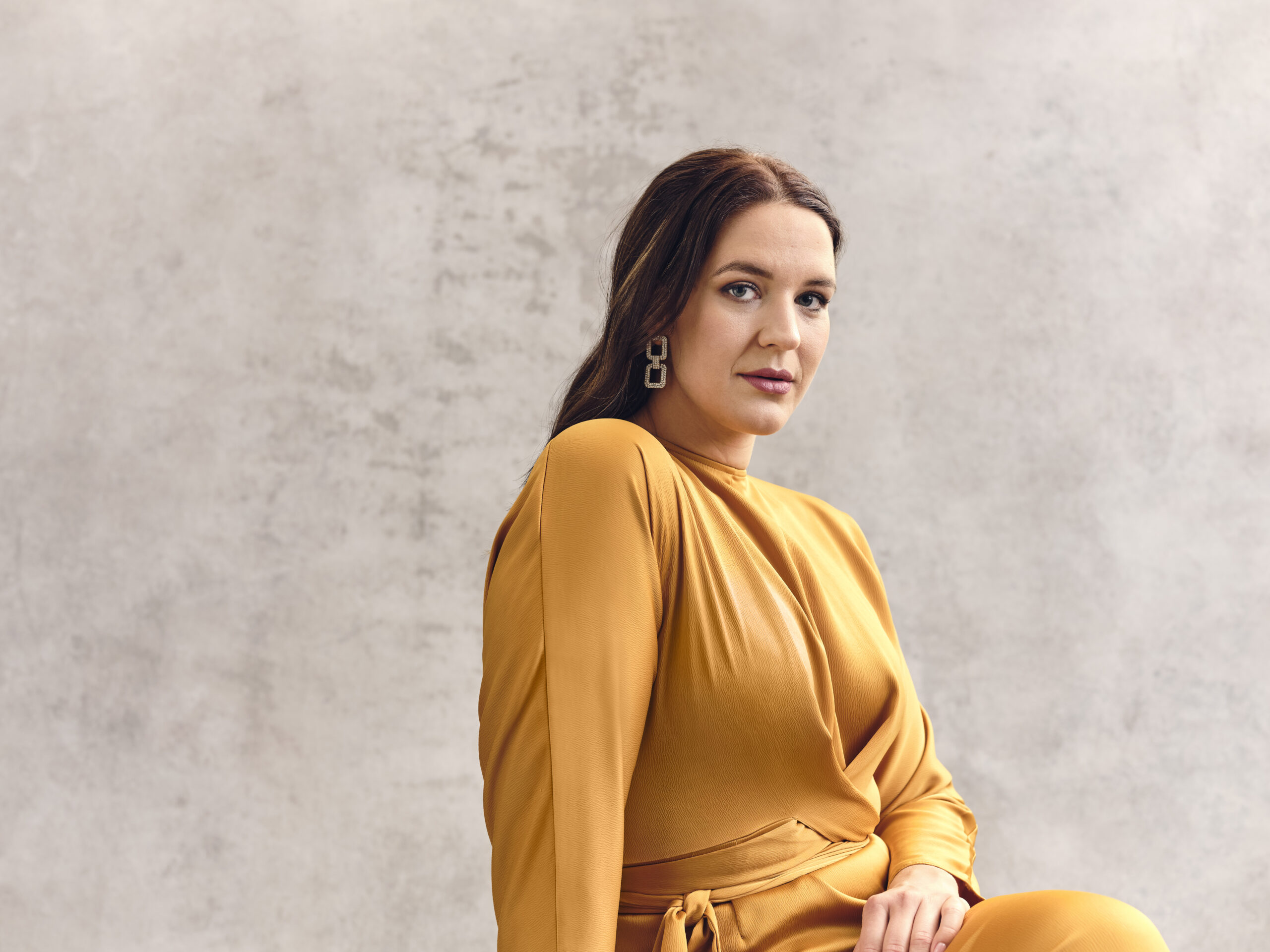
    Contralto Jasmine Johnson (Pompeo) has some incredible low notes, and truly sounded like a baritone at times. Soprano Alexa Anderson (pictured) is a seductive Flora, with a lucid and brilliant tone. It was amusing to see how many costume changes she had, in one-shouldered gowns or lots of sequins.

    The staging was tame by Ars Minerva standards, but this served the opera well given how complicated the plot was. There were the usual video projection backdrops that looked blurry but realistic and the costumes looked contemporary. There were cell phones that were pulled out by the singers and Amazon boxes, so it seems the action was moved to present day.

    The orchestra, led by harpsichordist Matthew Dirst, was two violinss, two violas, a cello, theorbo, and saved from being utterly dry by the trumpet.

    * Tattling * 
    There were a number of latecomers at the beginning of the first act, and most if not all of them had to climb over people to get to their seats. There was also someone in the last row who kept using their cellular phone, which angered another person who very audibly insisted it be shut off at least twice in Act I.

    Leave a comment

  • Sfopera-carmen-escamillo-horse* Notes * 
    A revival of Carmen opened last night at San Francisco Opera with some very fine singing and lively, brisk playing. Francesca Zambello's 2006 production is both pretty and functional, there is never a pause in the music to set up the stage.

    Conductor Benjamin Manis had the orchestra at a quick pace. The music was not particularly crisp and there were some moments that were not fully together, but it did not detract much from Bizet. The harp and cornets were particularly strong. 

    At this point I have seen Zambello's staging three times, and it definitely holds up and does the job. It's not as interesting as Bieto's production we saw in 2016, no stage entrances from telephone booths or people being thrown in the air, but it does have a horse. Drogen (pictured with Christian Van Horn and the chorus, photograph by Cory Weaver), the 18-year old Gypsy Vanner gelding that appears in Acts II and IV and remained calm despite the excitement from the audience.

    The cast has many powerful singers. The Adlers did well, baritone Samuel Kidd was a fine Moralès and has a good sense of physicality in the scene when Micaëla is looking for Don José. Bass-baritone James McCarthy was also strong as Zuniga, brash and confident. It was fascinating to hear mezzo-soprano Nikola Printz sing Mercédès rather than Carmen, as they have often done the title role at smaller opera companies. Soprano Arianna Rodriguez is a charming Frasquita, such a lovely, dulcet voice.

    Soprano Louise Alder is a bit matronly for Micaëla, her voice is neither angelic nor sweet, but she certainly could be heard. Bass-baritone Christian Van Horn is convincing as Escamillo. His sound is consistent throughout his range and his volume was good. 

    Sfopera-carmen-ovationIn the title role, soprano Eve-Maud Hubeaux has a dramatic and smooth sound, her voice is like a live ember. Her sensuality came through her singing rather than her movements, which were awkward and stilted. Her French is very clear, and it is obvious this is her native language. Tenor Jonathan Tetelman is a dashing Don José, his voice is very robust, but he has good technique and can vary his dynamic range.

    * Tattling * 
    I heard this opera up in balcony standing room. The house looked very full, and I did notice a fair amount of whispering and checking the time on cellular devices. The young man in Row L Seat 8 looked at his phone for several minutes in Act II during the quintet. I was relieved that he left with his date at intermission.

    Leave a comment

  • Sf-opera-tristan-2024jpg * Notes *
    San Francisco Opera presented a 2012 production of Tristan und Isolde (Act II pictured, photograph by Cory Weaver) from La Fenice for the second time last night. The orchestra sounded utterly clear and beautiful under Maestra Eun Sun Kim.

    Kim has the orchestra sounding transparent, every line is palpable. You can feel the music perfectly stacked up and almost see it, but it still feels very alive. The strings shimmered, the woodwinds plaintive, the harp sumptuous. The brass only had one blunder in Act II, but otherwise was very good. The soli seemed effortless, English horn soloist Benjamin Brogadir and holztrompete soloist John Pearson were great.

    The staging is dull, there is a lamp that moves with the waves and the box with potions that lights up in Act I, and those were the most interesting elements of the whole set for me. Act II features a bulbous tree and Act III is a destroyed version of Act I sans lamp or box.

    There was some strong singing. The chorus sang well, cohesive and together as ever. Tenor Christopher Oglesby sounded lovely as A Shepherd and a Sailor. His “Westwärts schweift der Blick” that starts of the opera is still in my ears, and was very haunting. Bass Kwangchul Youn is a moving, sympathetic King Marke.

    Mezzo-soprano Annika Schlicht has a deep, textured voice that contrasts well with the soprano, one could never mistake one for another. Her Brangäne is believable. heart-wrenching as Amelia. Baritone Wolfgang Koch is a little light as Kurwenal, it was hard to hear his low notes over the orchestra.

    Tenor Simon O’Neill made it through the opera as Tristan, his timbre is reedy and not baritonal in the least. At his best he borders on sweetness but lacks warmth. He did sound best in the last act and considering how much he has to sing, it was impressive. Soprano Anja Kampe is strong as Isolde, her high notes are incisive without being ugly and her resonant lower register is well-supported.

    * Tattling *
    Because this opera has no cuts and runs 4 hours and 44 minutes, the performance started on time.

    The audience was pretty quiet, there was little chatter or electronic noise. People did drop a lot of stuff though, bottles, purses, and the like.

    Leave a comment

  • _MG_6553 Marie get a gun srgb N4C* Notes *
    Livermore Valley Opera‘s La fille du régiment (Act I pictured with Véronique Filloux and Eugene Brancoveanu) ends today. The opera is extremely cute and this production has some fine singing.

    Directed by Marc Jacobs, the staging is simple, with a video projected background and a few props. I enjoyed the rocks that became a bar, and also used as a set for some puppets reenacting Tonio saving Marie in Act I. In Act II there was the addition of pillars, chairs, a desk, and a piano, which garnered applause.

    Maestro Alexander Katsman presided over the small orchestra. There isn’t anywhere to hide, since there are so few players, and every mistake was obvious. The singers were most prominent, there are so many good singers in our region, and it was fun hearing them sing in this Donizetti opera that isn’t performed as frequently as some others. The chorus is likewise tiny, but the singers kept themselves very much in unison.

    Mezzo-soprano Lisa Chavez has a rich, deep voice that seems to rise from her feet. She’s convincing as the Marquise de Birkenfeld. Baritone Eugene Brancoveanu is sympathetic as Sulpice, his sound is as robust as ever, very plush toned and pleasant. He’s quite avuncular, which works well for this role.

    Tenor Chris Mosz always seemed at ease as Tonio, those high notes were well within his reach. His vibrato is a touch wide and his timbre is slightly thin, but he did great with his difficult aria “Ah! mes amis, quel jour de fête!” Soprano Véronique Filloux was completely charming in the title role. Her Marie has a lot of sass and a beautiful resonant sound. Her French diction was extremely clear as well.

    *Tattling *
    The audience was quiet and no electronic noise was noted.

    A Taste of Africa was happening in the plaza of the Bankhead Theater, so we could sometimes hear the performances a little when the music of the opera was quiet, but it was not that distracting.

    Leave a comment

  • OSJ-Magic-Flute-1-2024* Notes * 
    A delightful revival of The Magic Flute (Act II pictured, photograph by David Allen) opened at Opera San José about a week ago, but I attended yesterday's matinée. The production is cute, the singing is great, and the conducting from Maestra Alma Deutscher was strong.

    The stage within a stage production designed by Ryan McGettigan and directed by Brad Dalton is very charming. The singers all did a fine job and there were a lot of laughs for the Three Ladies, Papageno, Monostatos, and Papagena. The children dancing from Antara Asthaayi Dance were adorable and funny.

    The biggest issue was switching from sung German to spoken English, I do wish they had just picked one language, it's very confusing to go back and forth.

    The conductor, 19-year-old Deutscher, got a good sound out of the strings and had the orchestra sounding more cohesive and focused than usual. There were a few moments when things did seem to fall apart, but Mozart's music is very unforgiving, and the orchestra did find its way again.

    All Three Ladies sounded nice, but especially soprano María Brea as First Lady. Her clarity is pleasing. Bass-baritone Philip Skinner (Speaker) was authoritative, and while bass Younggwang Park has a lovely voice, his Sarastro lacked a certain gravitas. Tenor Nicolas Vasquez-Gerst did the Running Man as Monostatos, and was truly a hoot. His voice is a bit quiet.

    On the other hand, baritone Ricardo José Rivera is rather loud, and he gave a hilarious performance as Papageno. His Papagena, soprano Nicole Koh, has a powerful, silvery tone, and I could see her singing Queen of the Night, which she will do on September 29th. She can jump very high, which was impressive. Our Queen of the Night was soprano Emily Misch, who has the appropriate iciness and fine intonation for the role, though her voice is on the thin side.

    Soprano Melissa Sondhi makes for a pretty Pamina, she is a little uneven, but at her best her tone is warm and creamy. Tenor WooYoung Yoon was very consistent as Tamino, he has a plaintive, reedy sound with good volume.

    * Tattling * 
    The audience was enthusiastic. I did hear a lot of electronic noise and talking, but there was a fair amount of hushing from audience members as well.

    Leave a comment

  • Handmaid-sfopera-2024-1* Notes *
    San Francisco Opera gave the West Coast premiere of Poul Ruders' The Handmaid's Tale last night. The piece is an impressive theater experience, compressing the more than 300 pages of Margaret Atwood's novel into less than 3 hours.

    The co-production was first shown at The Royal Danish Theatre (Det Kongelige Teater)  in 2022. The single unit set (pictured. photograph by Cory Weaver), from Chloe Lamford, is stark and effective. There are lots of scene changes but they all go smoothly with the use of lighting, projections, and scenic elements lowered from above the stage. Lemford also designed the rotating set for last summer's Innocence, which is a tough act to follow, since that was so incredible.

    Often times with contemporary opera, time can seem expanded, since it takes so long to sing rather than speak, especially if lines are repeated, as they often are in music. Poul Ruder's work, which dates from 2000, felt quite the opposite, it was engaging and there was so much narrative to be gotten through, it almost felt like there was not a moment to be bored, we were breathlessly racing off to the next thing.  The use of flashback in this opera helps to show the story rather than tell it. Our main character, Offred, has a double and with the projections and context, this makes for potent storytelling. Maestra Karen Kamensek had the orchestra playing together and robustly. There is lots of percussion and brass in this sinister music, and my ears were ringing by the end. The singers and electronic keyboard were amplified.

    There are a ton of singers in this opera, 19 principals in fact, and many familiar to the San Francisco Opera audience. I particularly liked hearing mezzo-soprano Gabrielle Beteag as Offred's mother and soprano Rhoslyn Jones as Ofglen, both are former Adlers. Beateag is rich and strong, while Jones has a piercing quality that works for her role. Soprano Sarah Cambidge was very disturbing as Aunt Lydia, her high, powerful voice felt like it was pervading my body. It was unnerving.

    Handmaid-sfopera-2024-2Bass-baritone John Relyea (Offred’s Commander) was appropriately gravelly, but also warm. Mezzo-soprano Lindsay Ammann gave a pure-toned performance as Serena Joy, seeming very much to embody this unhappy wife and former television gospel singer.  Mezzo-soprano Irene Roberts (pictured, photograph by Cory Weaver) has incredible stamina, as Offred, she is in every scene and sang with a lot of unflagging power. Her voice has an interesting icy quality that is distinct from the other mezzos on the stage.

    * Tattling *
    I read Atwood's book when I was a young adult, in one sitting. It was compelling but I also remember not liking it, finding it hard to relate to and somewhat shrill. I was surprised how much of it I still remembered after a couple of decades.

    In this production, the opera is set in the near future of 2030. The 1980s old man names are not realistic in this case, as I hardly know anyone named "Fred" or "Glen" or "Warren."

    The audience was mostly fine, but I did hear a few cell phone rungs pretty much any time the music was quieter, so at least 3 times.

    Leave a comment

  • Sfopera-ballo-1* Notes *
    San Francisco Opera's latest season opened last night with a beautifully sung Un Ballo in Maschera. The 2016 production from Teatro dell'Opera di Roma was decidedly lackluster.

    The orchestra sounded lucid under the baton of Maestra Eun Sun Kim, and I look forward to hearing this again. The playing wasn't completely precise, but Kim clearly has a vision for the shape of the music. The soli were absolutely gorgeous, both English horn soloist Benjamin Brogadir and cello soloist Evan Kahn played well.

    The new to San Francisco staging had moments, like ball scene (Act III, Finale pictured, photograph by Cory Weaver) with charming dancers and lots of silvery confetti. But for the most part, the scenes were not striking, especially Act II, which takes place on the outskirts of town. There were a bunch of tree remnants and lots of steam, and the lighting would change different colors. It reminded me of a spooky version of the Field of Light in Paso Robles. Two of the three scene changes happened by lowering the curtain and putting up the supertitle about staying at one's seat during the brief pause.

    Sfopera-ballo-2024-2Thankfully the singing was all very lovely. Strongest was Michael Fabiano (pictured in Act I, photograph by Cory Weaver) as Gustavo III. His voice is brilliant and he sings with ease. His Act II aria "Ma se m'è forza perderti" was especially beautiful, and his death scene was touching.

    Soprano Lianna Haroutounian was heart-wrenching as Amelia. Baritone Amartuvshin Enkhbat was impressive as Renato, his full voice conveys anger without being ugly.

    Soprano Mei Gui Zhang was a sparkling, very cute Oscar.in contrast to mezzo-soprano Judit Kutasi as Madame Arvidson, who was gritty and dark.

    Even the smaller roles were nicely cast, bass-baritone Jongwon Han and bass Adam Lau were convincing as conspirators Count Horn and Count Ribbing. Baritone Samuel Kidd sounded very fresh and pleasant as Cristiano.

    The chorus sounded cohesive and robust.

    * Tattling *
    The evening began late, the opera itself did not start until 8:30pm. There was a video honoring outgoing Chair of the Board John Gunn. Inexplicably this was followed by the overture to Candide and then the National Anthem. The opening night flowers were shaped into red, purple, and gold masks.

    There were many electronic noises and a fair amount of speaking from the audience, which was hushed by other audience members.

    Leave a comment

  • 1421-scaled* Notes *
    This year's Merola Grand Finale was held last night at San Francisco Opera. It is always interesting to hear singers on the main stage with the full orchestra, conducted here by Steven White.

    The set was from Tristan und Isolde, which opens next month. There were lighting effects and two stagehands would move a bench about in between numbers.I'm not sure how effective director Anna Theodosakis work was, especially with this bench, but it was amusing.

    There were often exaggerated mannered movements in the comedic scenes like soprano Moriah Natasha Berry and baritone Olivier Zerouali in "Pronta io son" from Donizetti's  Don Pasquale  or  bass-baritone Donghoon Kang, bass-baritone Benjamin Sokol, and tenor Angelo Silva in "Pappataci! Che mai sento?" from Rossini's L'Italiana in Algieri (pictured, photograph by Kristen Loken). The singing in this duet and trio was great, all very charming and light. I particularly liked how sweet tenor Silva was.

    The more weighty pieces were most impressive. The quartet "Mir ist so wunderbar" from Fidelio was absolutely lovely. Soprano Hannah Cho is a dainty and hopefully Marzellina, bass-baritone Donghoon Kang sounds very warm as Rocco, and tenor Nathan Bryon held his own. But best of all was soprano Mary Hoskins as Leonora, whose voice is clear and utterly effortless. I also really liked hearing mezzo-soprano Simone Genga (Adalgisa) and soprano Lydia Grindatto (Norma) sing together in "Mira, o Norma…Si fino all'ore estreme."

    There were some more unusual pieces selected, including "Lord, take this wanting from me" from Terence Blanchard's Fire Shut Up in My Bones, Now and at the hour of our death from Jake Heggie's Dead Man Walking, and "Longing for Diamond Mountain" a song in Korean by Young Sun Choi. Baritone Justice Yates did well in the Blanchard, as did soprano Elizabeth Hanje in the Heggie, I definitely would like to hear both these singers again. It was fun to hear the three Korean singers, soprano Hannah Cho, baritone Hyungyin Son, and bass-baritone Donghoun Kang sing in their native language.

    2306-scaledAlso impressive was soprano Alexa Frankian and tenor Giorgi Guliashvili (pictured, photograph by Kristen Loken) in "Tvoyo mol? an'e peponyatno?" from Iolanta.The singing was powerful and moving.

    Our ending piece which has all the Merolini on stage was Noel Coward's "I'll see you again" from the 1929 operetta Bitter Sweet.

    *Tattling * 
    As with last year in lieu of an overture we had talking. The new Executive Director of Merola Sean Waugh spoke first, and three current Adler Fellows (Olivia Smith, Arianna Rodriguez, and Caroline Corrales).

    The audience was quiet and engaged. I was surrounded by blogger friends who all are very well-behaved. The main thing I noticed was that people really want to look at their programs even though it's very dark in the hall during the performance. On the aisles there are lights illuminating the row letter, and many people that could would use this to see where we were in the sequence of the concert.

    Leave a comment