 September 21- October 6 2013: Carmen
October 11-13 2013: Einstein on the Beach
November 9- December 1 2013: Falstaff
November 23- December 15 2013: Die Zauberflöte
February 22- March 16 2014: Billy Budd
March 15- April 6 2014: Lucia di Lammermoor
May 17- June 7 2014: Thaïs
The Opera Tattler
Reviews of Performances and their Audiences
-
-
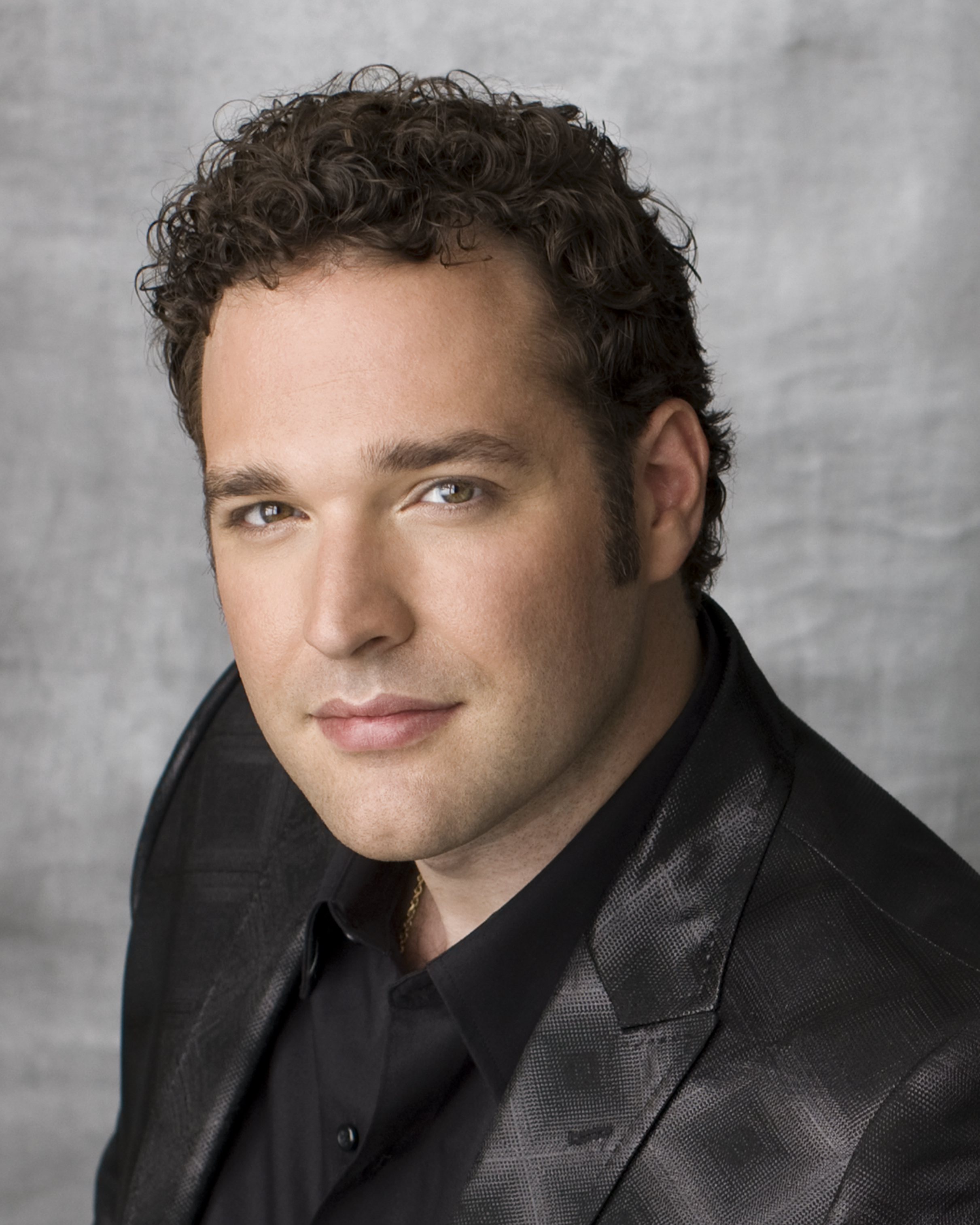
 According to a press release issued today, Bryan Hymel (pictured left, photograph by Dario Acosta) will sing the role of Aeneas in the remaining performances of the Met's Les Troyans this season, replacing Marcello Giordani, who has withdrawn the role from his repertoire. Giordani will return to the Met for Francesca da Rimini in March 2013.
Leave a comment
-
 May 24- June 4 2013: Toshio Hosokawa’s Matsukaze
May 25- June 7 2013: Giordano’s Mese Mariano/ Puccini’s Le VilliThe schedule for the Spoleto Festival in Charleston was announced today. The opera schedule includes the American premiere of Toshio Hosokawa’s Matsukaze, Giordano’s Mese Mariano, and Puccini’s Le Villi.
Leave a comment
-
* Notes *
The Michael Grandage production of Don Giovanni (Act II pictured left, photograph by Marty Sohl/Metropolitan Opera) is currently having a first revival at the Metropolitan Opera. The performance last Saturday was good, but not outstanding. Edward Gardner conducted a lively and speedy orchestra. Raymond Aceto could have sounded more commanding as the Commendatore. Ekaterina Siurina’s voice is creamy and sweet, and seemed perfectly fine for Zerlina. Emma Bell’s Donna Elvira was slightly unhinged, but never out of control. Erwin Schrott was an amusingly silly Leporello.Charles Castronovo (Don Ottavio) has a dark warmth to his voice, but he struggled with some of the high notes. Susanna Phillips was promising as Donna Anna, her voice is strong, but has a nice bell-like quality. Ildar Abdrazakov, on the other hand, lacked brightness in “Fin ch’han dal vino.” It seemed like the role was just a bit high for Abdrazakov, but he projected well for “Deh vieni alla finestra.”
The production dates from last year, yet was not particularly fresh or inventive. The large set is monolithic and rumbles when moved. The handling of Don Giovanni’s descent is certainly the most exciting visual moment, as it uses real fire.
* Tattling *
At least one cellular phone was heard in the Family Circle during Act I.Leave a comment
-
 September 6- October 2 2013: Mefistofele
September 18- October 4 2013: Dolores Claiborne
October 8- November 2 2013: Falstaff
October 22- November 15 2013: Der fliegender Holländer
November 13- December 1 2013: Il barbiere di Siviglia
June 1- July 2 2014: Show Boat
June 11- July 13 2014: La Traviata
June 15- July 9 2014: Madama ButterflyDavid Gockley announced San Francisco Opera‘s 2013-2014 season today. The season starts with Boito’s Mefistofele starring Ildar Abdrazakov, Ramón Vargas, and Patricia Racette. Racette returns for Show Boat and Butterfly in the summer. Dolora Zajick sings the title role in the world premiere of Tobias Picker and J.D. McClatchy’s Dolores Claiborne. Bryn Terfel is Falstaff and Greer Grimsley is the Holländer. Ailyn Perez and Sonya Yoncheva share the role of Violetta in Traviata, with Stephen Costello and Saimir Pirgu as Alfredo.
Press Release [PDF] | Official Site
Leave a comment
-
* Notes *
A revival of Mozart's La Clemenza di Tito (Act II pictured left, photograph by Ken Howard/Metropolitan Opera) opened at the Metropolitan Opera a fortnight ago. Last Saturday I found myself in Family Circle Standing Room for the matinée performance, which was also broadcast live in HD. The cast included those with considerable talent, not least of which was mezzo-soprano Elīna Garanča, who sang the role of Sesto. Garanča's voice is pleasantly light and pretty, but well-supported.Barbara Frittoli made for a comical Vitellia, her voice is somewhat shrill, but not inappropriate for the part, and kept her distinct from the other soprano. Kate Lindsey sang Annio with grace. Lucy Crowe sounded brilliant and sweet as Servilia. Only Giuseppe Filianoti (Tito) disappointed, he sounded a little raveled, and his notes were not precise. That said, the resonances of his voice had warmth, and he seemed less apt to crack than in other recent appearances.
The orchestra played somewhat ponderously under Harry Bicket, who kept time metronomically. The music is quite beautiful and does seem difficult. Bicket never overwhelmed the singers and seemed respectful of the score. The chorus was luminous and together.
Jean-Pierre Ponnelle's 1984 production is functional but still very descriptive. The set is elaborate, but the scene changes are made easily and do not create much noise.
* Tattling *
During Act II, a cellular phone rang when Vitellia confessed her involvement in the plot against Tito.Leave a comment
-
* Notes *
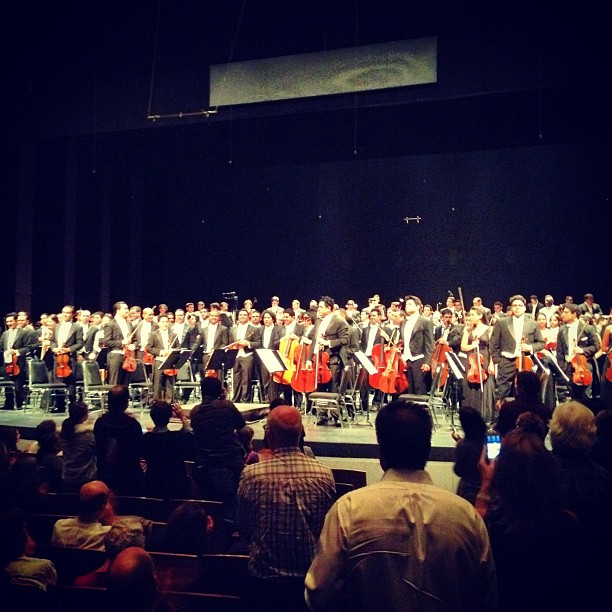
Gustavo Dudamel and the Orquesta Sinfónica Simón Bolívar (pictured left, photograph by Scott Grieder) played the first of two concerts at Cal Performances last night. The program the orchestra is touring right now is entitled "¡MUSICA! A Celebration of Music from Latin America," thus featuring, in this instance, Carlos Chávez, Julián Orbón, and Silvestre Revueltas. The orchestra is huge, so the intensity of the volume is likewise impactful. The orchestra members seemed earnest and serious in playing Chávez's Sinfonia india, the rhythms were all clear. Orbón's Tres versions sinfonicas was, in turns, jaunty, stately, and charming.The orchestra had fun with the Revueltas that followed the intermission, La Noche de los Mayas, which sounded, as one would expect for a concert suite based on a film score, cinematic. The playing was vigorous and all the musicians seemed present in the moment.
The two delightful encores were La Conga del fuego nuevo by Arturo Márquez and "Mambo" from Bernstein's West Side Story. During the latter, the musicians spun around their instruments and even got up to dance.
* Tattling *
Most of the audience was quiet and attentive. There was some of talking between a few elderly people who must not realize how audible their conversations are to those with unimpaired hearing.Leave a comment
-
* Notes *
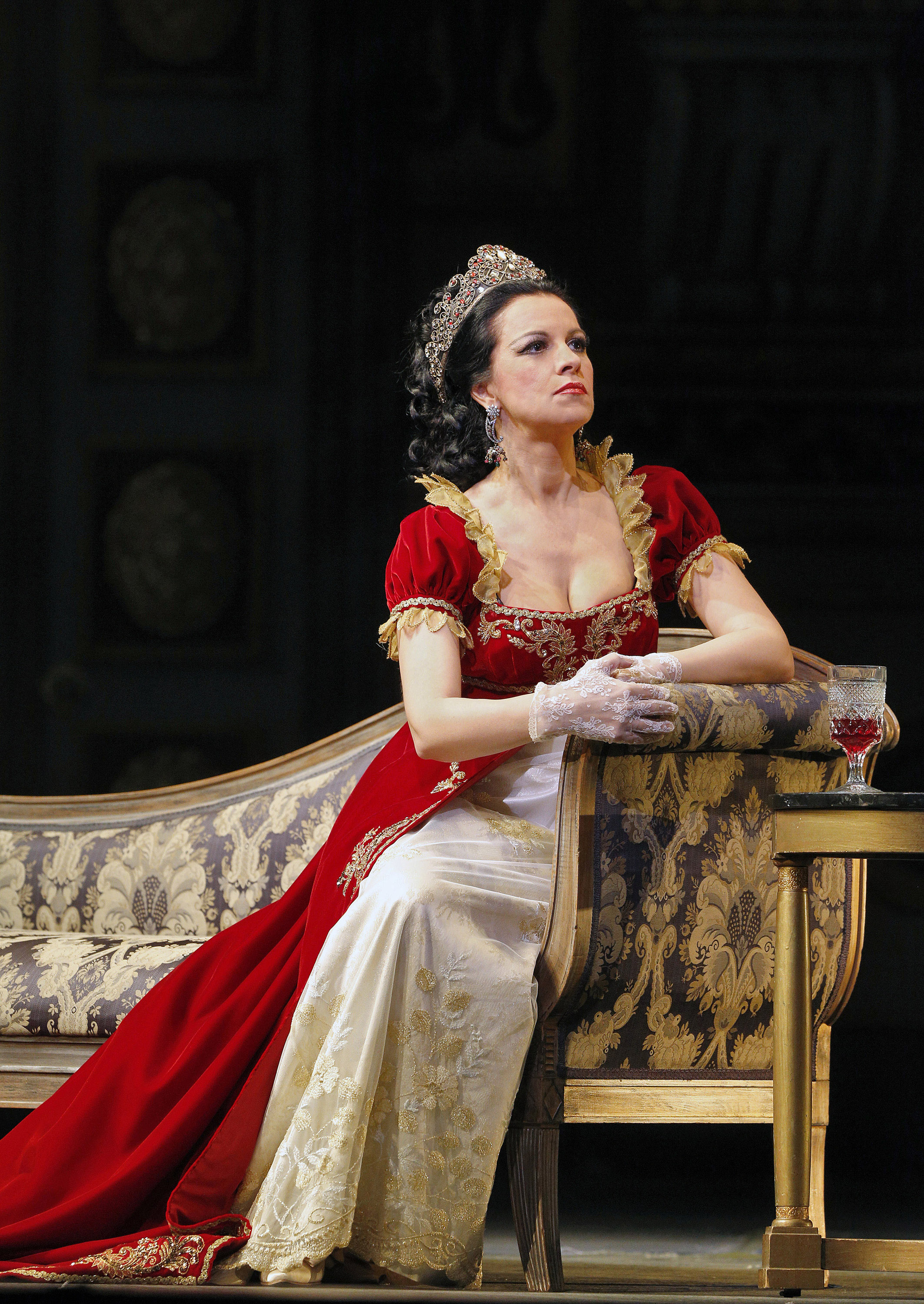
Angela Gheorghiu (pictured left in Act II, photograph by Cory Weaver) sang her fourth complete performance of Tosca at San Francisco Opera last night. Gheorghiu’s voice seems a bit thin for the role, though her sound does have a lovely, silvery quality. Gheorghiu looks stunning in the various costumes, but perhaps her acting relies too heavily on her personal beauty. Her jump at the end was particularly lackluster. The audience seemed to adore her regardless.Massimo Giordano’s Cavaradossi was more solid than before, his voice is pretty and reedy. Somehow he did not inspire ovation for “E lucevan le stelle,” though he did not sing badly. The duet in Act III between Giordano and Gheorghiu went rather awry. Roberto Frontali continued to impress as Scarpia. Maestro Luisotti had the orchestra were more synchronized with the singers, and overwhelmed them less than before.
* Tattling *
The house looked quite full, at least on the Orchestra, Box, and Grand Tier levels.Leave a comment
-
 * Notes *
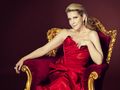
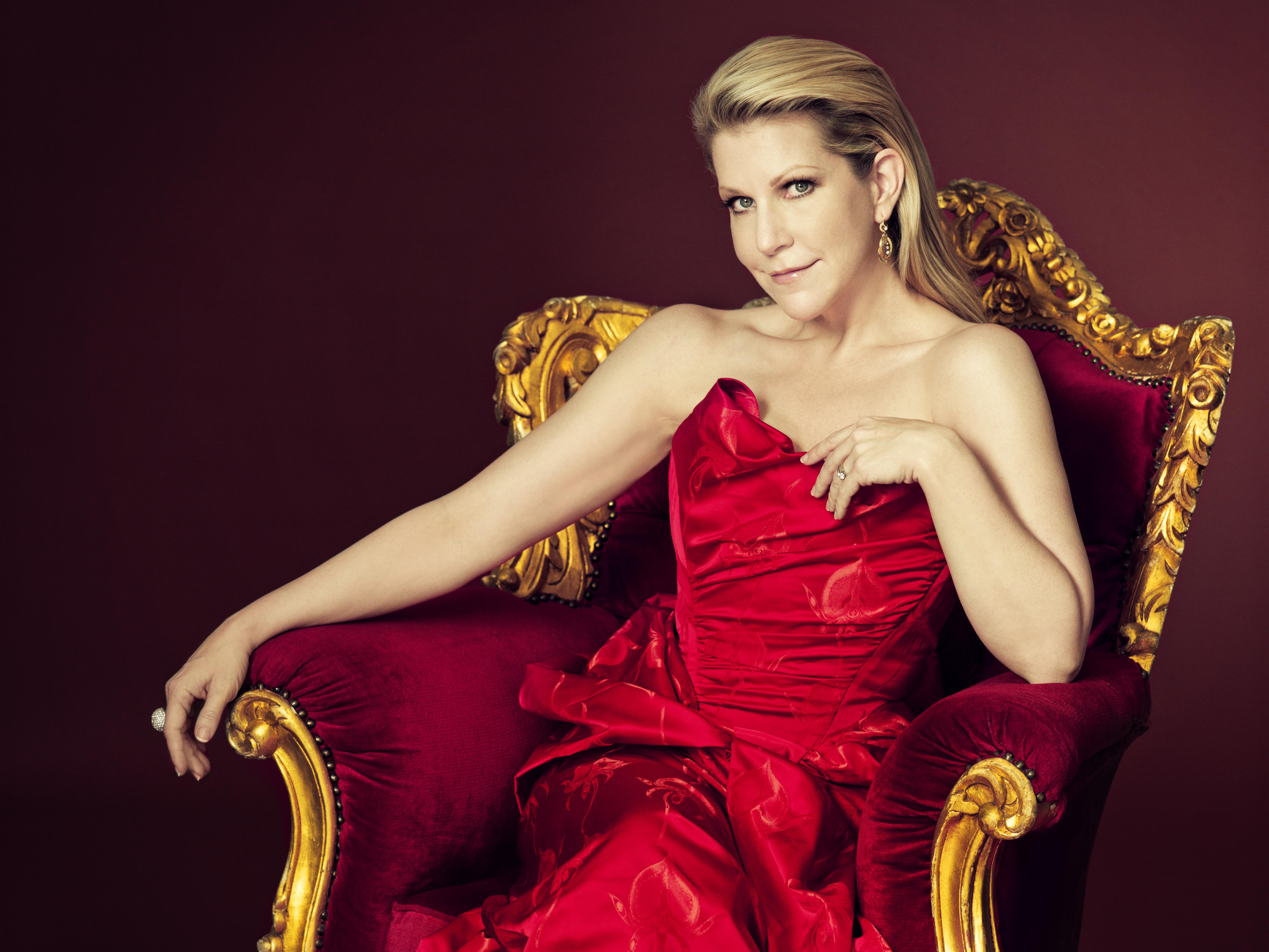
Last night Joyce DiDonato (pictured left, photograph by Josef Fischnaller) performed with Il Complesso Barocco at the Green Music Center in Sonoma County. The performance is part of DiDonato’s “Drama Queens” tour, which involves a program of Baroque arias in Italian. Beginning with Antonio Cesti’s “Intorno all’idol mio” from Orontea, it was evident how dramatic and expressive DiDonato’s voice is. The high-spirited ensemble also had a great deal of energy, as seen and heard to best effect during Vivaldi’s Concerto for violin and strings RV 242, known as “per Pisendel.” Director and violinist Dmitry Sinkovsky seemed quite cheerful and everyone playing was fully engaged in creating music.The high point of the evening was certainly “Disprezzata regina” from L’incoronazione di Poppea. DiDonato gave a theatrical, compelling account of Ottavia’s anguish, her voice shows a lot of nuance and range of emotion. The second half of the concert paired two arias for Cleopatra, first Hasse’s “Morte, col fiero aspetto,” followed by Händel’s “Piangerò la sorte mia.” DiDonato sang with a gorgeous pianissimo in “Madre diletta” by Zeno.
The three encores were “Lasciami piangere,” “Col versar, barbaro, il sangue,” and “Brilla nell’alma.” DiDonato spoke before each one, approving of the new hall and joking about how it was nice to sing in the Bay Area in a dress, which has not happened in a long time.
* Tattling *
The audience was quiet but enthused. The modular Vivienne Westwood gown made especially for DiDonato’s tour was much admired.Leave a comment
-
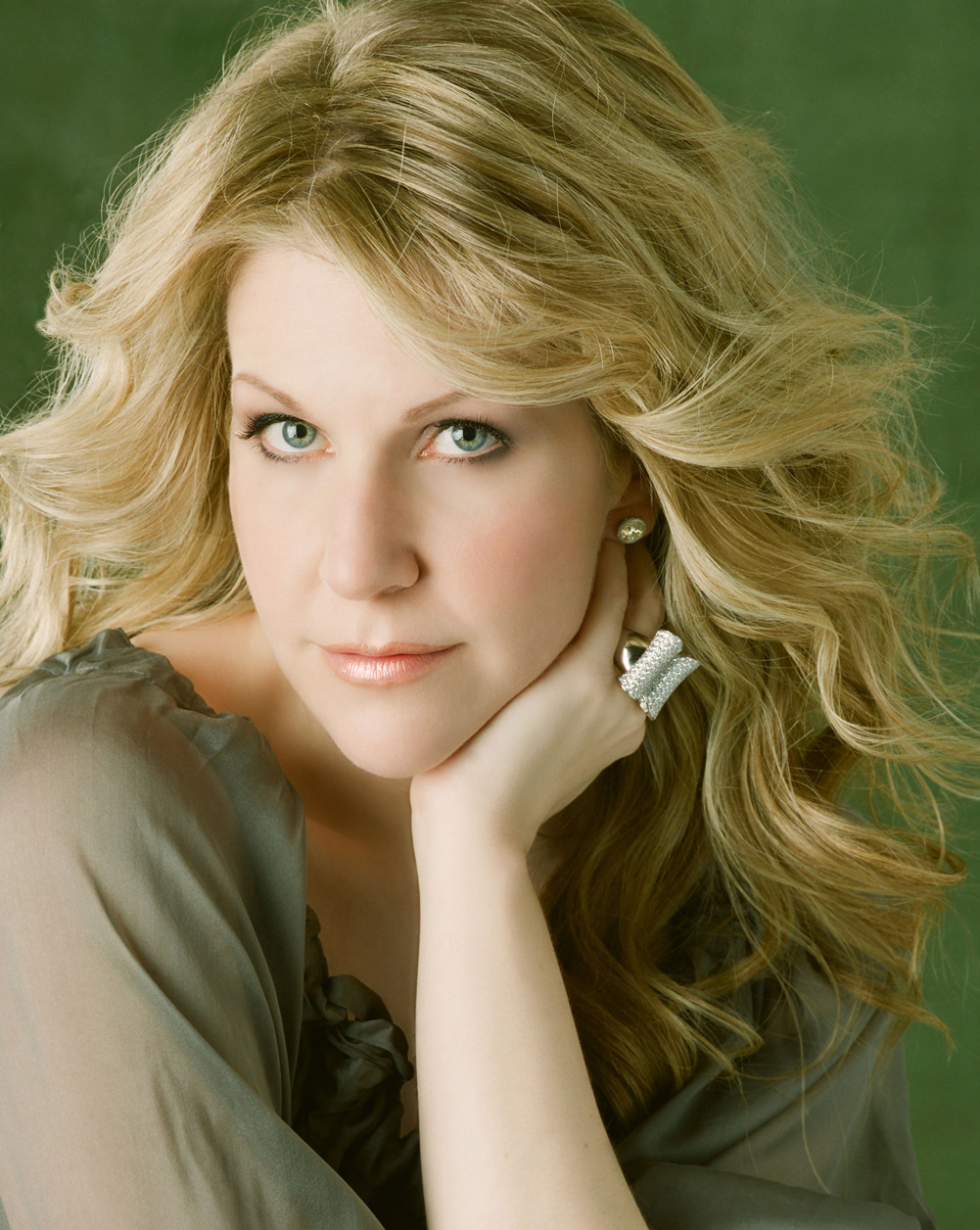
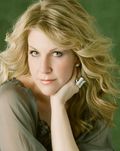 Mezzo-soprano Joyce DiDonato (pictured left, photograph by Sheila Rock) is midway through a tour with Il Complesso Barocco. Their last stop in the United States is tonight at the Green Music Center at Sonoma State University.
How did you get interested in opera?
I was studying Music Education in college, and could get a bit more scholarship money if I joined the opera, so I did. And I was hooked immediately. It was the marriage of everything I love: music, theater, emotion, physicality, intelligence. It requires everything that I am.Your repertoire includes a lot of Baroque and Bel Canto roles. Is this different from working on new music like Dead Man Walking, or something like The Enchanted Island?
I don't actually see it as separate or different – to me it is all story telling. The structure is sometimes different, but the premise is the same. One thing I love about Baroque and Bel Canto roles, however, is the ability to ornament the vocal line, which provides a tremendous amount of freedom and liberation, allowing me to put a very individual stamp onto the role.Was it stressful to be filmed in HD for the Met simulcast?
It was thrilling, but just a tad nerve-wracking, knowing that so many people are watching a live performance around the globe. However, the idea that opera can reach so many people at once far outweighs any nerves on my end. It is a tremendous undertaking!How was singing in Bellini's I Capuleti e i Montecchi?
It is a role that I love deeply, for his youth, ardor, passion, and confusion ~ it is such a joy to play such extreme emotions. But it was also an absolute joy to play this piece with Nicole Cabell, who made a divine Giulietta. This is an opera that turns on the chemistry between to the two singers, and to find such a glorious singer and committed performer in Nicole was a real joy.How did the CD Drama Queens come together?
I knew that I wanted to return to the Baroque world for my next disc, and the idea of the strong, powerful female prima donnas of that period really attracted me. They are larger than life, and I think brought out the very best in the composers who were inspired by the Royal ways. Without knowing which exact arias I wanted to sing, I started with the idea of the roles of Cleopatra and Octavia. At 3:00 am one night, I woke up out of a deep sleep thinking "DRAMA QUEENS" – and the idea was born.What roles are you looking forward to most?
I'm very excited to revisit Maria Stuarda for the second time at the Metropolitan Opera this winter. The Met has never done the opera before, so it is a great privilege to bring this iconic role to such a storied theater for the first time.Who do you look up to as far as musicians are concerned?
My greatest idol has always been Frederica von Stade – she is one of the greatest singers I know, who exudes buckets of generosity and sincerity on the stage, and has always been the model for how I have wished to build my career. Another favorite singer is Ella Fitzgerald.You are an amateur photographer. What camera do you use? What do you like to photograph?
I use a Canon and love to photograph whatever I see: landscape, architecture, candid shots, backstage – anything that falls into my line of sight!How did you start blogging and tweeting?
When I first started my website I wanted it to include a kind of journal (this was before "blog" was even a word!) It has morphed into a real dialogue with my fans, which is something quite special.What sort of yoga do you do?
I love Hatha and Ashtanga yoga.Leave a comment
 The Opera Tattler
Leave a comment