• 28032011 036 * Notes *
    Clarinetist Brenden Guy organized an evening of English music at St. John's Church in San Francisco yesterday. The performance started with some rather cute, pastoral music from Gerald Finzi and Arnold Cooke. Guy and Yeo Jin Seol played Finzi's Five Bagetelles for clarinet and piano. Arnold Cooke's Three Songs of Innocence were sung by soprano Indre Viskontas, accompanied by clarinet (Guy) and Ian Scarfe (piano). Viskontas' diction was clear and her voice was piercing. Before intermission we heard Valinor Winds play Holst's Wind Quintet Opus 14 in A-flat major. The group seemed to enjoy playing together, which is always nice to hear.

    The last two pieces on the program were less adorable but more gratifying. Guy and Keisuke Nakagoshi played Herbert Howells' Sonata for Clarinet and Piano. The first movement was smooth and without harshness, the second movement was second half more vivid. Guy conducted 10 musicians in Britten's first piece, the Sinfonietta for Chamber Orchestra (1932). There was some beautiful playing, and I particularly liked the third movement Tarantelle: Presto vivace.

    * Tattling *
    The audience was quiet. As I was surrounded by friends, including Axel Feldheim and SF Mike, this is perhaps not surprising. There were only some discernible sounds from the street outside. As a venue, the acoustics of St. John's are fine for chamber music, but the lighting certainly was not focused on the performers.

    Leave a Reply

  • Paul-flight * Notes *
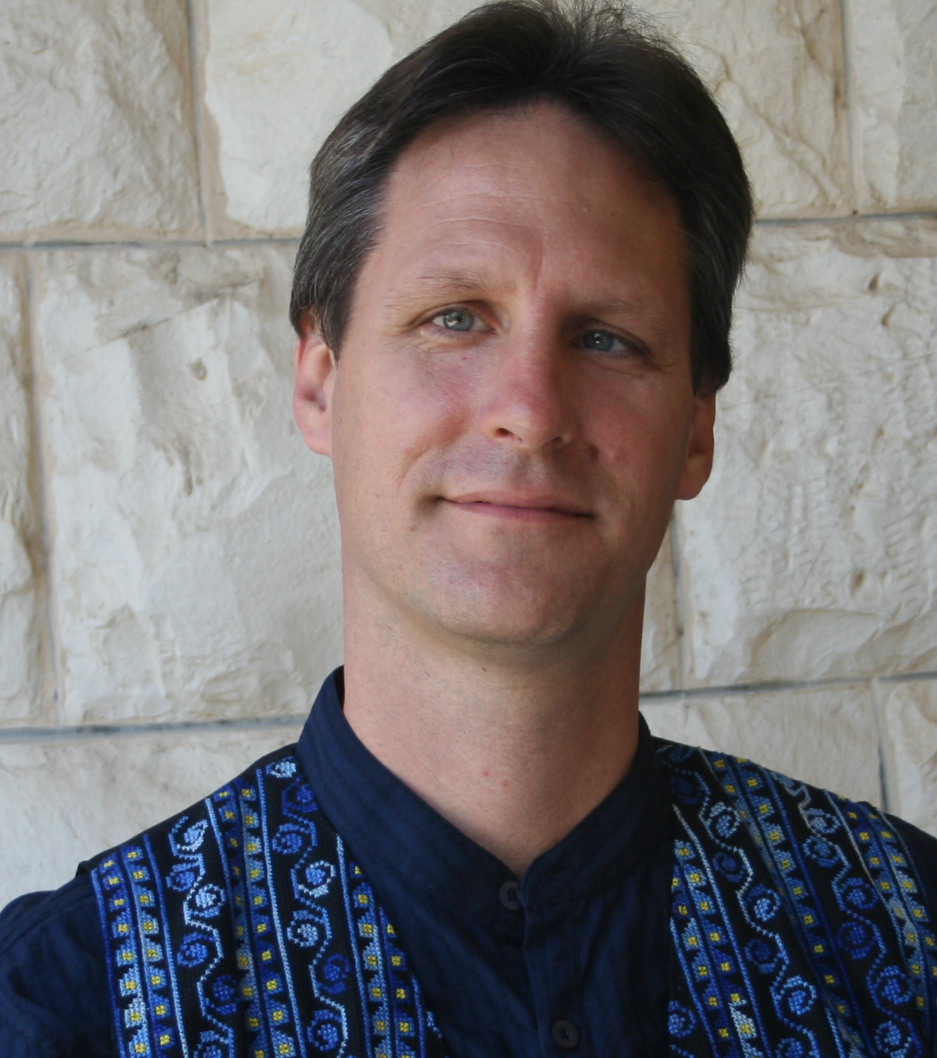
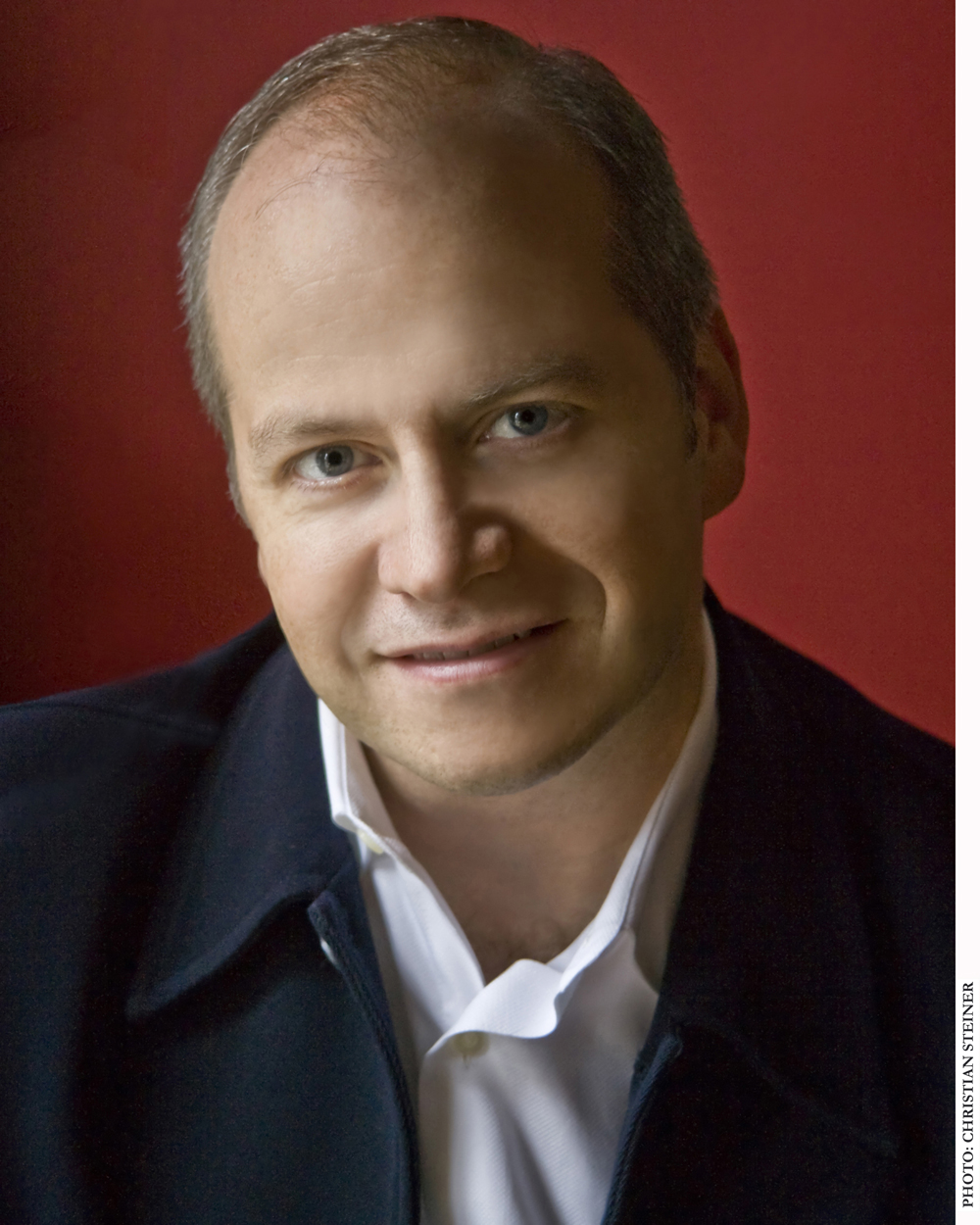
    Berkeley's Chora Nova ended the 2010-2011 season with a performance of psalm settings from the Italian Baroque last Saturday. The evening began with Pergolese's Confitebor tibi and Galuppi's Nisi Dominus. The both pieces were played and sung at a pretty mezzo-forte under the direction of Paul Flight (pictured left). The two sopranos were distinct from one another. Michele Byrd's voice was bright, while Jennifer Paulino's was warmer. For Pergolese, Byrd sang a countertenor part in a duet with tenor Brian Thorsett. This did not quite work, they just did not seem to be singing together. The Galuppi had more fire to it, but unfortunately, one of the violins broke a string before the last soprano duet.

    The second half of the program gave us Vivaldi's Dixit Dominus. Playing and singing were diffuse but pleasant. Thorsett had a beautiful solo, and the trumpet here clean except for an odd squawk at the end. Flight sang the countertenor part in this piece, turning from the orchestra to sing to the audience.

    * Tattling *
    Someone in the balcony saw fit to undo her wrist brace during the second piece, apologizing, but creating a great deal of noise unfastening her velcro straps.

    Leave a Reply

  • Siegfried-act-3

    Production Web Site | SF Opera's Ring Blog

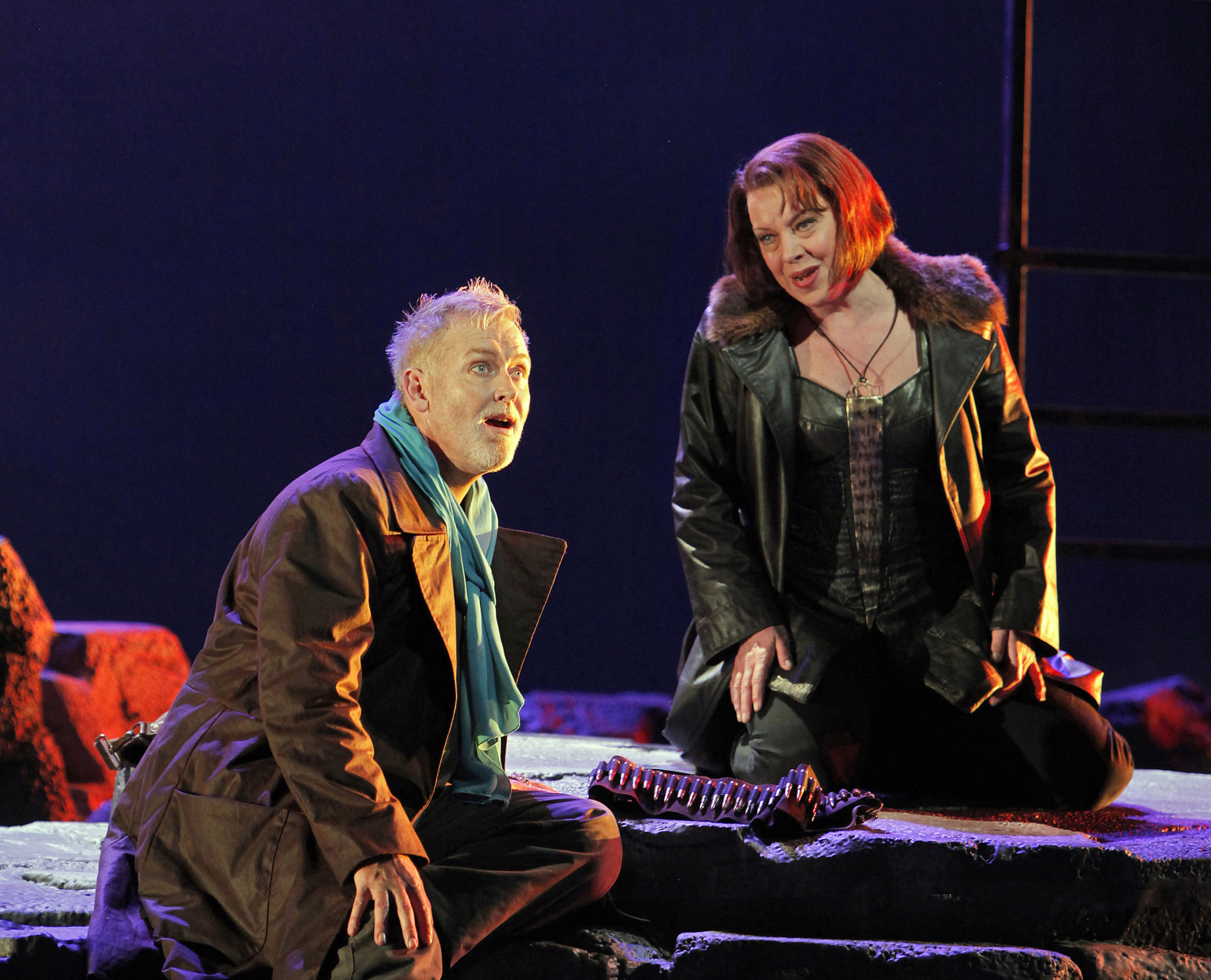
    Reviews of San Francisco Opera's Siegfried (Jay Hunter Morris as Siegfried and Nina Stemme as Brünnhilde pictured left, photo by Cory Weaver) are coming in, and it certainly makes for interesting reading.

    Performance Reviews: Financial Times | Not For Fun Only | The Reverberate Hills | San Francisco Chronicle | Commanday on SFCV | Serinus on SFCV | SF Examiner | San Jose Mercury News

    Leave a Reply

  • Siegfried-act2-fafner * Notes * 
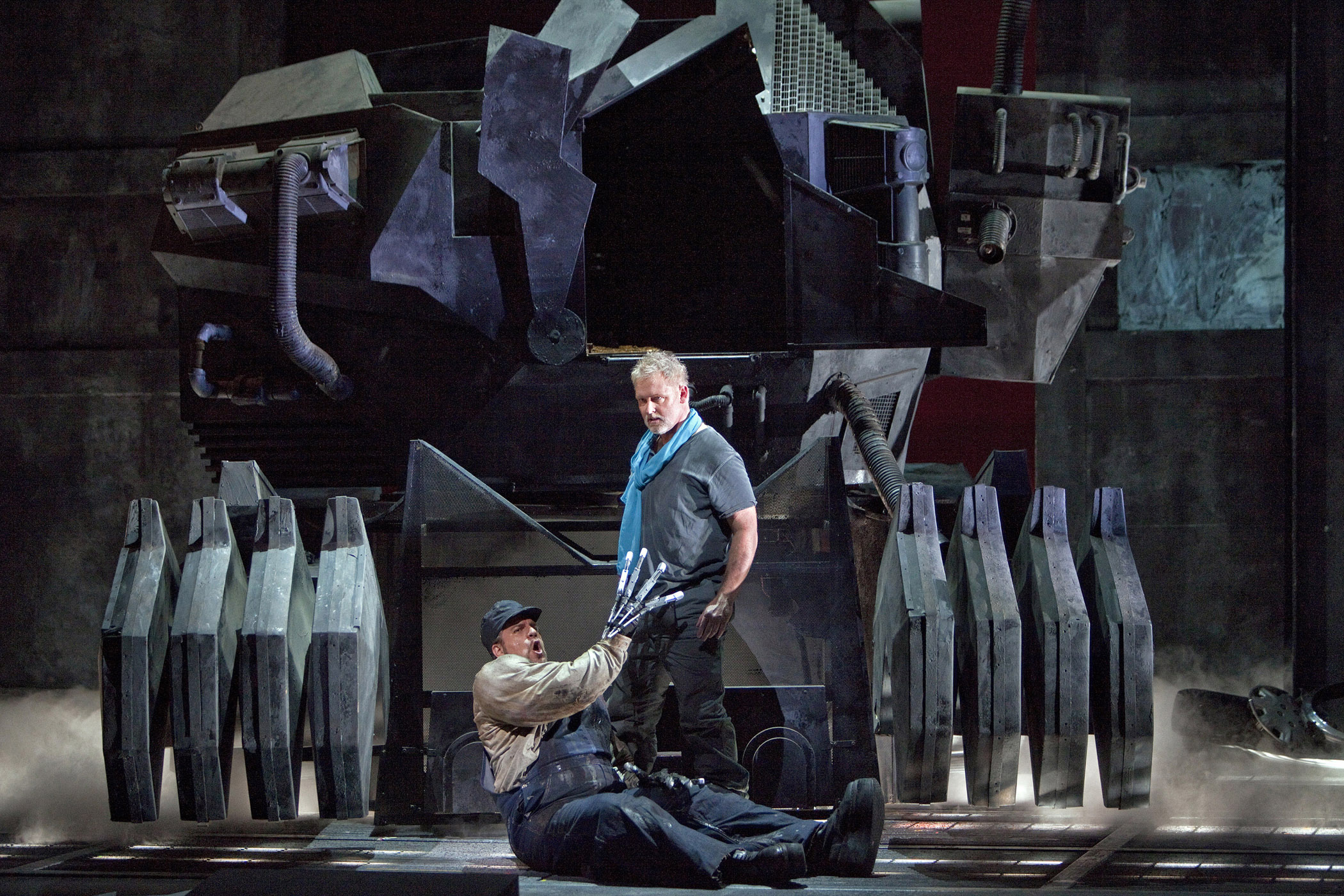
    Francesca Zambello's production of Siegfried (pictured left, photo by Cory Weaver) opened today at San Francisco Opera. Though this opera is nearly 4 hours of music, it breezed by this afternoon. The orchestra was luminious under Donald Runnicles. The brass was warm with only a bit of haziness, and most of the horn calls were clear and lovely. The woodwinds sounded gorgeous, especially the clarinet. The orchestra did seem to overwhelm the singing at times, but it was hard to care too much about this since the playing was so pretty.

    The singing was solid. David Cangelosi was perfect for Mime. His voice is bright, and he was both slippery and sniveling. He was able to cartwheel, somersault, and dance. Gordon Hawkins (Alberich) has a rich voice with a good deal of vibrato. Daniel Sumegi was a grave Fafner. He was gravelly at times, but it worked for the role. Stacey Tappan was charming as the Woodbird, her movements were bird-like, as is her voice. Ronnita Miller was a determined Erda, the top of her voice shines, and the bottom has an attractive warmth.

    Mark Delavan was fine as the Wanderer, though perhaps light. He was more detached than in Die Walküre, as is suitable. He was funny in the first act, somewhat mocking in the second, and even menacing in the third. Nina Stemme was brilliant as Brünnhilde, her first lines in Act III were particularly evocative. In the title role, Jay Hunter Morris paced himself carefully. There were times when he seemed somewhat quiet, but he never came off as harsh. His Siegfried was youthful but not childish.

    At the very least, the innocuous production did not get in the way of the music. Jan Hartley's heavy-handed projections lacked aesthetic cohesion, and the ones used during the Act III overture were ridiculous. Michael Yeargan's sets were quiet and benign. At times the approach was brutal, as with the Woodbird. She simply appeared as a studious young lady who used a lot of hand gestures, even after Siegfried could understand her language. Zambello handled the dragon amusingly, using a huge trash compactor robot to good effect. In general, the humor of Siegfried came through, and one could not fault Zambello for being boring.

    * Tattling * 
    The audience in the balcony seemed silent enough. There was some whispering, but no electronic noise. Axel Feldheim was, as usual, an ideal opera companion. During the ovation, we saw that SF Mike had joined us, and together we met Patrick Vaz at the stage door.

    I helped the SF Opera Guild with tea and coffee service for the musicians, and did standing room in balcony. This meant I ran up and down the stairs of the War Memorial 4 times.

    Leave a Reply

  • Siegfried-act1-scene1 * Notes *
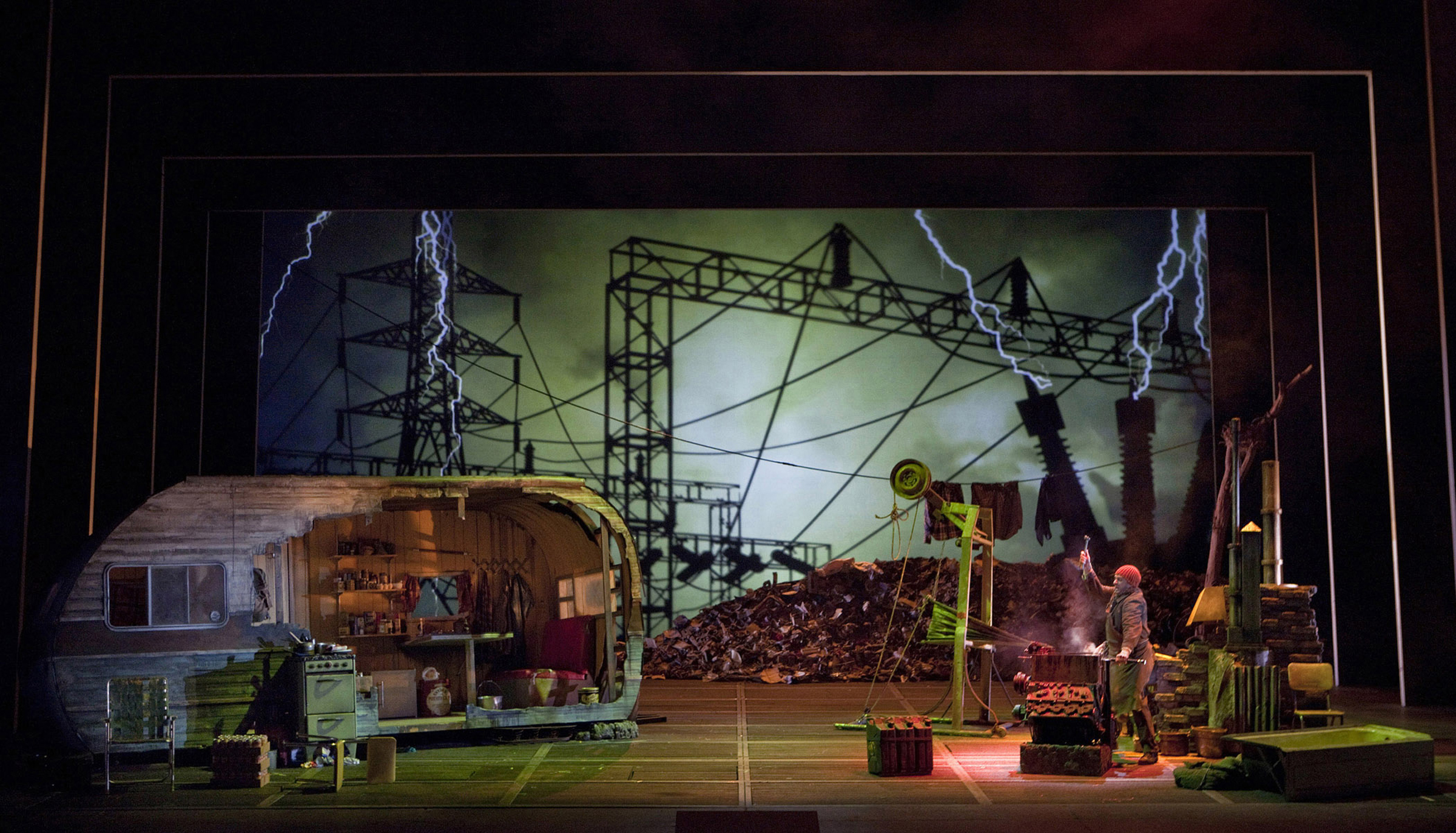
    The final dress rehearsal of San Francisco Opera's Siegfried (Act I pictured left, photo by Cory Weaver) was last Thursday. There was a little roughness in the brass, but the orchestra generally sounded quite pretty under Maestro Runnicles. The production is consistent with both Das Rheingold and Die Walküre. There were some elements of the staging that were very entertaining, and others worked less well. Most of singing was not at full volume, but what we heard showed promise. One is especially curious to hear Jay Hunter Morris, his acting was strong, and he projected youth convincingly.

    * Tattling * 
    Unfortunately, I was late to this rehearsal, taking a seat as quietly as I could. I did sneak away at the second break, as to leave the ending a surprise for the opening tomorrow.

    Leave a Reply

  • The pictured poster in our May 26th story on Michael Schwab's Ring Cycle at San Francisco Opera was an early unreleased version. It has been updated to the correct one. Our apologies.

    Leave a Reply

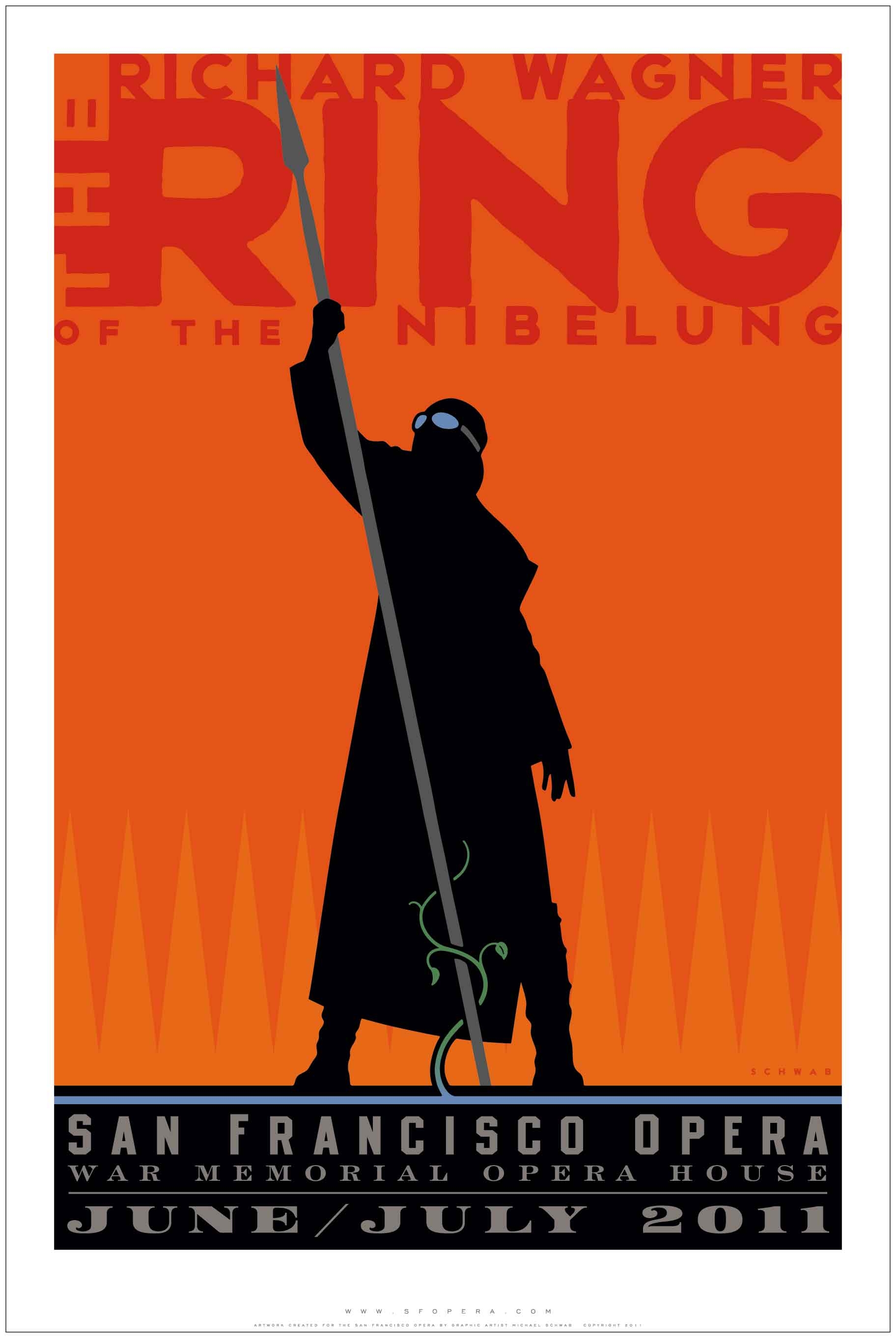
  • Sf-ring-2011-michael-schwab-final-versionGraphic artist Michael Schwab has created a poster for San Francisco Opera's upcoming Ring Cycle.

    Press Release | SF Opera's Official Ring Site | Michael Schwab's Official Site

    Leave a Reply

  • Patrick-summers Patrick Summers (pictured left) has been named Artistic and Music Director of Houston Grand Opera. Summers is also the Principal Guest Conductor of the San Francisco Opera. Perryn Leech will become the company's Managing Director.

    Press Release | Houston Grand Opera's Official Site | Patrick Summers' Official Site

    Leave a Reply

  • Zambello_francesca Francesca Zambello (pictured left) has been named Artistic Advisor of Washington National Opera. Zambello is currently the General and Artistic Director of Glimmerglass Opera and Artistic Adviser of San Francisco Opera.

    Press Release | Washington National Opera’s Official Site | Francesca Zambello’s Official Site | Advisor vs. Adviser

    Leave a Reply

  • West-bay-opera-dido-and-aeneas * Notes *
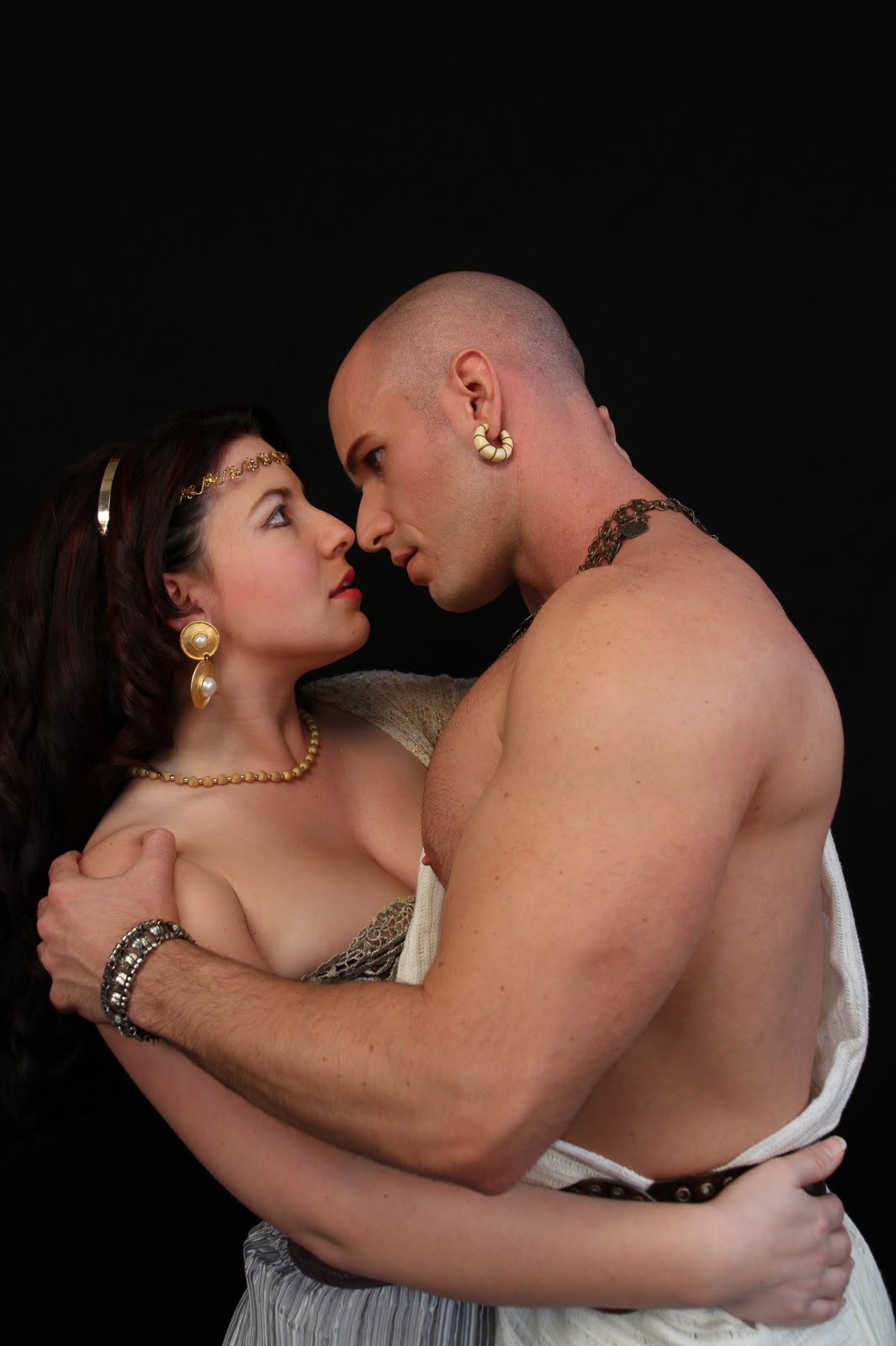
    West Bay Opera is currently presenting an ambitious double bill of Dido and Aeneas and La vida breve. The opening yesterday in Palo Alto left a decidedly mixed impression. The evening began with General Director José Luis Moscovich appealing for donations and joking about the opera's planned IPO. He gave a concrete example of what would be done, letting us know that if everyone in the audience gave five dollars, they could have an extra orchestra rehearsal. There were cheers from the pit, and once the music started, it was clear why.

    The overture for Dido and Aeneas was not together, nor was it in tune. Once it started, the singing was not particularly synchronized with the orchestra either. For the most part the singers were late, but there were times when they even got ahead. Shawnette Sulker was a cheeping, bird-like Belinda. As the sorceress, Carla López-Speziale's mode of locomotion seemed tied to her waving arms, though she occasionally added some alarming hip thrusts. She and the witches (Kristen Choi and Alexandra Mena) undulated their arms in a vaguely North African style, one guesses this is because Carthage was located near present day Tunis. López-Speziale had a bit too much vibrato for this music, and Choi sounded exceedingly legato.

    Zachary Gordin was a rather static, statuesque Aeneas. Instead of conveying the emotional import of the text, he would just sing louder to indicate passion. On the other hand, Cathleen Candia (Dido) sang well, especially considering the chaos coming from all sides. Her high mezzo is pleasant, had a ease in the top, but some of her low notes did seem effortful.

    La vida breve was much more mellifluous. The orchestra was tighter here, though there were points when the musicians in the pit overwhelmed the singers on stage. James Stahlman sounded pretty as la voz de la fragua. Zachary Gordin had a vulnerability as el cantaor that had some appeal. Carla López-Speziale was convincing as la abuela, her dark voice was utterly pitiful in the final moments of the opera. She and Carlos Aguilar (el tió Sarvaor) were strong. Pedro Betancourt (Paco) was plaintive. Chamaeleonic Cathleen Candia sounded vocally secure as Salud, though the role is higher than that of Dido. She was able to portray the two characters distinctly, and without much fuss.

    The staging for both operas, directed by incoming Merolino Ragnar Conde, was busy. He handled the transformation of the chorus from courtiers or sailors to witches in Dido and Aeneas smoothly and he motivated the departure of Aeneas in a way that made sense. Jean-François Revon's sets were not overly elaborate, though Robert Ted Anderson's lighting design was, using every color imaginable at one point or another. The color palette used by costume designer Abra Berman used bold contrasts. Dido's dress had some elegant drapery and Salud's an abundance of ruffles and patterns.

    * Tattling * 
    Someone had a stroke either during or just before "In our deep vaulted cell the charm we'll prepare, too dreadful a practice for this open air." There was a ruckus when help was sought for her, but thankfully, an ambulance came in fairly short order.
    Leave a Reply