• Krol-roger-santa-fe-opera* Notes *
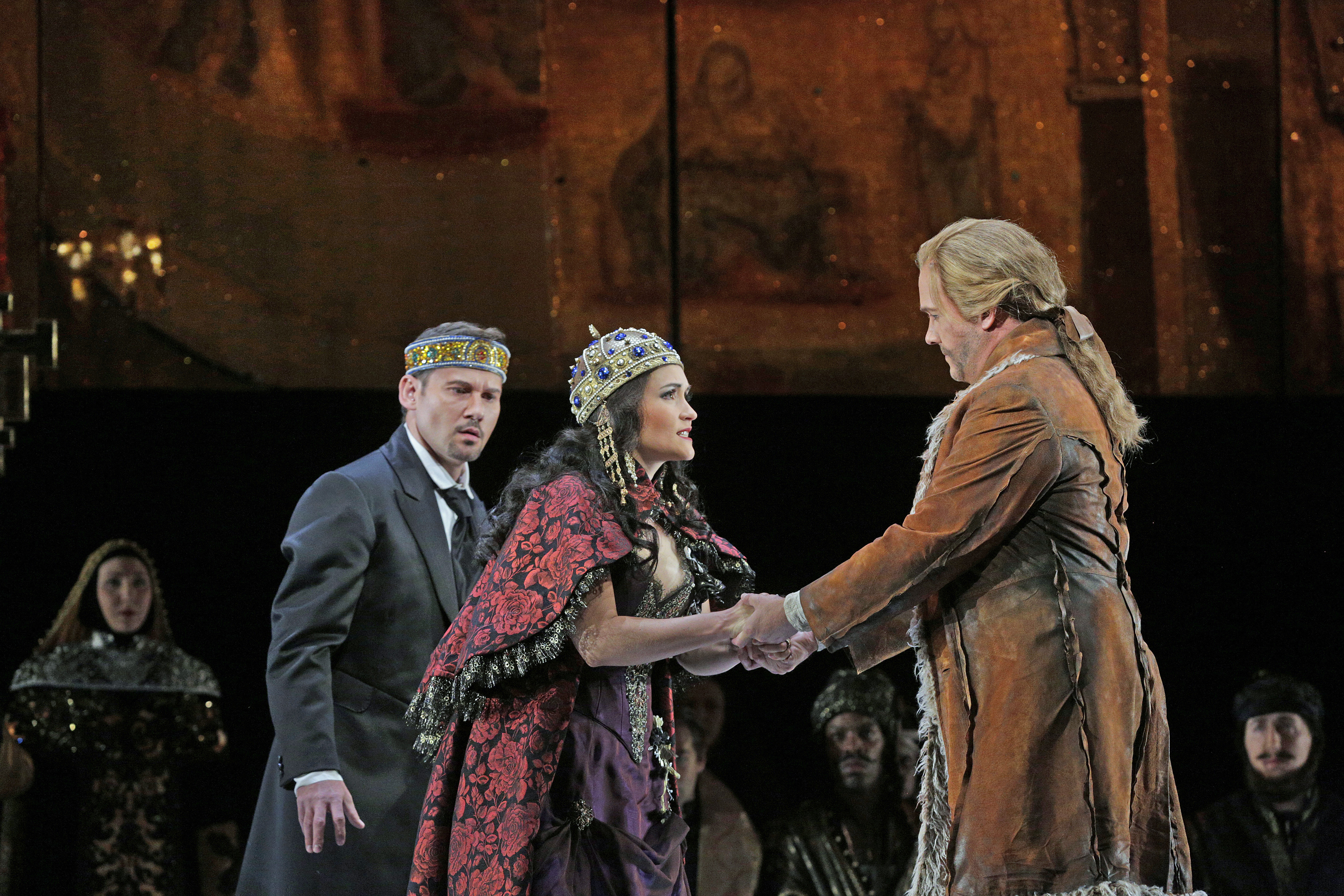
    Szymanowski’s Król Roger (Act I pictured left, photograph by Ken Howard) opened last weekend at Santa Fe Opera. The second performance on Wednesday sounded strong, the orchestra held together under Maestro Evan Rogister. At times the volume obscured the singer’s voices, but not often.

    The production, directed by Stephen Wadsworth and with sets from Thomas Lynch, is clear and elegant. Shifts in the background and with the light (designed by Duane Schuler) are enough to change the scenes. The silence before the music started was engaging, as the characters quietly found their places on stage. Peggy Hickey’s choreography looked comfortable on both the singers and dancers. The costumes, from Ann Hould-Ward, looked suitably grand.

    The cast is even. Raymond Aceto is perfectly appropriate for the Archbishop, as is Dennis Petersen as Edrisi. Erin Morley (Roxana) has a cold, brilliant sound. William Burden impressed as the Shepard, his appealing tenor well-suited to the role. Mariusz Kwiecien was robust in the title role.

    * Tattling * 
    Only one person in the middle of the balcony talked during the performance, and was audible from Row D Seat 113 at least twice.
    Leave a comment

  • KarliCadel-LostFinalDress-1765* Notes *
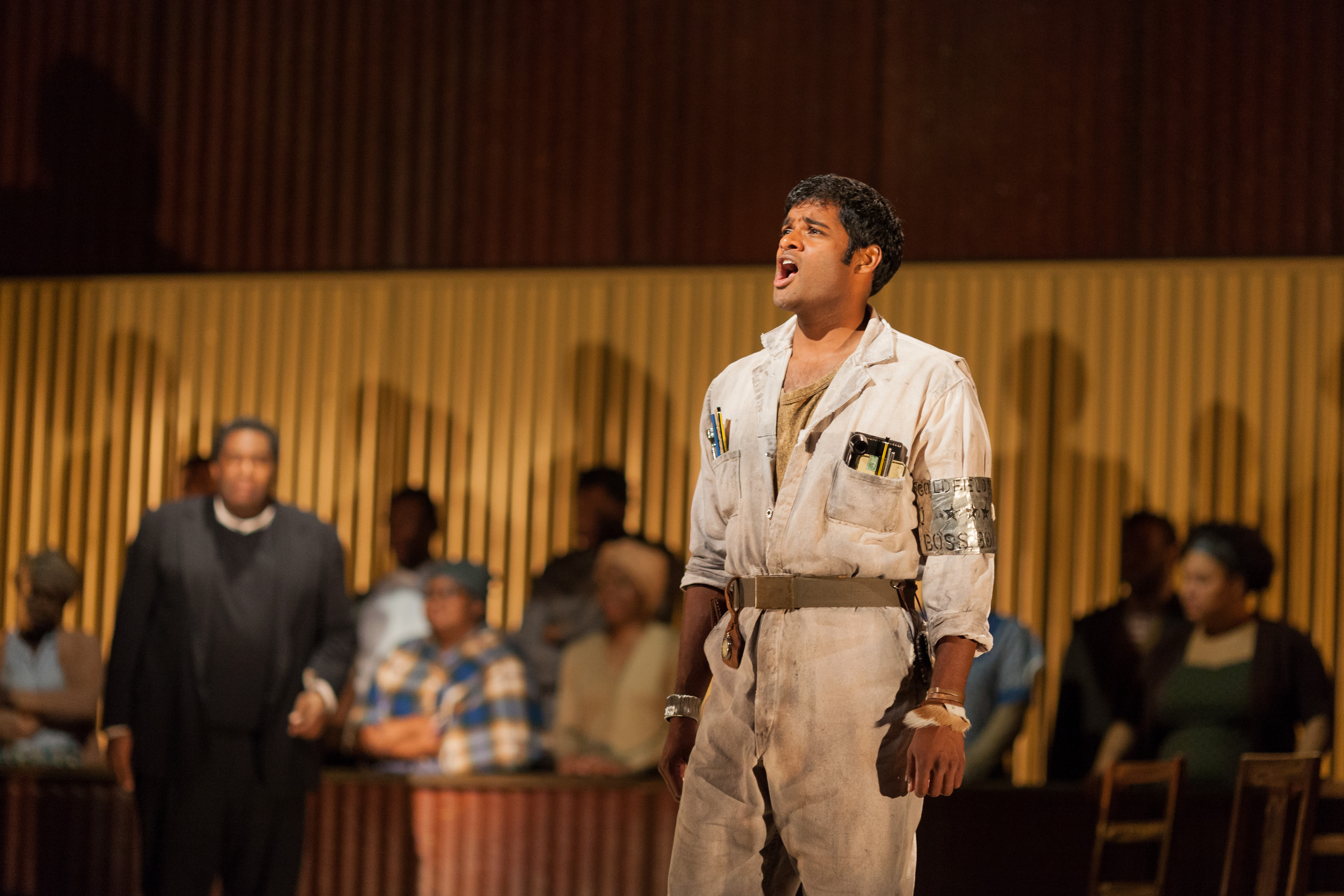
    Lost in the Stars, composed by Kurt Weill with book and lyrics by Maxwell Anderson, opened at the Glimmerglass Festival (Act I pictured left with Sean Panikkar as The Leader, photograph by Karli Cadel) on Sunday afternoon. This opera is based on South African author Alan Paton’s novel Cry, the Beloved Country. Somehow the opera feels a little naive, the characters are not particularly nuanced. This co-production, directed by Tazewell Thompson, is with Cape Town Opera, where it was performed last November. Michael John Mitchell’s set is clean and his costumes attractive.

    The orchestra sounded spirited under the baton of John DeMain. The chorus was strong. Chrystal E. Williams sang a hilarious “Who’ll Buy?” in Act I, and the list of fruits and vegetables were amusing to hear. Sean Panikkar (The Leader) sounded bright and powerful throughout the performance. Eric Owens convinced as Stephen Kumalo, though the role seems to sit a bit high in his range perhaps. He was very good about keeping the South African accent in his voice even whilst singing.

    * Tattling * 
    There was too much talking in the balcony when only the orchestra played. The audience appeared rather moved by the performance, however.

    Leave a comment

  • KarliCadel-ArmideFinal-9838* Notes *
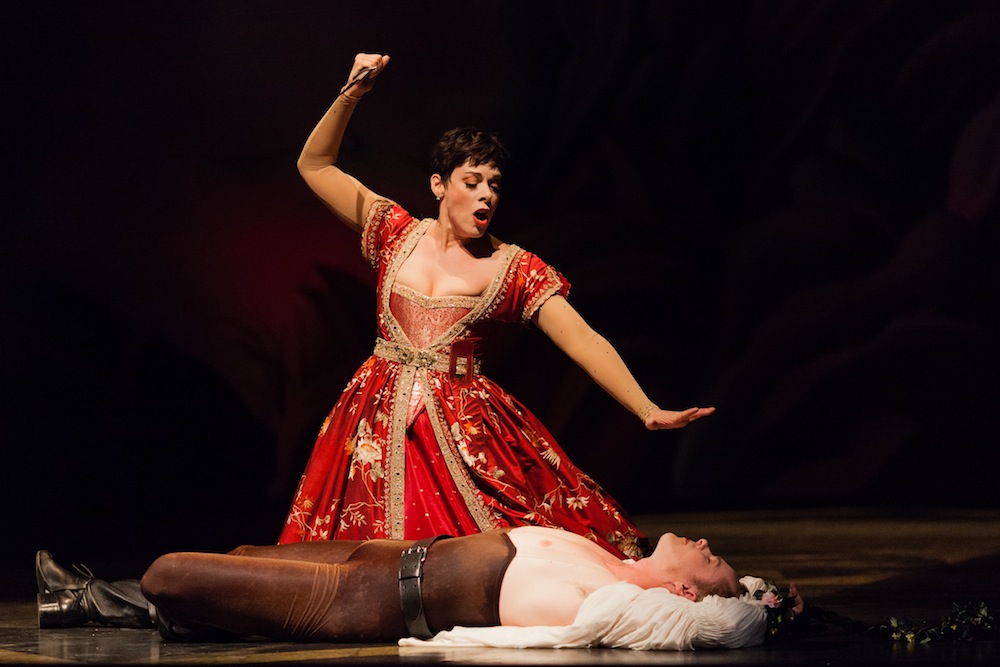
    The opening performance of Lully's Armide at the Glimmerglass Festival (Act I pictured left with Peggy Kriha Dye as Armide and Colin Ainsworth as Renaud, photograph by Karli Cadel) occurred last Saturday. The opera takes its plot from Torquato Tasso's epic poem La Gerusalemme liberata and shares several characters with Orlando furioso by Ariosto. The co-production here is with Opera Atelier, and was performed in Toronto last April with the much of the same cast and crew. Marshall Pynkoski's direction is ridiculously delightful, and Gerard Gauci's layered, flat set is charming. The jewel-toned silks and rich velvets Dora Rust D'Eye used in costuming look appropriately Baroque, as did the choreography from Jeannette Lajeunesse Zingg.

    David Fallis conducted a jaunty orchestra that did not overwhelm the singers. The chorus sang beautifully. Most of the principals were also perfectly fine. The physicality of the dancers and singers was impressive. João Fernandes (Hidraot) and Aaron Ferguson (Chevalier) were entertaining. Tenor Colin Ainsworth sounded bright and blustery as Renaud. Peggy Kriha Dye gave a vivid portrayal of Armide. Her rage and anger were particularly scintillating.

    * Tattling * 
    Artistic and General Director Francesca Zambello introduced herself to an assortment of young people milling about before going into the hall, and also addressed the whole audience before the music began.

    Leave a comment

  • Pina-bausch-orpheus-eurydice* Notes *
    The Paris Opera Ballet performed Pina Bausch‘s arresting choreography of Orpheus und Eurydike as part the Lincoln Center Festival yesterday evening. The set, designed by Rolf Borzik, is sober, offset by his simple, often translucent costumes. The dancing was gorgeous. The movements were fluid, and had a lovely natural quality to them. One never felt that the dancers were simply following directions, all the motions seemed to flow out of their bodies with elegance.

    The orchestra sounded together under conductor Thomas Hengelbrock. The oboe was especially lovely. The singers also did well. The chorus had many strong moments. Zoe Nicolaidou was a perfectly sprightly Amore. Yun Jung Choi (Eurydike) sounded pretty enough, and only had a few shrill moments. In the title role, Maria Riccarda Wessling had a nice clarity in her higher range, and some warmth. She had some frogginess a few of her lower notes.

    * Tattling * 
    There was whispering from the woman in B 1 at the beginning of scenes, even when the dancers were performing. Said person was concerned about seeing the stage, and asked that the person in A 1 not lean into the aisle as he was blocking her view.

    Leave a comment

  • Merola-postcard-from-morocco-2012* Notes * 
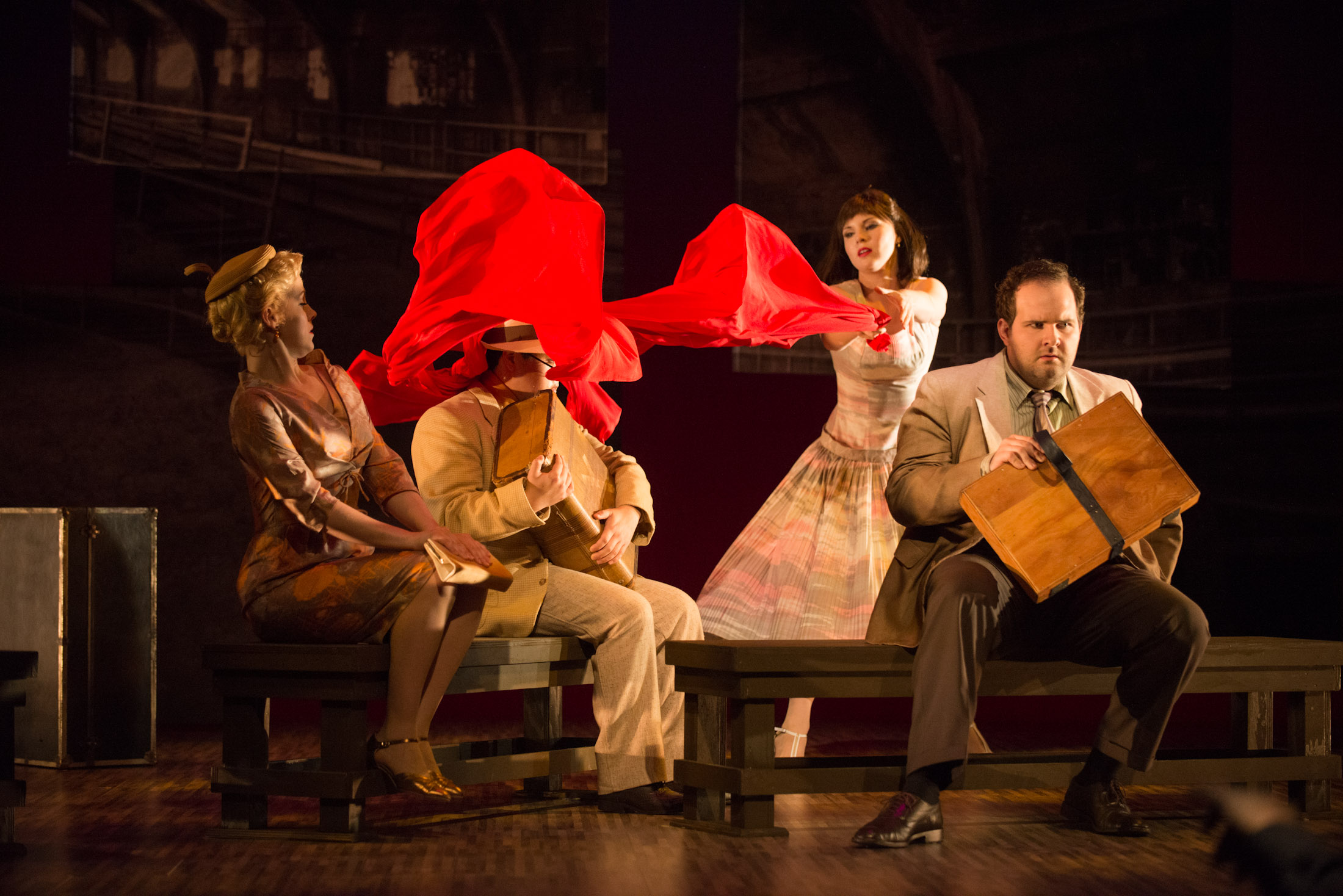
    Dominick Argento’s Postcard from Morocco was performed last night by the Merola Opera Program at Cowell Theater in San Francisco. This odd one act opera, which premiered in 1971, requires only ninety minutes, seven singers, and eight instrumentalists. The action takes place at a train station, and the waiting travelers all carry particular items, which they sing about but never show. The various scenes are entertainingly absurd, one uses a hula hoop, another a balloon animal. Directed here by Peter Kazaras, the production involves a lot of choreography from Melecio Estrella, which the singers all handle beautifully. The puppet show is particularly striking, as the puppets are worn on hats and manipulated by sticks. Kristi Johnson’s costumes use ombré and colorful patterned cloth, and looked good against Nicholas Muni’s sedate, neat set. The lighting, designed by Justin Partier, enhances the shifts in focus of the loose narrative.

    The singing was strong. Bass-baritone Matthew Scollin was vaguely sinister as A Puppet Master, and funny as A Man with the Cornet Case. He is wonderfully expressive in his face and even did some cartwheels. Suzanne Rigden was a bright-toned Lady with a Hand Mirror. Joseph Lattanzi made for a slick shoe salesman and was hilarious with Andrew Stenson when they both played puppets. Lattanzi is an exceptionally good dancer. Stenson’s tenor is rather pretty, and he juggled the roles of First Puppet, A Man with the Old Luggage, and An Operetta Singer with aplomb.

    Carolyn Sproule made a clear distinction in both singing and posture when she played A Foreign Singer and A Lady with a Hat Box, the former being much more sultry, and the latter rather coy. As A Lady with a Cake Box, soprano Aviva Fortunata sang with much power. Her voice is robust and penetrating, but her quiet notes were loveliest. Tenor AJ Glueckert was most impressive as A Man with the Paint Box. His pleasantly brassy voice has volume without strain.

    * Tattling * 
    There was some light talking from the audience, perhaps because the opera is unusual and has no intermission.

    Leave a comment

  • The Rake's Progress - 2* Notes * 
    The Schwabacher Summer Concert on Thursday started with a percussive and energetic overture from Roberto Devereux. The orchestra, conducted by Giuseppe Finzi, sounded together and strong. The singing began with a scene from Anna Bolena, the matching costumes in black and white were striking. On the other hand, the stark shadows used looked unintentional. It did become clear that this effect was purposeful as the lighting continued in the same manner all evening. Erin Johnson gave a fluttery performance as Giovanna Seymour, but has a lot of volume. Melinda Whittington had a piercing, metallic quality to her voice as Anna Bolena.

    Tenor Chuanyue Wang’s voice is pretty and open, with a particular reedy vibrato that seemed suited for the Faust of Boito’s Mefistofele. Andrew Kroes was committed to the title role, sounding threatening, if not a little creaky. Elizabeth Baldwin has warmth to her soprano and a lot of power. Her costume was unflattering, being sleeveless, and having many layers of dirty-looking fabric. It did, however, make a certain amount of sense given the scene depicted.

    The excerpt from Act III of La Jolie Fille de Perth was incomprehensible, involving lots of chairs. Normally I enjoy director Roy Rallo’s inventiveness, but here the singers seemed like reveling zombies wandering on the stage. Joshua Baum (Le Duc de Rothsay) sounded drily husk-like, while Yi Li (Henri Smith) was distinctly warmer and more plaintive. Seth Mease Carico (Un ouvier) and Hadleigh Adams (Ralph) also contrasted well, the latter having an opportunity to display both anger and despair. Carico rasps somewhat, but not unpleasantly. Adams sounds smoother.

    The scenes from The Rake’s Progress came off best, Joshua Baum sounded sweet as Tom Rakewell and Seth Mease Carico was a robust, unctuous Nick Shadow. Elizabeth Baldwin (Anne Trulove) sang searing high notes.

    * Tattling * 
    The audience was attentive and quiet. A chair was knocked over during the Bizet.

    Leave a comment

  • Merola-general-director-auditions-2012.jpg* Notes *
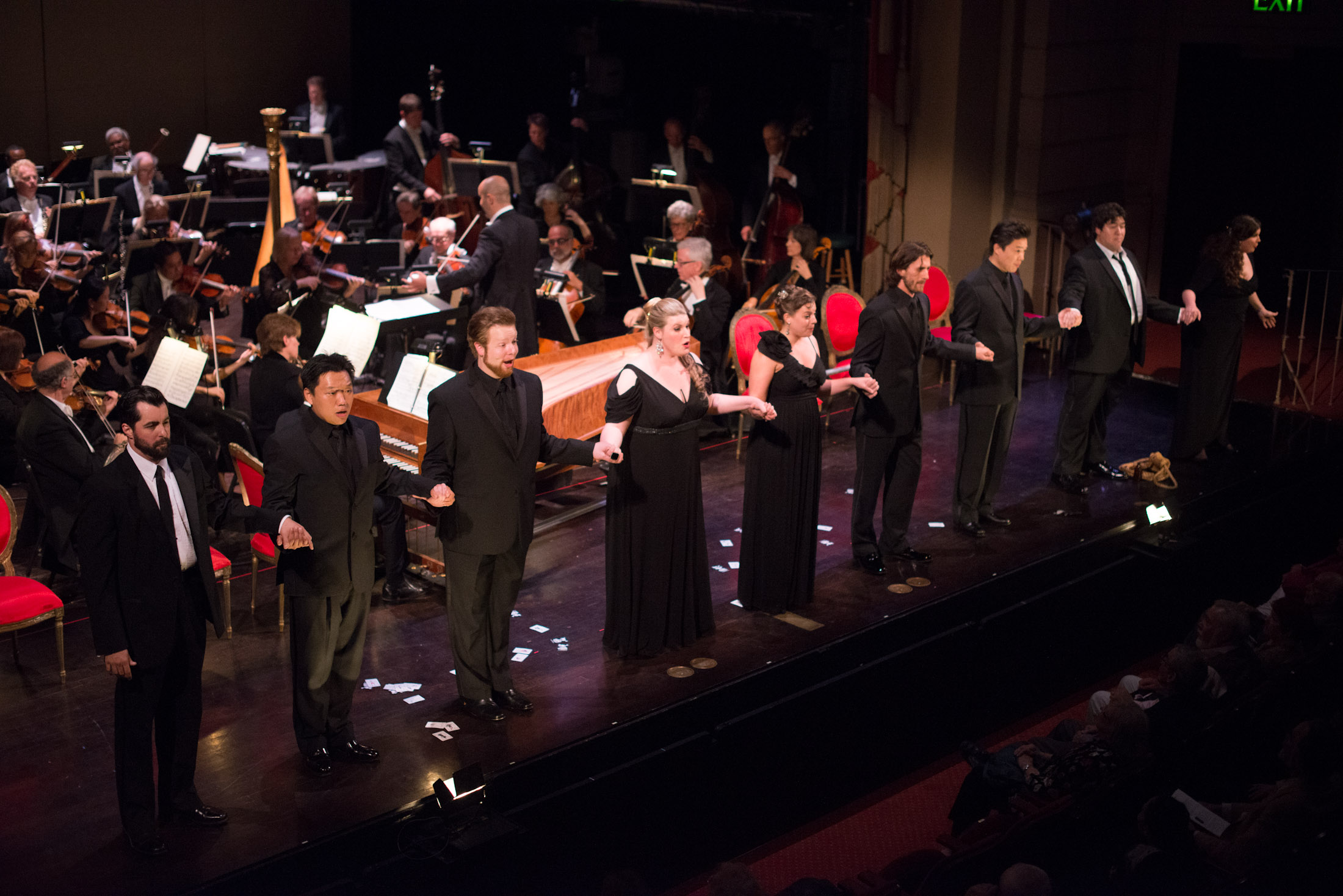
    The Auditions for the General Director of San Francisco Opera occurred last night after the this season's last performance of Attila. The twenty-three singers in the Merola Opera Program performed, each accompanied by one of five apprentice coaches. This year there are many talented tenors. Many Mozart arias were heard.

    Soprano Jacqueline Piccolino, tenor AJ Glueckert, mezzo-soprano Erin Johnson, soprano Rose Sawvel, soprano Elizabeth Baldwin, tenor Chuanyue Wang, mezzo-soprano Sarah Mesko, soprano Jennifer Cherest, and bass-baritone Hadleigh Adams were called back.

    David Gockley seemed most enthused about tenors Yi Li, Andrew Stenson, and Chuanyue Wang. Li sang "Pourquoi me réveiller" from Werther, Stenson sang "Di rigori armato" from Der Rosenkavalier, and Wang sang "La mia letizia infondere…Come poteva un angelo" from I Lombardi alla prima crociata and "Dies Bildnis ist bezaubernd schön" from Die Zauberflöte.

    Leave a comment

  • Kevin-and-heidi-grant-murphy* Program *
    “Che gelida manina” from La Bohème
    Joshua Baum, tenor and Artem Grishaev, piano

    “Bella siccome un’ angelo” from Don Pasquale
    Joseph Lattanzi, baritone and Elena Lacheva, piano

    “Deh per questo istante solo” from La Clemenza di Tito
    Sarah Mesko, mezzo-soprano and Kevin Miller, piano

    “Madamina, il catalogo è questo” from Don Giovanni
    Matthew Scollin, bass-baritone and Francesco Fraboni, piano

    * Notes *
    Pianist Kevin Murphy (pictured with wife Heidi Grant Murphy above) gave a master class for the Merola Opera Program on Tuesday at Herbst Theatre. Murphy sat in the audience during the initial performances of each the pieces, then would join the singers and pianists on stage to work on particular issues. Murphy noted that no one was worried about Baum’s high C in “Che gelida manina,” but had him work on pronouncing the vowels so they did not sag. Murphy instructed Grishaev to play with less articulation. Joseph Lattanzi and Elena Lacheva gave an elegant rendition of “Bella siccome un’angelo.” Murphy was concerned about the marriage of text and music, and had Lattanzi speak the text, asking him to find words he liked and to be more conversational. Murphy suggested that Lacheva leave out notes so that the texture of the piece was more apparent. Sarah Mesko was able to get a more consistent sound as Murphy had her go word by word though particular lines. Matthew Scollin’s face was incredibly animated as he sang The Catalogue Aria, and Murphy was able to get a brighter sound from him by the end of the class.

    * Tattling *
    Murphy declared at certain points that he hated the pursuit of a vocal line and also phrasing.

    Leave a comment

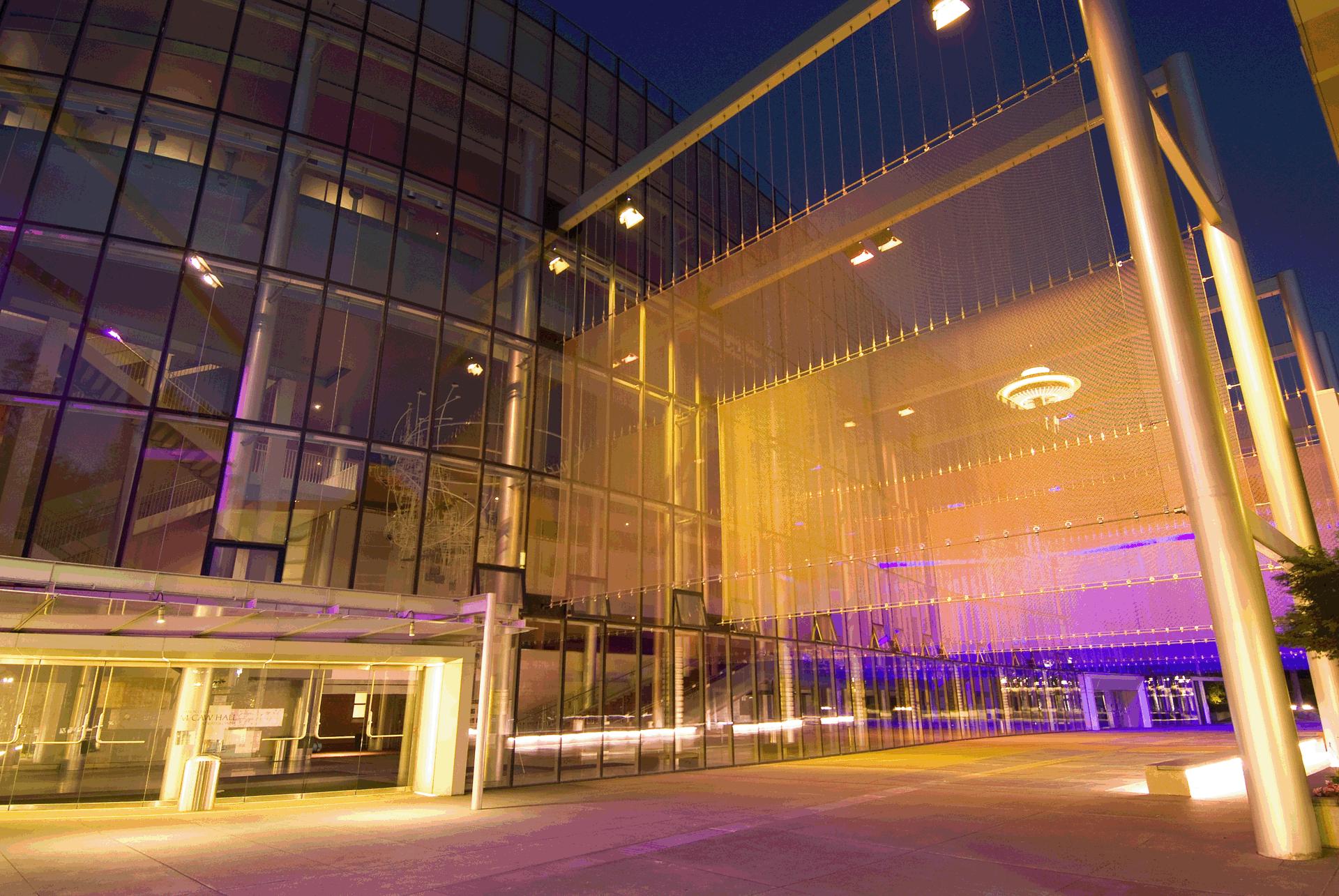
  • Mccaw Seattle Opera announced today that the company anticipates a shortfall for the 2011-2012 season. The company has operated without a deficit for 18 of the past 19 seasons, so this is cause for concern. As a result, the International Wagner Competition will replace Die Meistersinger von Nürnberg for Summer 2014. The Young Artists Program will produce a concert with orchestra instead of a fully-produced opera in the upcoming season, and will go on hiatus for the following season. There will also be operational reductions including leadership salary cuts, lower artist fees, and the net loss of four full-time staff positions.

    Press Releases | Official Site

    Leave a comment

  • Mtt-bay-taper* Notes * 
    This week Michael Tilson Thomas conducts San Francisco Symphony (pictured left) in a program of Liszt and Bartók. The opening performance began with Liszt's Piano Concerto No. 1. Jeremy Denk played fluidly, but with clear articulation. Both Denk and the orchestra could sound blustery or playful as the music required.

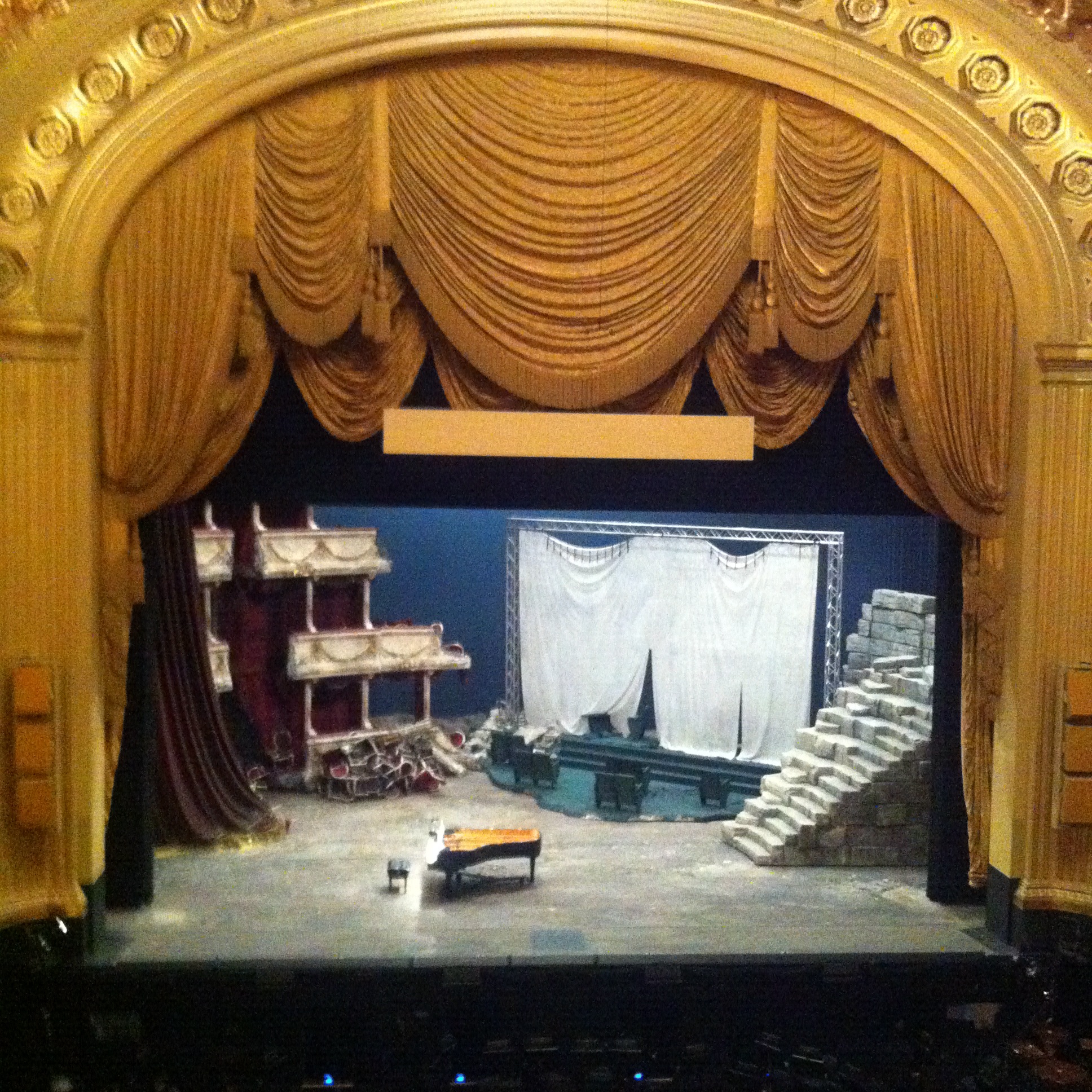
    The staged version of Duke Bluebeard's Castle was directed by Nick Hillel with help from co-director Nick Corrigan, who also did the video and visual design. A speaker, Ken Ruta, gives a theatrical introduction to the piece, unfortunately, he talks over the music, though just a little. Adam Wiltshire's set consists of five tall scrims placed in layers, the ones left and right being more downstage. There is also a large sculpture, made up of different pyramidal shapes, hanging high above the orchestra. Light and images are projected on all the aforementioned surfaces. The most successful of the projections are the more abstract ones. The use of motion can be occasionally overwhelming.

    The music, both singing and playing, was most impressive on Thursday night. The role of Judith suits Michelle DeYoung's voice, which has a pentrating quality without being too acid. Alan Held is an effective Bluebeard, and sang with strength. The orchestra shimmered, MTT kept the volume under control, and the music flowed rather beautifully.

    * Tattling * 
    A cellular phone rang on the orchestra level as Ruta spoke at the beginning of Bluebeard.

    Leave a comment