• Xerxes-graham-oropesa* Notes *
    Händel's Serse (Act III pictured left, photograph by Cory Weaver) had an impressive second performance last night at San Francisco Opera. The English National Opera production at hand premiered in 1985, yet is still as fresh and comedic as ever. This was helped by the deft, transparent playing from the orchestra. The brass was particularly lucid. Maestro Patrick Summers kept the music moving fluidly, sometimes just a bit faster than the singers. The statue chorus was also charming.

    The singing was lovely all around. Michael Sumuel was exceedingly amusing as Elviro, and his warm voice was a welcome contrast with all the high voices in this opera. Wayne Tigges was a pompous, silly Ariodate, but never unsympathetic. Heidi Stober was delightful as the unloved, conniving Atalante. Her voice is bright and rich. Sonia Prina too has pretty resonances in her voice, but could have perhaps sung more smoothly. She did play Amastre with the right amount of bluster. Lisette Oropesa was a restrained and elegant Romilda, her voice is cold and pretty, and she only pushed it too hard during the last note of one aria in Act II. David Daniels (Arsamenes) cut a fine figure, and sang well, with good volume. Susan Graham was most impressive in the title role, sounding clear toned and moving with a beautiful ease.

    * Tattling * 
    For the most part the audience was silent. There was some talking amidst latecomers and ushers at the beginnings of Acts I and II. At least one watch alarm sounded at 8pm. Someone stood behind me during "Più che penso alle fiamme del core" and jingled the change in his pocket with the music.
    Leave a comment

  • Genaux_Vivica_credit-Christian-Steiner_640* Notes * 
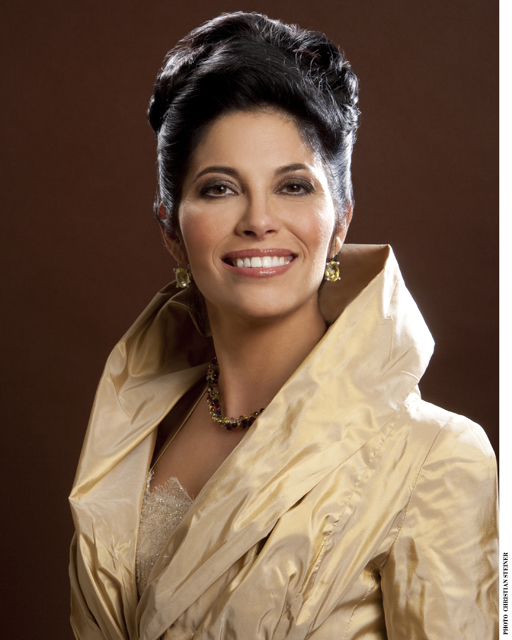
    Philharmonia Baroque Orchestra just completed a run of performances with mezzo-soprano Vivica Genaux (pictured left, photograph by Christian Steiner) last weekend in Berkeley. The ensemble, conducted by Nicholas McGegan, started Sunday evening's performance with Johann Friedrich Fasch's Concerto for Two Flutes, Two Oboes, and Two Bassoons in D minor. The orchestra lilted, but aforementioned woodwinds were somewhat squeaky at times. Genaux joined the musicians for three Vivaldi arias: "Cor mio che sei" from Atenaide, "Sin nel placido soggiorno" from La fede tradita, and "Alma oppressa" from La fida ninfa. The playing was clean and spirited. Genaux was obviously listening to the orchestra, and seemed quite genial. Her sound is precise, warm, and clear. Before intermission we heard the charming Concerto in D major, TWV 44:1 "Sinfonia Spirituosa" by Telemann. The playing was light and sweet. Genaux returned to the stage for Porpora's "Or la nube procellosa" from Artaserse and "Oh volesser gli Dei…Dolci, freschi aurette" from Polifemo. These arias, along with the following "Qual guerriero in campo armato" from Broschi's Idaspe, were written for Farinelli. Genaux breathing was audible but not distracting, her breath well supported. The overall effect was altogether lovely. Genaux's encore was "Agitata da due venti" from Vivaldi's Griselda. She explained that "due venti" also means "220," as in the voltage formerly used in Italy. The evening ended with Ramaeu"s Orchestral suite from La Guirlande, which featured the percussionist on bells, drum, triangle, and tambourine.

    * Tattling * 
    Executive Director of PBO, Peter Pastreich, asked us to turn off our cellular phones before the performance, as they are not period instruments. Perhaps he was inspired by the phone that rang during Jarrousky's concert earlier in the day, which Pastreich also attended. In any case, no electronic noise was noted here.

    Leave a comment

  • Xerxes-Act-I-Scene-1Production Web Site | SF Opera's Blog

    Reviews of San Francisco Opera's Serse (Act I pictured left with David Daniels as Arsamene, Lisette Oropesa as Romilda, Susan Graham as Serse, members of the San Francisco Opera Chorus, and supernumeraries; photograph by Cory Weaver) look quite positive.

    Performance Reviews: Not For Fun Only | Out West Arts | San Francisco Chronicle | San Francisco Classical Voice | San Francisco Examiner | San José Mercury News

    Leave a comment

  • PhilippeJaroussky_01* Notes * 
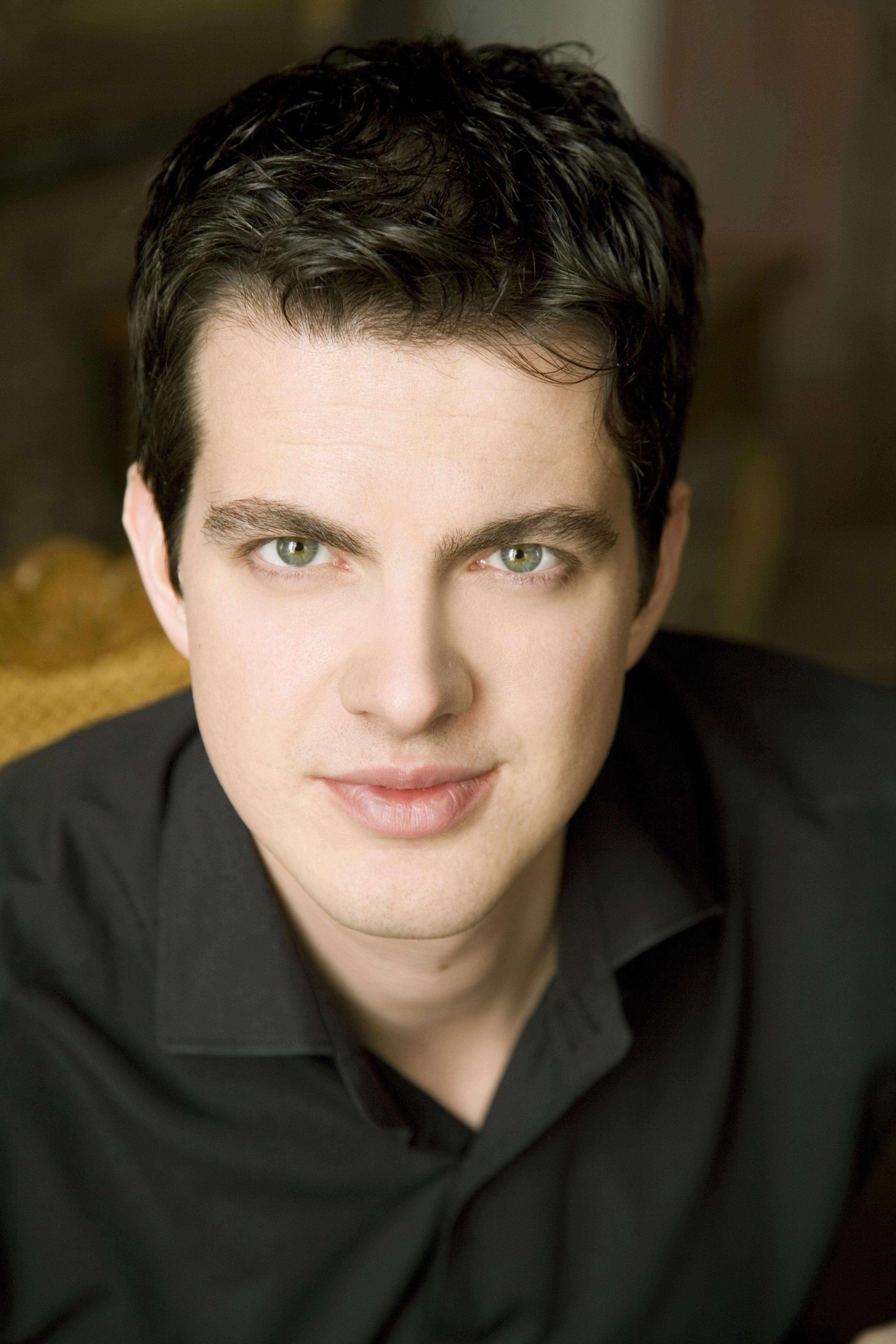
    Apollo's Fire, lead by harpsichordist Jeannette Sorrell, performed in Berkeley yesterday afternoon as part of a North American tour with countertenor Philippe Jaroussky (pictured left). The Cleveland-based early music ensemble is aptly named, and the musicians certainly do play with fiery passion under Sorrell's direction. The intonation was imperfect, but it was heartening to hear how much energy was brought to the music. The program began with Vivaldi's Allegro from the Concerto Grosso in D major, arranged here by Sorrell. The ensemble went right into Händel's "Agitato da fiere tempeste" from Oreste as Jaroussky walked onto the stage. This was followed by "Ho perso il caro ben" from Il Parnasso in Festa, also by Händel. Jaroussky's voice is otherworldly, being very flexible and having such an ease to it. The violin concerto (Vivaldi's Op. 8, No. 5) interspersed between the first two Händel arias and the second two was rather more strained. One was struck by how violent the attacks were in this piece. The following arias were from Imeneo and Ariodante. Jaroussky sang both "Se potessero i sospir miei" and "Con l'ali di constanza" seamlessly. His breath control is astounding, and it is odd indeed that such an ethereal, gorgeous sound is produced by a rather awkward, skinny fellow.

    The second half of the concert started with Händel's Prelude in A major, for solo harpsichord and his Chaconne from Terpsichore (Il pastor fido). This was followed by three Vivaldi arias: "Se mai senti spirati sul volto" from Catone in Utica, "Vedrò con mio diletto" from Giustino, and "Frà le procelle" from Tito Manlio. Vivaldi's Concerto Grosso "La Follia" gave Jaroussky a break between the first and second arias, and also showed off the ensemble's playing to best effect. Jaroussky sang the Vivaldi splendidly. The three encores were an aria by Porpora, "Venti, turbini" from Händel's Rinaldo, and "Ombra mai fu" from Händel's Serse.

    * Tattling * 
    The audience was, for the most part, quiet and attentive. Unfortunately, someone's watch alarm rang many times during two of the Vivaldi arias, and a cellular phone rang as well.

    Leave a comment

  • Sfopera-xerxes-acti* Notes * 
    Händel’s Serse (Act I pictured left, photograph by Cory Weaver) opens this afternoon at San Francisco Opera, and I for one am quite sad not to attend. Instead I offer you a preview, based on attendance of rehearsals. Nicholas Hytner’s production, directed here by Michael Walling, originates from English National Opera and was last seen at Houston Grand Opera. The palette employed for the set is pleasingly spring-like, with much white and green. The supernumeraries are white and are wearing bald caps. The chorus is painted grey, and seem to look quite like statues.

    Patrick Summers, last seen on the San Francisco Opera podium for Heart of a Soldier, conducts these performances. The cast includes many fine singers, including David Daniels (Arsamene), Lisette Oropesa (Romilda), and most of all, Susan Graham in the title role. The supporting cast is also promising. Heidi Stober was very funny as Atalanta in Houston, as was Sonia Prina (Amastre), and they reprise these roles in San Francisco. Both Wayne Tigges (Ariodate) and Michael Sumuel (Elviro) made their San Francisco Opera debuts in Heart of a Soldier earlier this season. One may have heard Tigges as Donner in Los Angeles Opera‘s recent Ring cycle. Sumuel sure to be winsome in his comic role.

    Leave a comment

  • A--San-Francisco-Opera-Orchestra* Notes * 
    Cal Performances presented Nicola Luisotti and the San Francisco Opera Orchestra (pictured left, photograph by Cory Weaver) in a performance of Beethoven on Friday evening. The musicians began with Beethoven's Symphony No. 5. The oboe was especially fine in the Allegro con brio, and the brass were lovely in the Andante con molto. The strings were particularly restrained in the piano and pianissimo portions of the third movement. The second half of the program was devoted to Beethoven's Symphony No. 7. Again, the woodwinds played with characteristic beauty. The violas were rather unostentatious in the second movement. Though the playing overall was not perfectly clean, it was wonderful to see how much all the musicians loved the music and to witness how much joy Luisotti brought to both the pieces. One is dumbfounded when considering this orchestra is in the midst of Don Giovanni performances and will open Xerxes on Sunday, not to mention the Carmen that is also in rehearsal.

    * Tattling * 
    There was some light talking, but it was limited to only a few minutes. My companion's water bottle managed to roll down an aisle of the orchestra level during Beethoven 7.

    Leave a comment

  •   SFP-SimonKeenlyside-02* Notes * 
    San Francisco Performances' 2011-2012 recital series continued with baritone Simon Keenlyside (pictured left, photograph by Ben Ealovega) accompanied by pianist Malcolm Martineau last night. There were programs this time, and all the texts were provided. As it happened, the recital was so gripping that it was quite difficult to even look at the words. Keenlyside's diction is crystal clear, whether singing in German, English, or French. Likewise, Martineau's playing is very clean without being dry or boring. The evening began with 7 songs from Mahler. "Frühlingsmorgen" was funny and "Liebst du um Schönheit" quite beautiful. Keenlyside sounds very comfortable, but his movements are rather idiosyncratic, and he does not quite what to do with his hands, it seems. The Mahler was followed by the first set of George Butterworth's songs based on poems from A Shropshire Lad. Keenlyside introduced the songs by asking us not to write them off as "English pastoral frippery," noting Housman's poems deal with mortality and became popular during the Second Boer War. The songs are rather dark, "Is my team ploughing?" is particularly distressing, and both singer and pianist pulled these songs off brilliantly.

    After the intermission we heard 6 songs from Richard Strauss. The words were all enunciated perfectly, and "Befreit" was especially transparent and lovely. The program ended with songs of Duparc and Debussy, of these, perhaps "Phidylé" was most impressive. The 4 encores were Schubert's "Der Einsame," Ireland's "Sea Fever," Grainger's "Sprig of Thyme," and Schubert's "An Mein Klavier." All were sung and played with the vibrancy and freshness that characterized the entire performance.

    * Tattling * 
    The audience was quiet and no electronic noise was apparent. At intermission a certain classical music critic pointed out that many of the panels that had lined Herbst's walls had been removed this season. I could only agree that the sound seems warmer and more focused.

    Leave a comment

  • Jay-hunter-morris-siegfriedJay Hunter Morris (pictured left in the title role of Siegfried at the Metropolitan Opera, photograph by Ken Howard) will replace Gary Lehman as Siegfried in the Metropolitan Opera's new Götterdämmerung, which opens January 27, 2012. Lehman has withdrawn due to a viral infection. Morris himself has withdrawn from performances of Moby Dick at San Diego Opera, and the role of Ahab will be sung by Ben Heppner.

    The Met's Press Releases | San Diego Opera's Press Releases

    Leave a comment

  • Gustavo-dudamel-lapa_low* Notes * 
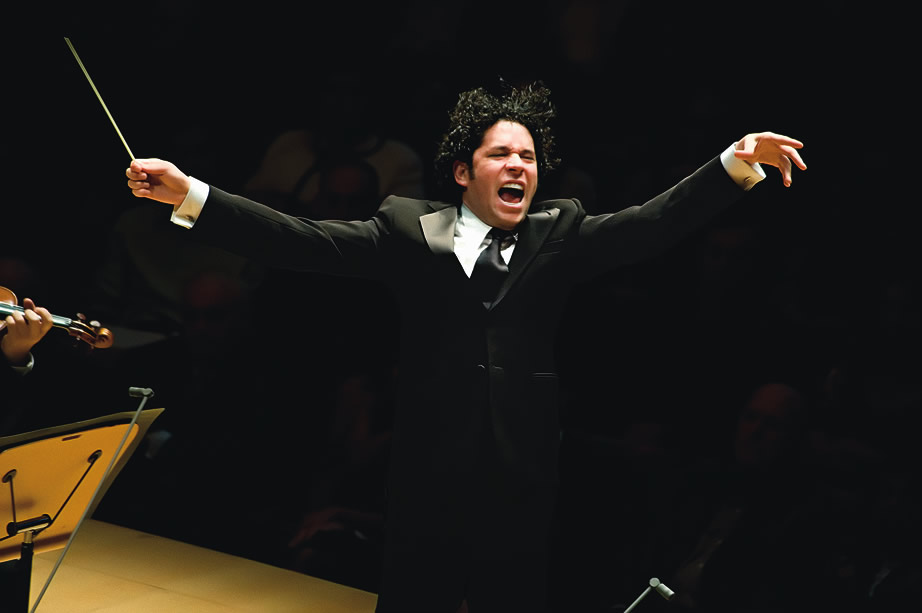
    Los Angeles Philharmonic and Gustavo Dudamel (pictured left, photograph courtesy of the Los Angeles Philharmonic Association) returned for a second performance at San Francisco Symphony on Monday night. This program also began with a fanfare from John Adams, this time the more meditative Tromba lontana. The playing was fine, though perhaps a bit more shimmer to the strings would have been nice. The second piece, Esteban Benzecry's Rituales Amerindios, was rife with literal representations of nature. Berlioz's Symphonie fantastique rounded out the evening. The woodwinds sounded impressively demonic, particularly the clarinet. There were sharp contrasts of both dynamics and tempi, but somehow the piece lacked a certain tension. The encore was the Hungarian March from of Berlioz's La damnation de Faust, which was played with great vigor and volume.

    * Tattling * 
    The audience silent with the exception of the woman whispering in Row L Seat 3 on the Orchestra Level. There was a distinct smell of cannabis emanating from someone in center section of Row J after the intermission.

    Leave a comment

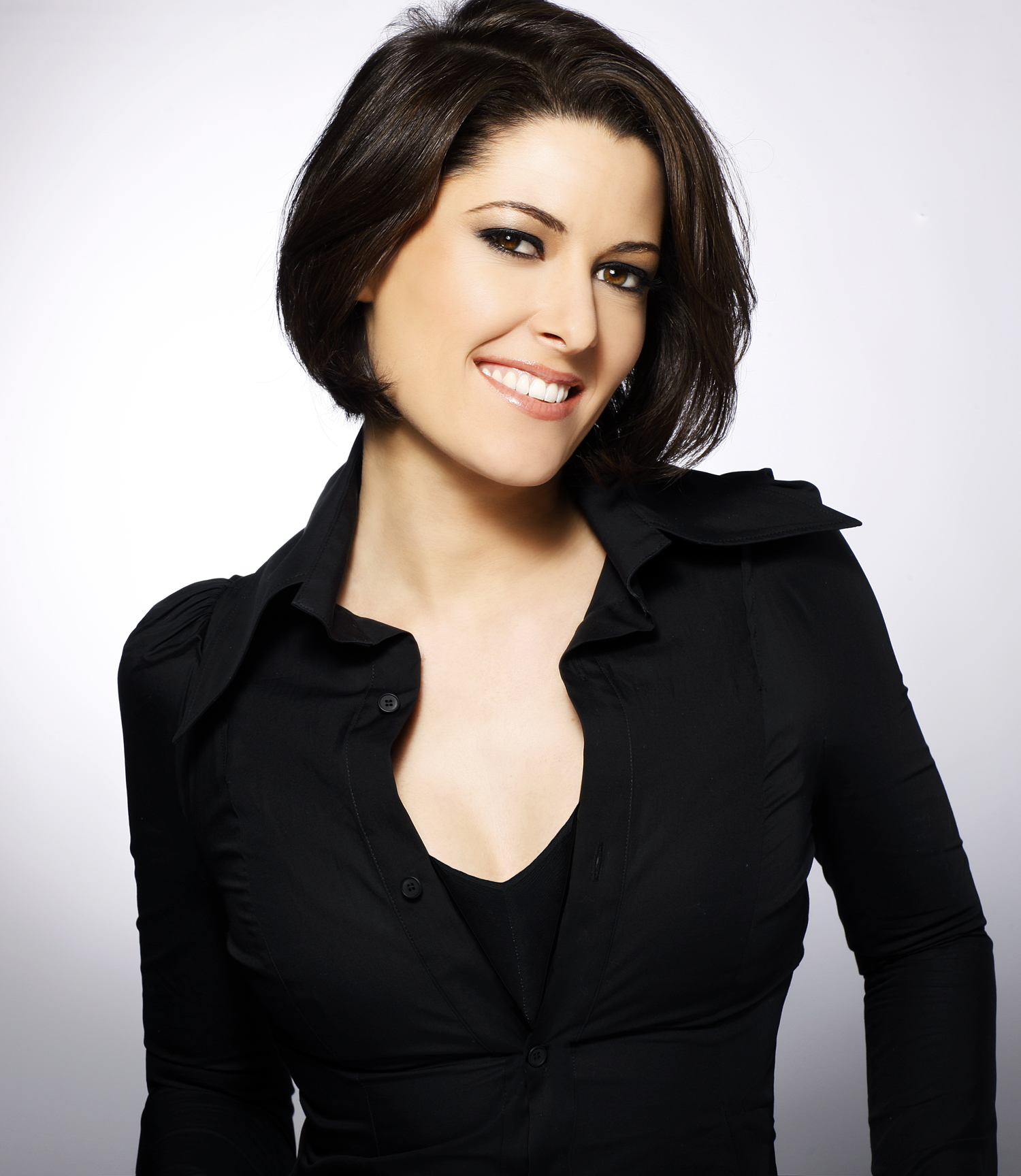
  • B--Kate-AldrichKendall Gladen and Anita Rachvelishvili will share the title role of Carmen with Kate Aldrich (pictured left), whose arrival is delayed by illness. Gladen sings November 6 and 9, Rachvelishvili sings from November 12 through 23, and Aldrich sings from November 26 through December 4.

    The role of Mercédès, originally scheduled to be sung by Adler Fellow Maya Lahyani, will now be performed by mezzo-soprano Cybele Gouveneur.

    Press Release | SF Opera’s Official Site

    Leave a comment