• Gustavo-dudamel* Notes * 
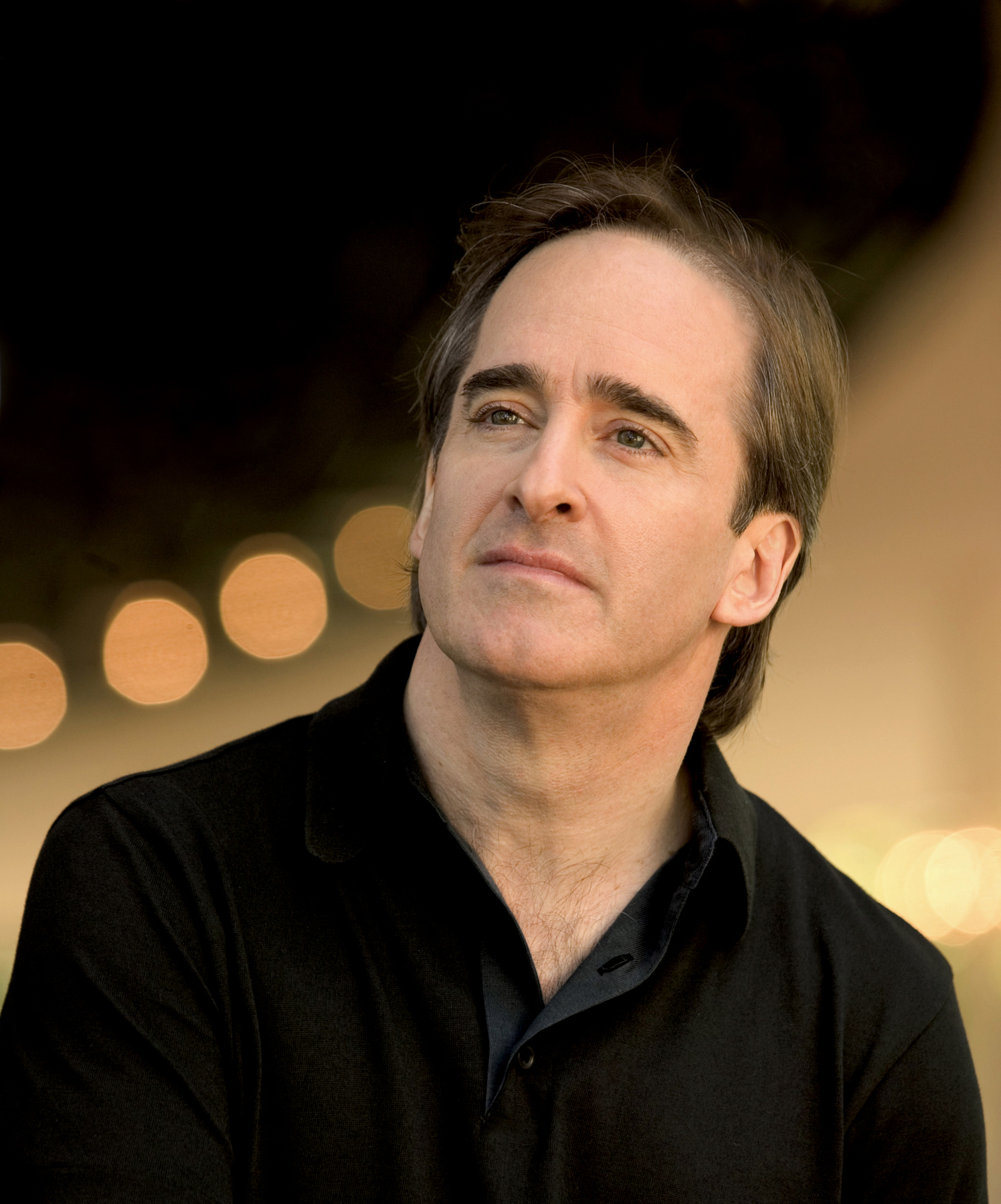
    Los Angeles Philharmonic, conducted by Gustavo Dudamel (pictured left, photograph by Mathias Bothor courtesy of Deutsche Grammophon), marked the first of six visiting American orchestras to take residency at San Francisco Symphony with Sunday’s performance. The program began with Short Ride in a Fast Machine from John Adams. The piece does not pull punches, and the playing was clean if not slightly brash. Enrico Chapela’s amusing MAGNETAR, Concerto for Electric Cello and Orchestra followed. The soloist, Johannes Moser, gave a credible performance. The employment of gesture, the mimicry of speech, and the heavy metal sensibility of the work were all quite entertaining, but one is not certain it all held together coherently. The last piece on the program was Prokofiev’s Fifth. The brass was clear and bright. The tempi distinctions were subtle, and the slower movements were somewhat lax, but the faster movements were more vibrant. The encore was the opening of the Gavotta: Non troppo allegro of Prokofiev’s Classical Symphony, which was played with a lovely sense of motion.

    * Tattling * 
    The audience whispered a little, but was, for the most part, silent. The beginning of MAGNETAR elicited restless laughter. Both Adams and Chapela were present, and were applauded with vigor. Someone’s cellular phone vibrated in Section D of the 1st Tier during the second movement of the Prokofiev.

    Leave a comment

  • NicolePaiementRogerSteenBW* Notes *
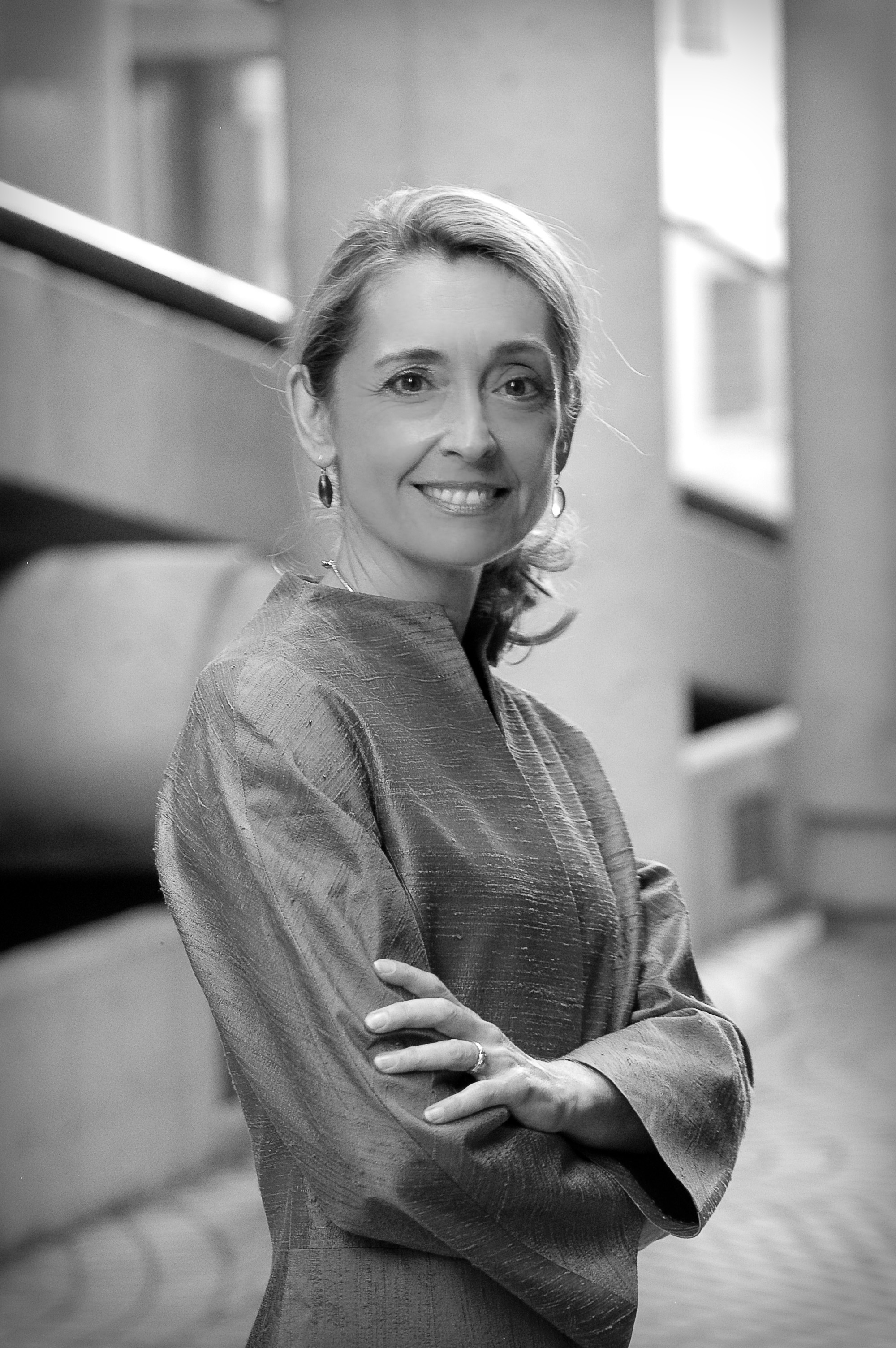
    The tenth season of the BluePrint project opened yesterday evening at the San Francisco Conservatory of Music. The concert started with John Harbison‘s North and South, with mezzo-soprano Julienne Walker. The New Music Ensemble sounded clear and together under the expert direction of Maestra Nicole Paiement (pictured left, photograph by Roger Steen). Walker’s voice is steely but flexible. The songs are jazzy and accessible. This was followed by Kurt Rohde‘s rather charming Concertino for Solo Violin and Small Ensemble (2010). The soloist, Axel Strauss, played nimbly with the ensemble. The piece is humorous, and the movements are all aptly named.

    Erwin Schulhoff‘s Concerto for Piano and Small Orchestra, Opus 43 was most impressive, especially the soloist, Keisuke Nakagoshi. The Allegro alla Jazz was played with vibrancy, and it was wonderful to hear how much fun everyone was having. The concert ended with an excerpt from Harbison’s The Great Gatsby, arranged for chamber orchestra by Jacques Desjardins. The singers, mezzo-soprano Erin Neff as Myrtle and baritone Bojan Knezevic as Wilson, are both strong performers with beautiful voices. The duet they sang was semi-staged in that Neff fell to the ground, which struck me as slightly strange. Knezevic’s accent was noticeable in words like “pretty” and “worrying,” but he and Neff were easy to understand without looking at the text provided in the program. There certainly is much to look forward to in Ensemble Parallèle’s production of the opera, which is scheduled for February 2012.

    * Tattling * 
    The audience was rather silent, only a few whispers and rustles were heard. During the ovation for the Rohde piece, I realized we had been seated next to the composer, and could not stop laughing over this. Two loud beeps were heard during the Alla marcia maestoso of the Schulhoff.

    Leave a comment

  • Sondra.Radvanovsky_-_Photo_by_Pavel_Antonov* Notes * 
    This week James Conlon conducts San Francisco Symphony in Verdi’s Requiem. Fabio Luisi was originally scheduled to take the podium, but took over most of James Levine’s fall engagements at the Met. Perhaps it is just as well, Maestro Conlon did a fine job with the work, the phrasing was lucid and taut. The pianissimi were especially beautiful. The chorus sounded robust.

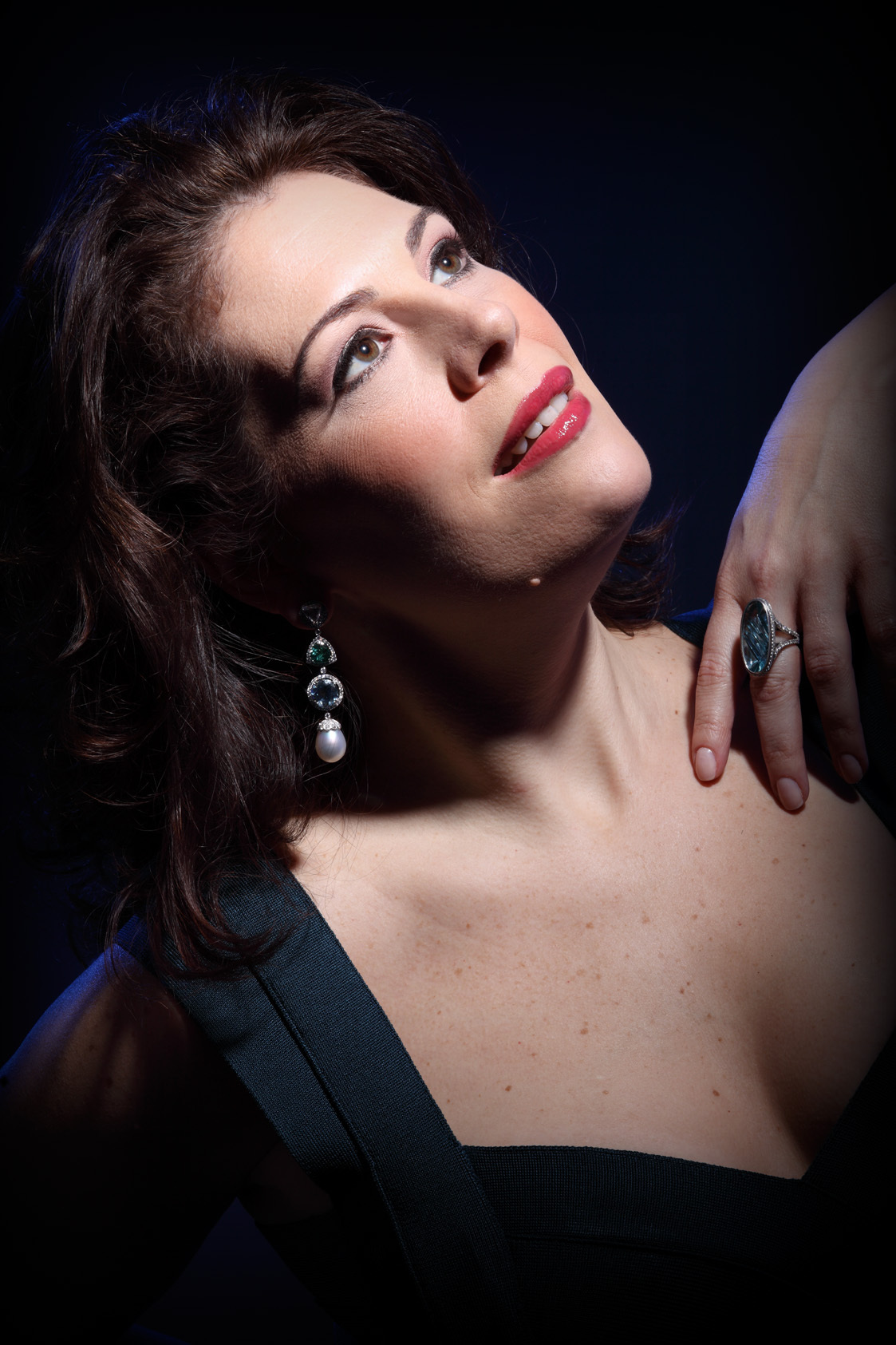
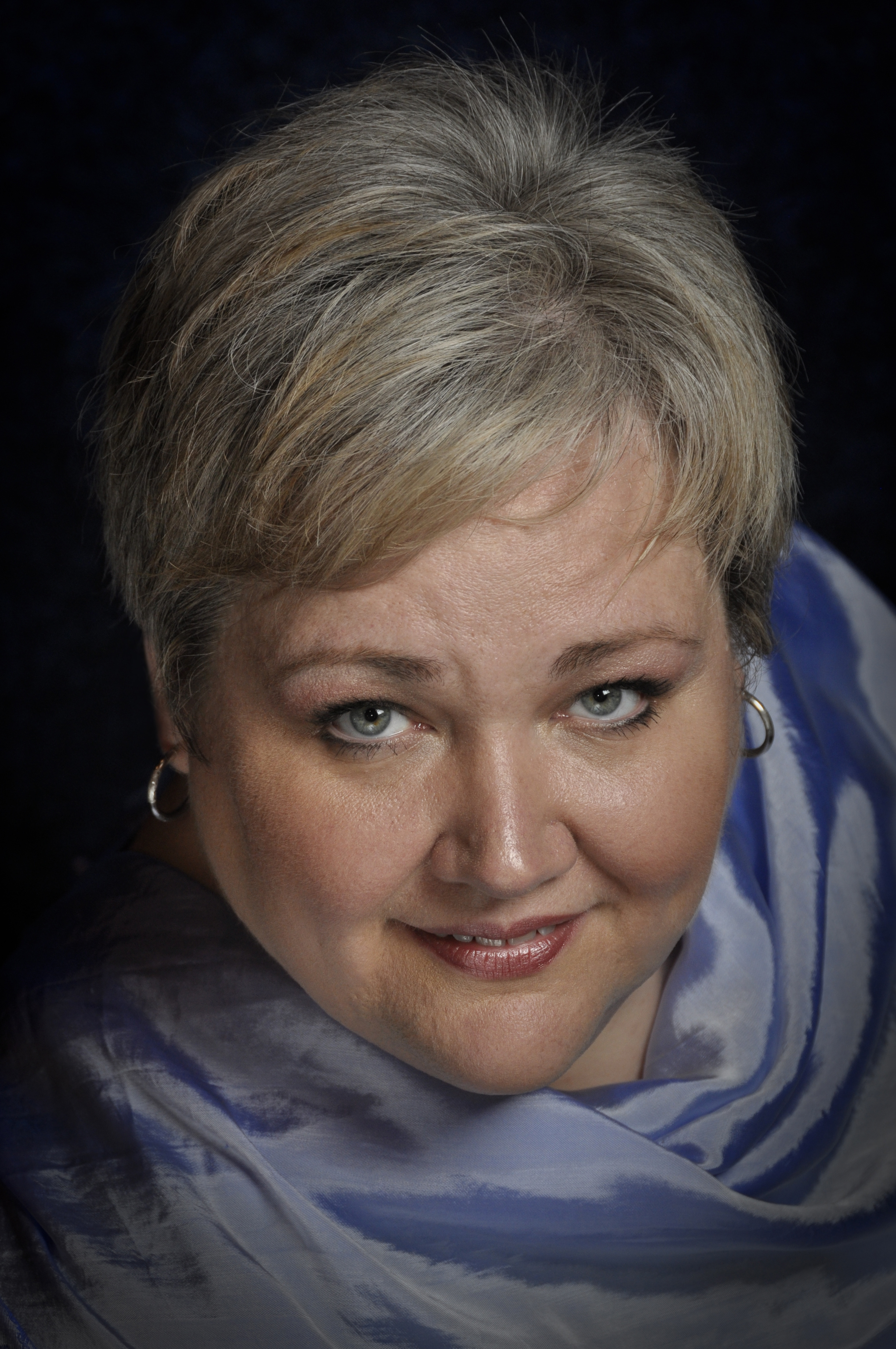
    As for soloists, tenor Frank Lopardo sounded a bit strange. He has a plaintive voice, but at times he seemed to hum rather than sing. In contrast, the bass, Ain Anger, sang with much less effort and much more confidence. Mezzo Dolora Zajick also gave a powerful performance, her full voice is never lacking in brilliance. Sondra Radvanovsky (pictured above, photograph by Pavel Antonov) however, was still the star of the evening. She never strained for the notes, her voice has a metallic brightness that does not get lost in the orchestration, but is never harsh.

    * Tattling * 
    There was a magnitude 3.8 earthquake at 8:16 pm, about 10 minutes into the performance on Thursday. A slight murmur was heard from the audience, but the singing and playing simply continued.

    Leave a comment

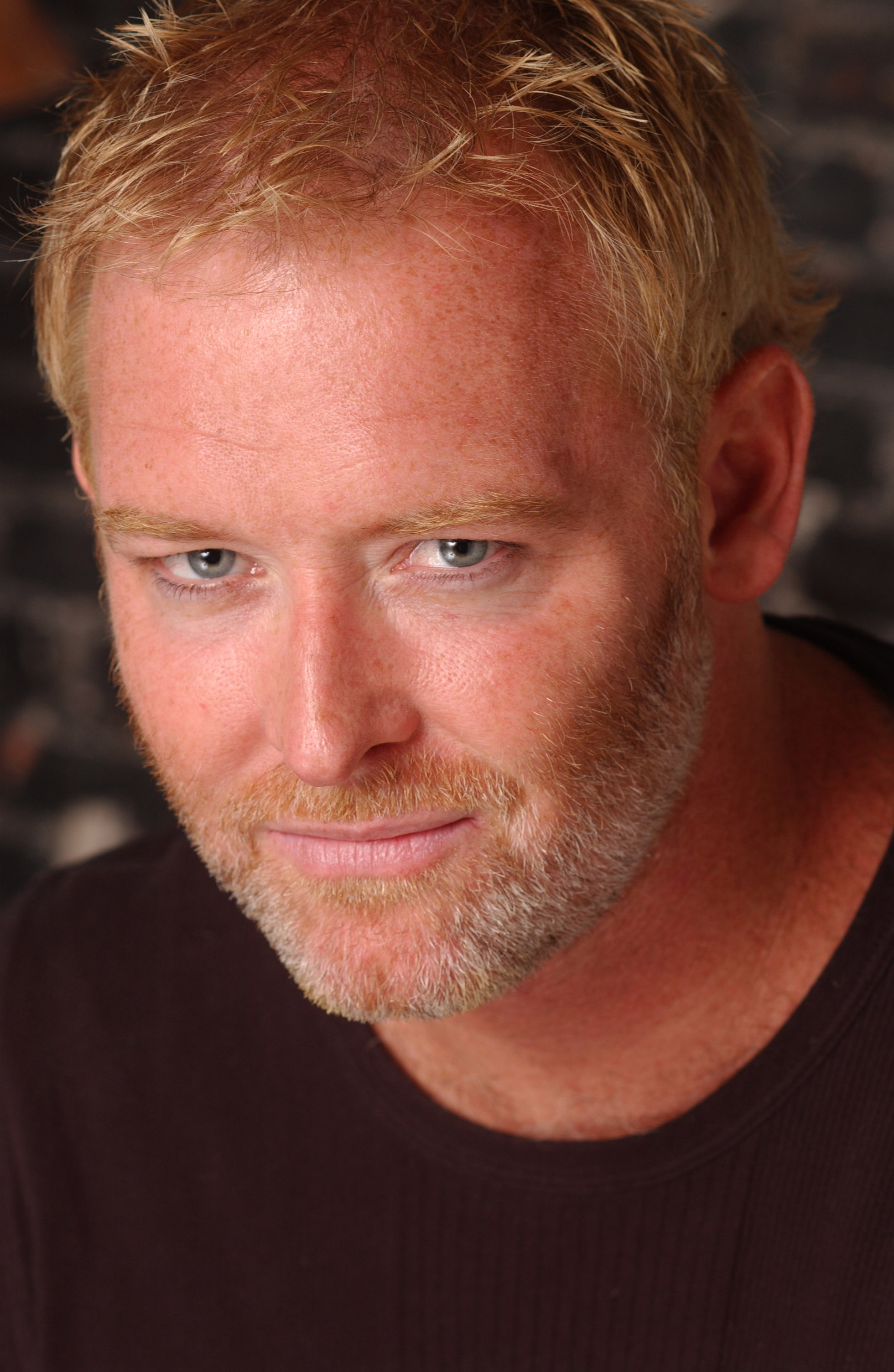
  • Jay_hunter_morris_photo__by_ron_rinaldi_Jay Hunter Morris (pictured left, photograph by Ron Rinaldi) will replace Gary Lehman in the title role of Metropolitan Opera’s new Siegfried, which opens October 27. Lehman has withdrawn due to illness.

    The Met’s Press Releases | The Met’s Official Site

    Leave a comment

  • Don-giovanni-act-iProduction Web Site | SF Opera's Blog

    Reviews of San Francisco Opera's Don Giovanni (Act I pictured left with Ryan Kuster as Masetto, Kate Lindsey as Zerlina, and members of the San Francisco Opera Chorus; photograph by Cory Weaver) are slowly trickling in.

    Performance Reviews: MusicalCriticism.com | Not For Fun Only | San Francisco Chronicle | San Francisco Classical Voice | San Francisco Examiner | San José Mercury News | SFist

    Leave a comment

  • Don-giovanni-sfopera-masks* Notes * 
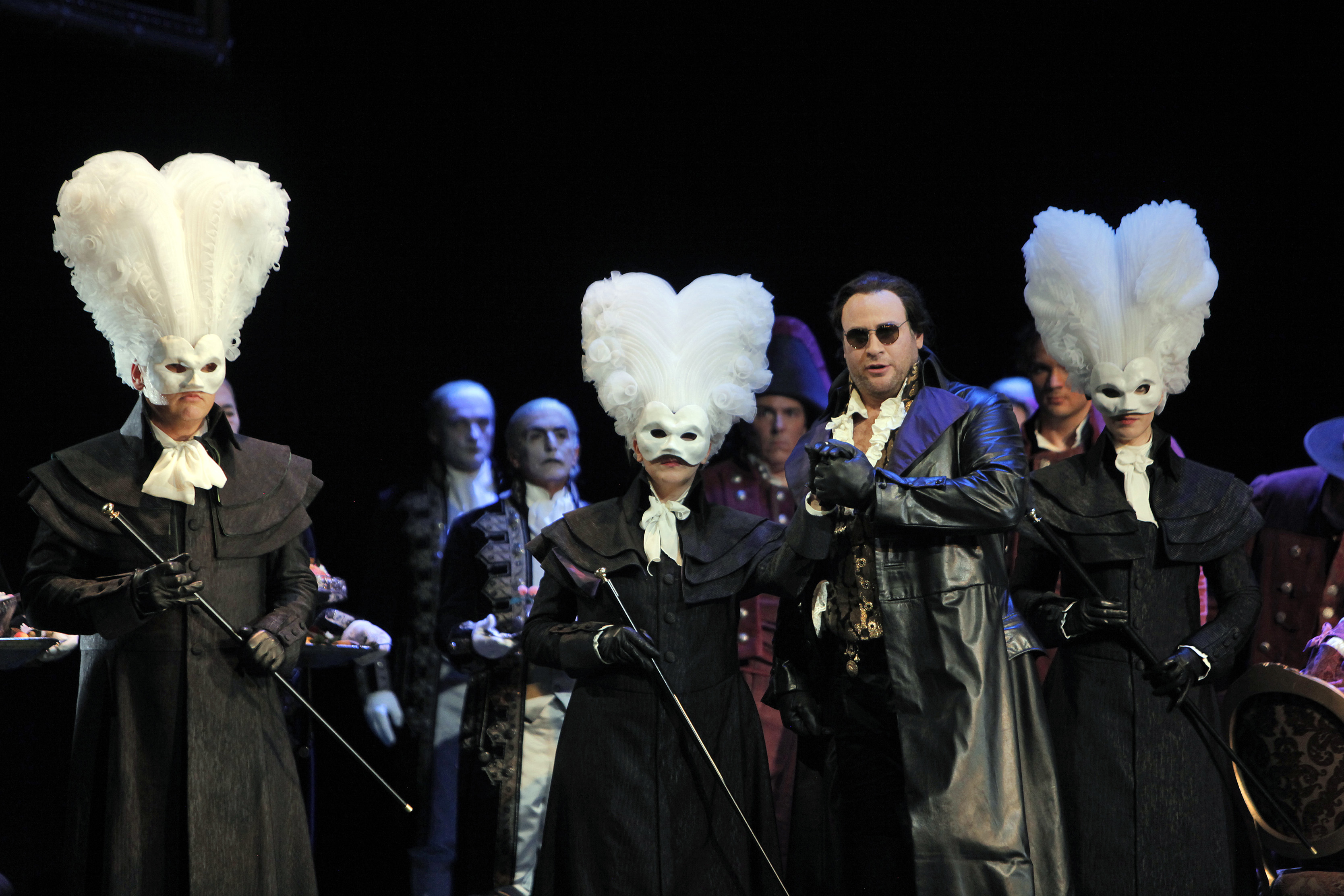
    The latest run of Don Giovanni opened last night at San Francisco Opera. The new production, directed by Gabriele Lavia, is fairly simple. Much of the singing takes place under the proscenium, which is great for hearing the arias, but not particularly dynamic. Half of the characters were able to find an impressive physicality in their roles, and others were rather static. Alessandro Camera’s set was straightforward, consisting of 22 mirrors on wires, dozens of Rococo side chairs, and what looked to be an artificial lawn. Andrea Viotti’s costumes had period silhouettes in a palette of burgundy, grey, and black. The masks for Donna Elvira, Donna Anna, and Don Ottavio (pictured above, photograph by Cory Weaver) were rather funny. As a whole, the stage direction was similarly absurd, Lavia did not pack in that many ideas, but he held onto them for the entire show.

    The orchestra sounded charming and exuberant under Nicola Luisotti. The musicians were not, however, always together. The violins might have gotten just a bit ahead in the overture, and there were definitely times when the orchestra was ahead of the singers. On the other hand, the playing was restrained enough to only rarely overwhelm the singing. The chorus sounded strong and together.

    Much of the singing was very nice indeed. Morris Robinson (The Commendatore) stayed truly as still as a statue for the graveyard scene, and his vocal entrance in Scene 18 of Act II was authoritative and terrifying. Ryan Kuster was a clownish Masetto, and his voice has a sweet, youthful warmth. Kate Lindsey moved beautifully as Zerlina, and her high mezzo had a brilliant clarity. Serena Farnocchia was strong as Donna Elvira, and acted rather well vocally, though she was less convincing in her movements. It was odd that the director had her plop down on her knees so often. Marco Vinco (Leperello) was sympathetic, he moves with ease and agility. His voice, though not beautiful, is serviceable enough for this role.

    In contrast, Shawn Mathey looked visibly uncomfortable as Don Ottavio, though understandably, given that he took over the role so recently. Mathey sounded on the verge of a panic attack in his first scene with Ellie Dehn (Donna Anna), but improved over the course of the performance. Dehn struggled in “Or sai chi l’onore.” This was not helped by the production, which belied the words of the aria by having the first scene be a tryst rather than an attempted rape. Dehn’s “Non mi dir” was less effortful and had more grace. Lucas Meachem’s Don Giovanni was a menacing sociopath. His sunglasses hid his gaze and this did not benefit his performance. It seems this is a role that Meachem still has to grow into, even though his voice is smooth and pretty, he did seem stiff. Perhaps he was just constrained by the stage direction. He did race through “Fin ch’han dal vino” at an incredible speed. However, his “Deh vieni alla finestra” was tender and lovely.

    The epilogue has been cut from these performances, a choice of the Maestro and director. While dramatically, it makes sense end with the Don descending into Hell, musically, I for one missed “Questo è il fin.”

    * Tattling * 
    There was some whispering during the music in Orchestra Standing Room, mostly from latecomers who were not seated until the intermission. People were confused by a roped off section of the railing, apparently not knowing this means this location is not an appropriate place to stand. At intermission some very nice subscribers who were leaving early gave us their tickets on the Center Aisle.
    Leave a comment

  • Conlon-credit-ravinia-festival* Notes * 
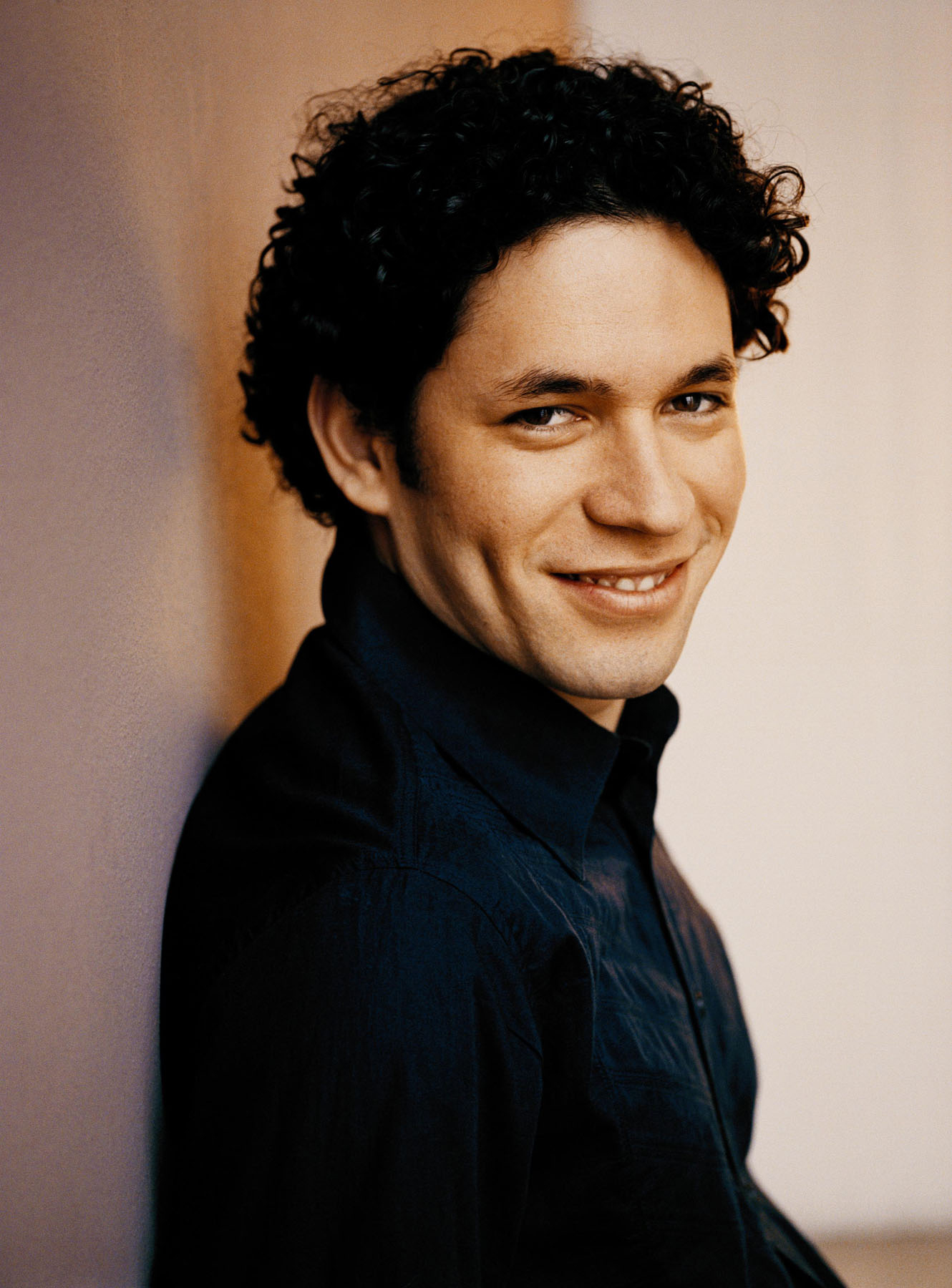
    This weekend James Conlon (pictured left, photograph courtesy of the Ravinia Festival) conducts San Francisco Symphony in Shostokovich's Symphony No. 14 and the Ravel orchestration of Mussorgsky's Pictures at an Exhibition. Before the soprano and baritone took the stage on Friday evening, Conlon spoke about the two pieces in turn, noting that the Shostakovich had never been played at SF Symphony before. The 11 songs that comprise the work are poems set to music, the original texts translated into Russian, with the exception of Kücherbecker's "O Delvig, Delvig," written in that language already. Sergei Leiferkus sounded mournful and gritty, which was quite effective for "De profundis" and "In Santé Prison." Olga Guryakova has a flexible, piercing voice that has a darkness to it. She was alluring in the "Lorelei" and was appropriately disturbing in "Keeping Watch." The concluding duet was beautifully played and sung. The piece calls only 19 string players and a percussion section of 8 instruments, so singers and orchestra were rather exposed. The 3 cellists were especially wonderful, and the 2 bassists were not far behind.

    Pictures at an Exhibition seemed a welcome change in mood for most in attendance. The first trumpet played with strength and clarity. There might have been a missed cue in the percussion near the end. Conlon let the work breathe, never pushing the orchestra to race along. There were moments of stateliness and grace, but also ones of joy and playfulness.

    * Tattling * 
    The subscribers in K 11 and 13 of the orchestra were aggressive about moving over to K 5 and 7. The woman who took seat K 5 spoke loudly enough during the music to annoy the people in front of her, but she did not seem to notice the many glares she received. At least she slept silently for much of the Shostakovich.

    Some distinctly high pitched noises from a hearing aid were heard throughout the performance.

    Leave a comment

  • SFP-Stephanie-Blythe * Notes * 
    San Francisco Performances featured mezzo-soprano Stephanie Blythe (pictured left, photograph by Kobie van Rensburg) in a charming recital last night. Somehow the programs for the performance went missing, and we were given photocopies of the most relevant pages. As it turned out, Blythe had not provided the texts in program, and she explained it was because she loved words and worked hard to be understood. She also joked about appreciated seeing people’s faces as she sang, rather than the tops of their heads. Blythe and her accompanist Warren Jones read the 12 poems of Emily Dickinson that James Legg set to music, and later read the 3 James Joyce poems used in the Samuel Barber songs that followed. Though I enjoyed the directness of this approach, it seemed unnecessary, as they communicated the content through the music with great clarity. Blythe has excellent diction and a broad emotional range. She does have a great deal of volume at her disposal. Barber’s “Sleep Now” was impressively stirring and painful.

    The second half of the show was entitled “Songs from Tin Pan Alley” and included Jones playing a few rags by Joplin. Blythe was disarmingly funny, she and Jones hammed it up just enough, and it all seemed natural. Creamer and Layton’s “After You’ve Gone” was especially amusing, as was Berlin’s “I Love a Piano.” Blythe sang Berlin’s “What’ll I Do?” with gravity, but without sounding operatic. I believe the encores were another Joplin rag (played by Jones), “How can I keep from singing?” (sung a cappella by Blythe), and “Beautiful Dreamer” (sung by Blythe and accompanied by Jones).

    * Tattling * 
    The audience was silent and attentive. More than one known Wagner fanatic was noted among the attendees.

    Leave a comment

  • Daniel Barenboim has been named Music Director of La Scala, effective December 1, 2011. His contract is for 5 years. Barenboim is already the General Music Director of Staatsoper Unter den Linden.

    Reuters | Official Site

    Leave a comment

  • Andreas-scholl-credit-james-mcmillan-and-decca* Notes * 
    The English Concert,
    lead by Harry Bicket, played at Walt Disney Concert Hall last night as part of a tour that goes on to Chicago, Boston, Toronto, and New York. The program consisted of entirely Baroque music and started with Heinrich Ignaz Franz Biber's Sonata No. 6 for trumpet, strings, and continuo. The trumpet soloist was Mark Bennett, who played the difficult instrument fairly accurately. The ensemble plays with emphatic (and undoubtedly informed) historicity. In any case, there was very little legato. The violist had a few harsh notes, but this was more textural than it was annoying.

    After the Biber came several pieces by Henry Purcell. Countertenor Andreas Scholl (pictured above, photograph by James McMillan courtesy of Decca) sang "Sweeter than roses," "Music for a while," and "An evening hymn." The acoustic of Frank Gehry's building is much more flattering to Scholl's voice than Herbst Theatre or Zellerbach Hall. The overall effect was that of warmth and effortlessness. The ensemble went on to play scenes from Purcell's King Arthur, out of order, it seems, starting with the Chaccone. Scholl sang "O solitude, my sweetest choice," "What power art thou," and "Fairest isle." The percussiveness of "What power art thou" was striking.

    Following the intermission, The English Concert played Georg Muffat's Passacaglia from Sonata V. The program returned to Purcell, with scenes from The Fairy Queen. This was interspersed with Scholl singing "One charming night" (from Act II of the aforementioned opera), the song "If music be the food of love," and "When I am laid in earth" (from Dido and Aeneas). The encore was "Music for a while."

    * Tattling * 
    The audience was the most attentive I have observed in any of the Music Center venues. There was some quiet whispering, but never when Scholl was singing. Scholl himself stopped his first piece for the latecomers getting in their seats. He was very good-natured about waiting.

    A watch alarm sounded at 10pm, during the encore.

    Leave a comment